English
한국어
English
Español
中文
हिंदी
Home
News
Community
Dictionary
English
한국어
English
Español
中文
हिंदी
View list
hairy dandelion
Taraxacum mongolicum
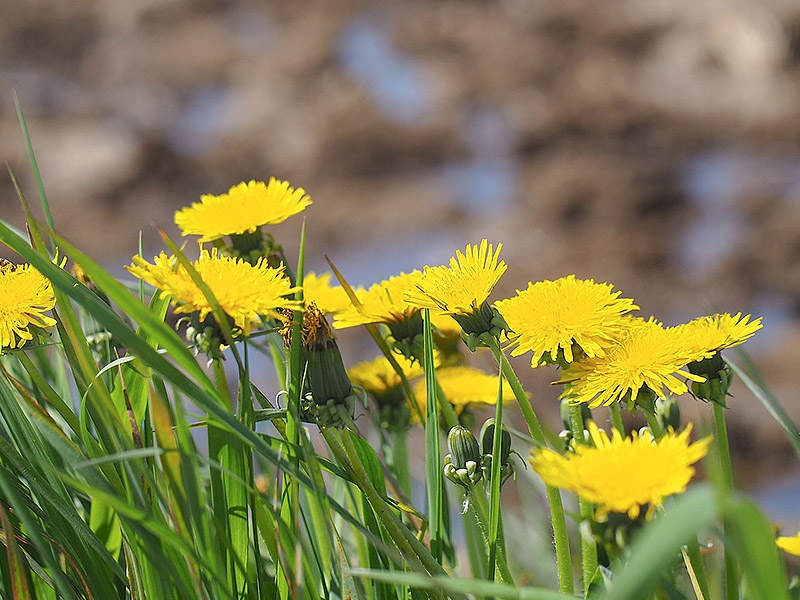
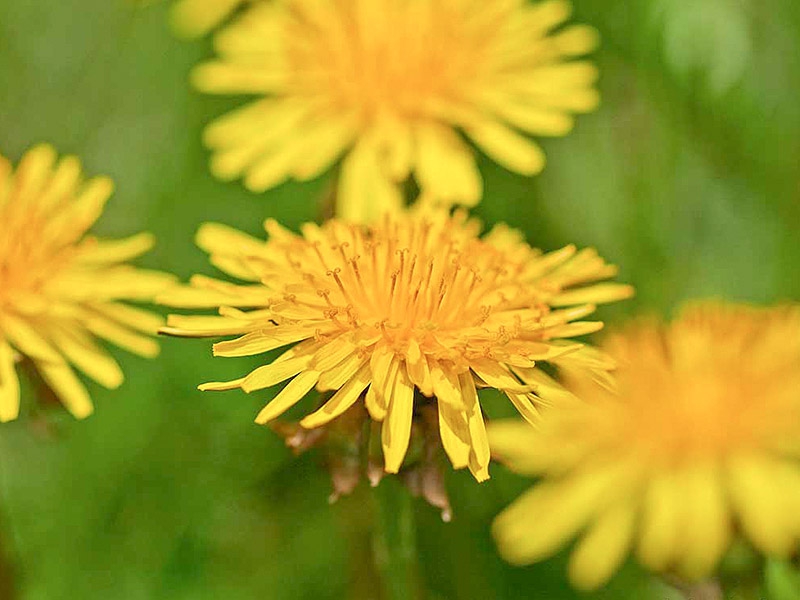
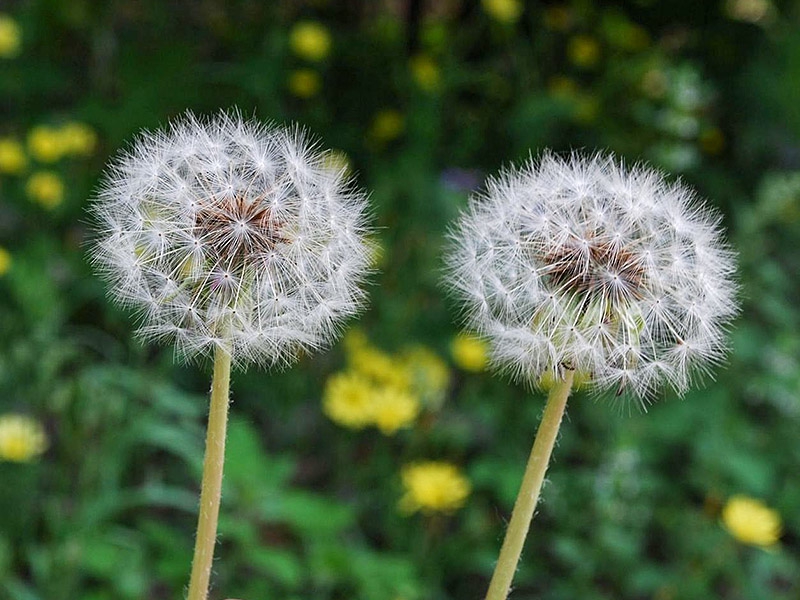
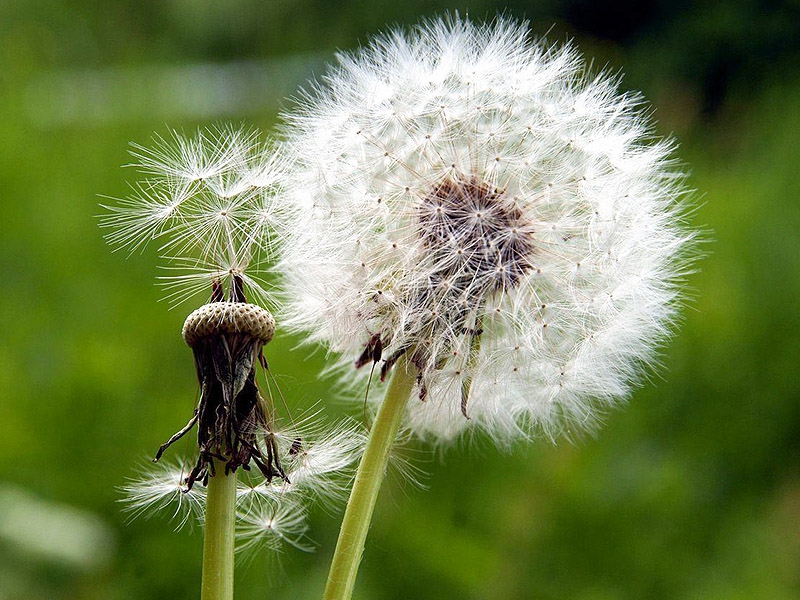
The hairy dandelion is a perennial herbaceous plant belonging to the Asteraceae family that blooms from spring to autumn. Its growth characteristics, propagation methods, cultivation methods, garden uses, and major pests and diseases, as well as control methods, are as follows: - Growth Characteristics: - The hairy dandelion thrives in sunny locations and prefers well-drained soil. - It generally grows to a height of 10–30 cm, with leaves growing in clumps from the roots and growing long. - The fruit consists of spores that can be easily dispersed by wind. - Propagation Methods: - It is primarily propagated by seeds, which are sown in spring or autumn. - Germination occurs within approximately 1–2 weeks after sowing, and the seedlings should be thinned out at appropriate intervals. - Cultivation Methods: - Select well-drained soil and water regularly. - Regularly provide fertilizer balanced with nitrogen, phosphorus, and potassium to promote healthy growth. - Regularly inspect the condition to remove weeds and prevent pests and diseases. - Use in the Garden: - Hairy dandelions are suitable for use as a substitute for lawn grass or for creating a natural garden atmosphere. - They attract bees and butterflies, which are important insects. - Major Pests and Control Methods: - Major pests include aphids and leaf beetles, which can inhibit growth by depriving plants of nutrients. - Control methods include the use of appropriate pesticides, physical pest removal (e.g., washing with water), and natural pest repellents (e.g., yeast soap solution). - Root rot is a common disease, which can be prevented by avoiding excessive moisture and improving drainage. With proper care and attention, hairy dandelions can grow healthily in gardens or fields.
Plant Type
Plant Family
Asteraceae
Height
6~15cm
Spread
Colors
yellow
Bloom Period
April~May
Water Needs
commonly
Exposure
Sunny
Freezing Resistance
-30°C
Western dandelion
Taraxacum officinale
small dandelion
Taraxacum hallaisanense