English
한국어
English
Español
中文
हिंदी
Home
News
Community
Dictionary
English
한국어
English
Español
中文
हिंदी
View list
[Unrelated text]
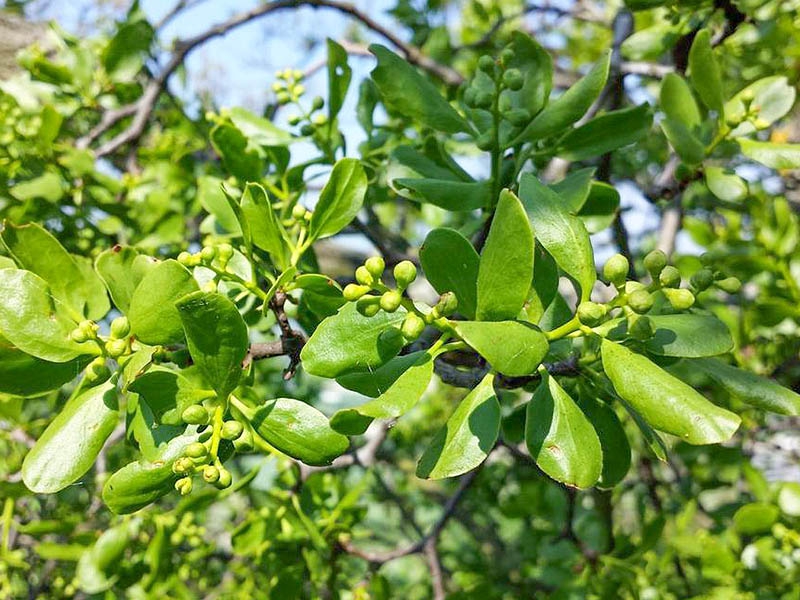
Taxillus chinensis
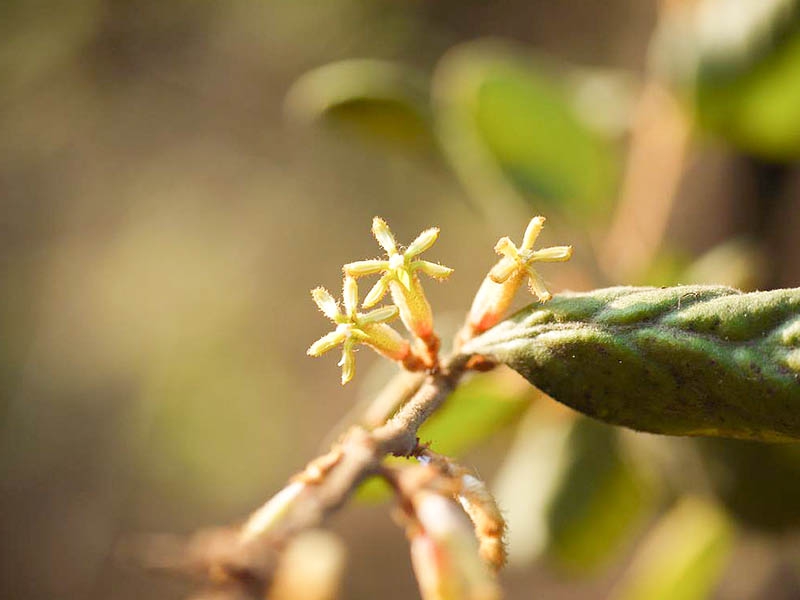
Regarding the growth characteristics of Taxillus chinensis, the following information can be provided: - Growth Characteristics: Taxillus chinensis is a semi-parasitic plant that grows primarily attached to tree branches. Its leaves are thick, glossy, and generally green. While it obtains some nutrients through photosynthesis, it grows by absorbing water and nutrients from its host plant. It thrives in warm climates and is more commonly found parasitizing small trees or shrubs than large trees. - Propagation Method: Propagation is primarily carried out by birds. Birds eat the fruit of the Taxillus and excrete it, causing the seeds to attach to tree branches. The seeds contain mucilage, allowing them to easily attach to the tree and begin to grow. - Cultivation Method: This plant is difficult to cultivate artificially. Since it grows primarily through natural reproduction, it is common practice to maintain its wild state rather than creating a specific environment for cultivation. 4. Use in Gardens: In gardens, it may be possible to create a natural environment that allows the Sang-i to grow naturally. However, caution is required as Sang-i is a parasitic plant and can harm other plants. - Major Pests and Control Methods: While Sang-i chinensis itself is relatively resistant to pests and diseases, it can be indirectly affected if the host plant suffers from them. Maintaining the health of the host plant is crucial for the growth of Sang-i. For control, pests and diseases on the host plant must be thoroughly managed, and fungicides or insecticides can be used to prevent infestations if necessary. Since Sang-i is a parasitic plant, it can threaten the growth of other plants; therefore, cultivation must be managed with the balance of the ecosystem in mind.
Plant Type
Plant Family
Mistletoe family
Height
50~100cm
Spread
Colors
yellow
Bloom Period
June to August
Water Needs
commonly
Exposure
Sunny
Freezing Resistance
-15°C
Red-seeded dandelion
Taraxacum laevigatum
Bald cypress
Taxodium distichum