English
한국어
English
Español
中文
हिंदी
Home
News
Community
Dictionary
English
한국어
English
Español
中文
हिंदी
View list
Snowbell
Aruncus dioicus
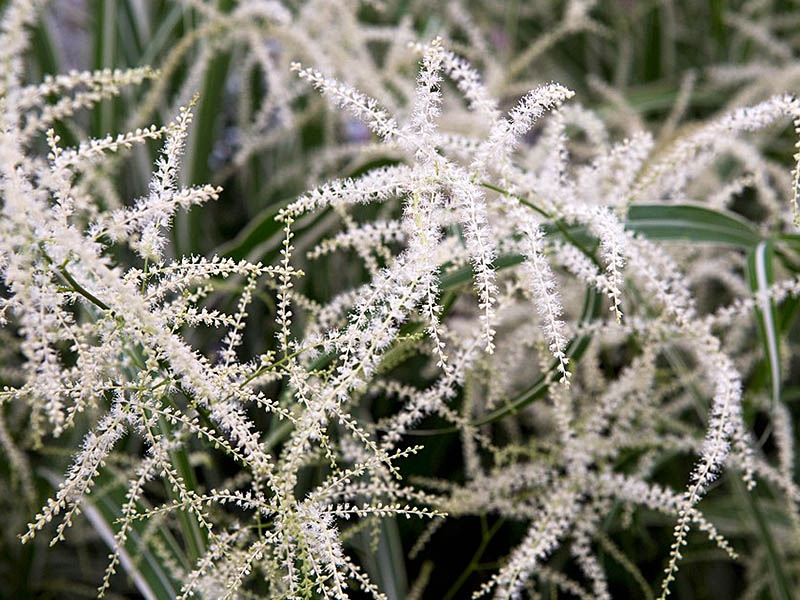
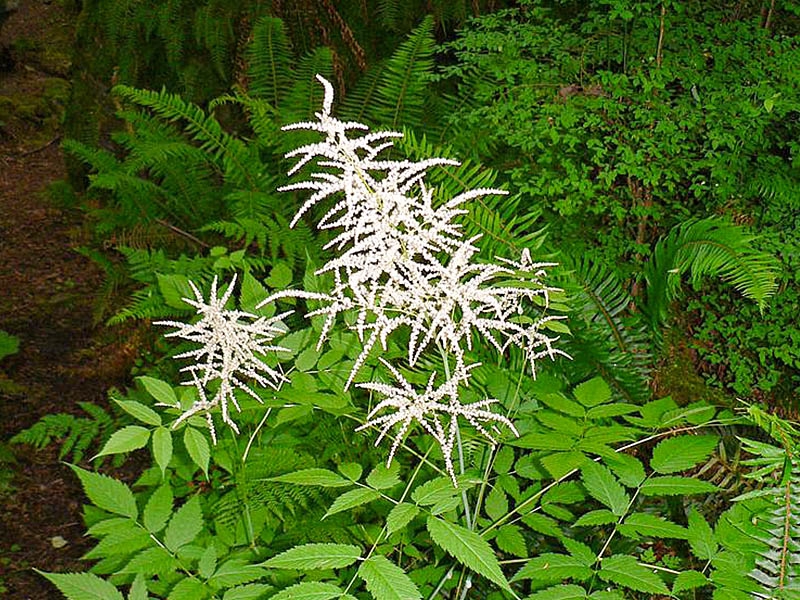
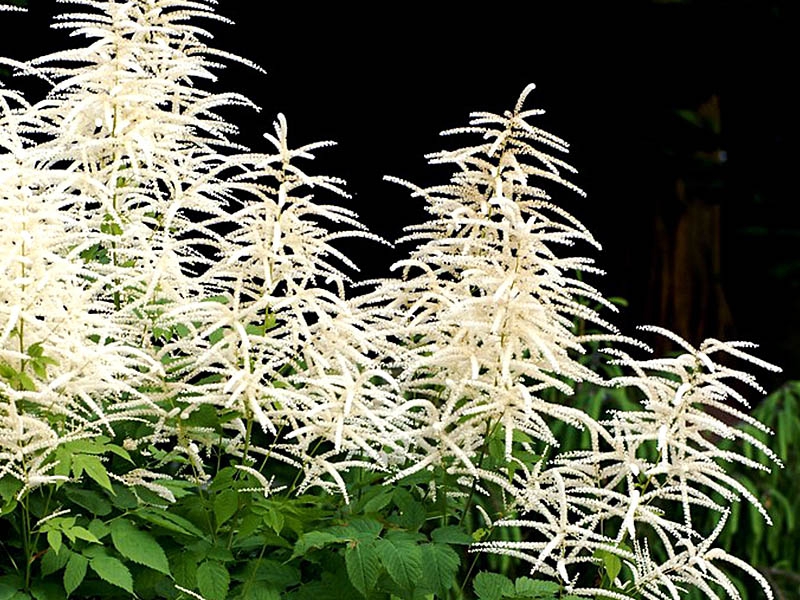
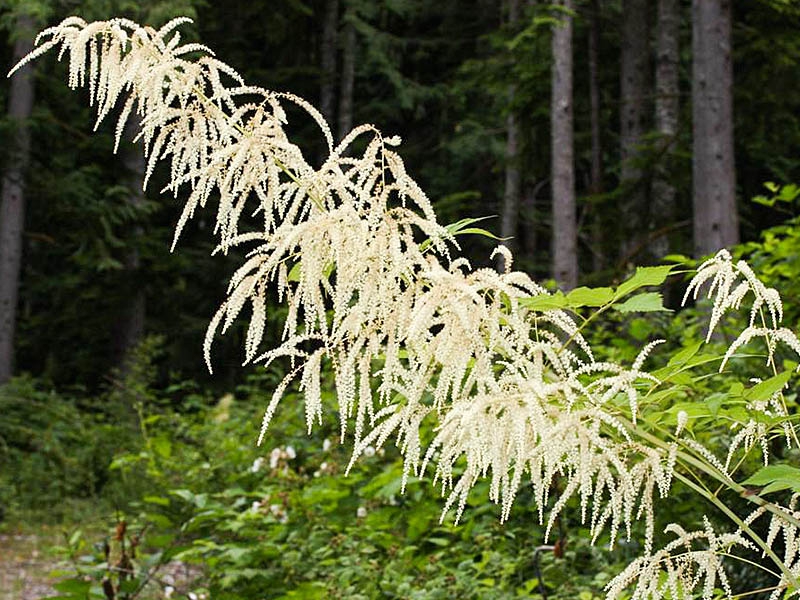
Growth Characteristics Aruncus dioicus is a perennial herbaceous plant belonging to the Rosaceae family. It thrives primarily at forest edges or in moist areas. It can grow up to 1.5 meters in height and features feathery leaves and white flowers. The flowering period is typically between June and July. Propagation Methods Aruncus dioicus is primarily propagated by seeds or root division. For seed propagation, mature seeds are collected in the autumn and sown immediately, or they are sown in the spring after cold stratification during the winter. Root division is best performed in the spring or autumn. Cultivation Methods Aruncus dioicus grows well in partial shade or full sun and requires well-drained soil. It prefers moisture, so water management is essential; sufficient moisture is particularly necessary during the early growing season. It is recommended to maintain soil fertility using organic fertilizers. Garden Use Korean snowbell is suitable for shaded or natural-style gardens, and provides a beautiful landscape, especially when planted in clusters. It is also well-suited for ecological gardens or wetland gardens. Important Pests and Control Methods Korean snowbell is a relatively resistant plant to pests and diseases; however, fungal diseases may occur if humidity is too high or ventilation is insufficient. The most common disease is powdery mildew; to prevent this, it is necessary to maintain good ventilation and, if necessary, control it appropriately using fungicides. Additionally, small insects such as aphids may appear as pests, requiring continuous management and control. Physical removal or the use of eco-friendly insecticides is effective.
Plant Type
Plant Family
Rosaceae
Height
1.2~1.8m
Spread
60~120cm
Colors
white
Bloom Period
June~July
Water Needs
commonly
Exposure
Sunny
Freezing Resistance
-30°C
Halla dogwood
Aruncus dioicus var. aethusifolius
Snowbell 'Misty Race'
Aruncus dioicus 'Misty Lace'