English
한국어
English
Español
中文
हिंदी
Home
News
Community
Dictionary
English
한국어
English
Español
中文
हिंदी
View list
Sasa borealis
Arundinaria munsuensis
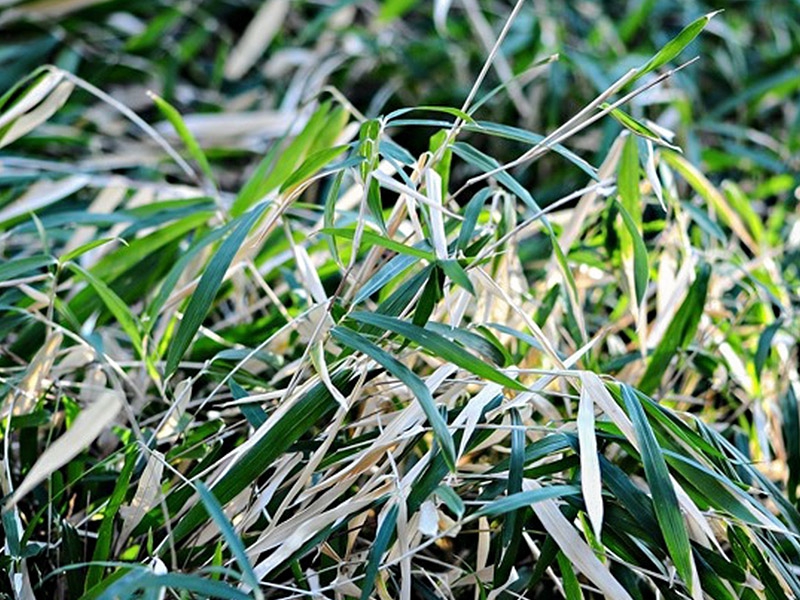
Arundinaria munsuensis, scientifically known as Arundinaria munsuensis, is a type of bamboo primarily distributed in Korea and East Asia. The plant's growth characteristics, propagation methods, cultivation methods, garden uses, and pest and disease control methods can be described as follows: Growth Characteristics - Environmental Conditions: Arundinaria munsuensis thrives in temperate climates and prefers locations with partial shade and ample sunlight. Well-drained sandy loam soil is suitable. - Growth Rate: It grows relatively quickly and can spread widely through root propagation. - Size: It generally grows to a height of 1 to 3 meters and forms dense colonies. Propagation Methods - Root Propagation: Arundinaria munsuensis primarily propagates through rhizomes. It is common practice to separate a portion of the rhizome and plant it in a new location. - Seed Propagation: Propagation by seeds is also possible, but it is rare in natural conditions and can be attempted in artificial environments. Cultivation Method - Planting: Dig a hole about 30 cm deep, plant the rhizome, and cover it well with soil. - Watering: Periodic watering is necessary during the initial growth period, but once grown, it tolerates relatively dry conditions well. - Fertilizer: It is recommended to supply organic fertilizer in the spring and autumn. Uses in the Garden - Boundary Planting: Sasa borealis is suitable as a boundary plant and is used to substitute for fences or to clearly define boundaries. - Ornamental Use: It can be planted as a background plant in the garden to create a natural atmosphere. Major Pests and Diseases & Control Methods - Diseases: Bamboo rust and powdery mildew may occur. Occurrence can be suppressed through proper ventilation. - Pests: Pests such as bamboo aphids and bamboo stink bugs can be a problem; control them using insecticides when necessary. - Prevention: Most pests and diseases can be prevented through regular inspections and maintaining a healthy growing environment. Sasa borealis is relatively easy to manage, but due to its vigorous growth, it is important to establish boundaries and manage it properly. When used in a garden, customized care is required depending on the environment.
Plant Type
Plant Family
Poaceae
Height
50~60cm
Spread
Colors
yellow
Bloom Period
June~July
Water Needs
commonly
Exposure
Sunny
Freezing Resistance
-20°C
Korean snowbell 'Kneip'
Aruncus dioicus 'Kneiffii'
hangover porridge
Arundinaria simonii