English
한국어
English
Español
中文
हिंदी
Home
News
Community
Dictionary
English
한국어
English
Español
中文
हिंदी
View list
Korean bellflower
Asarum sieboldii
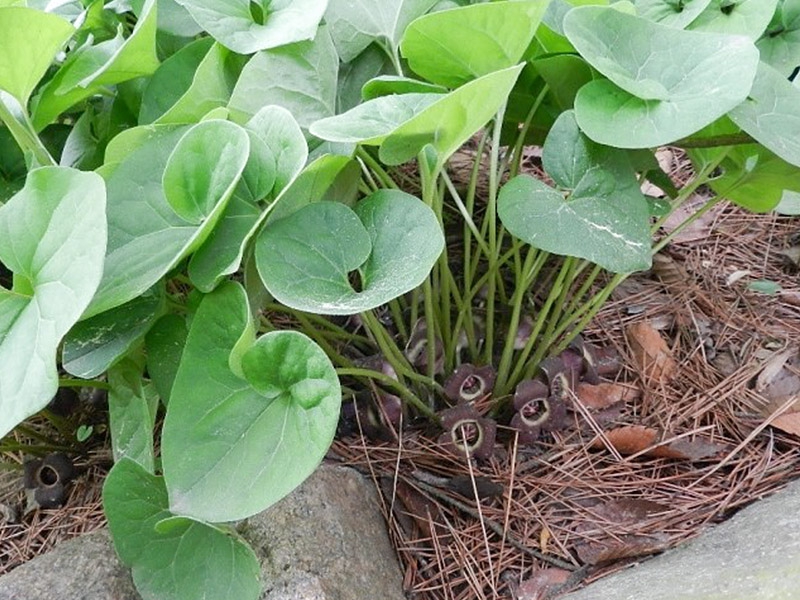
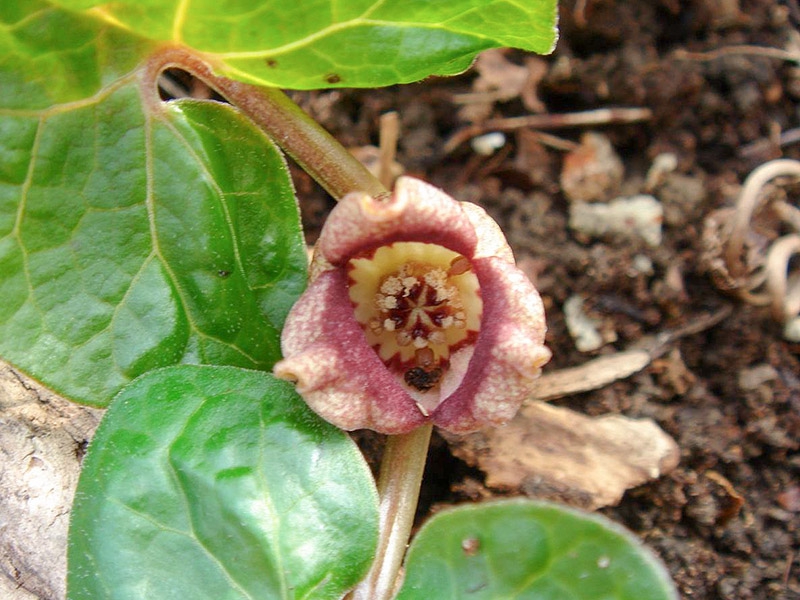
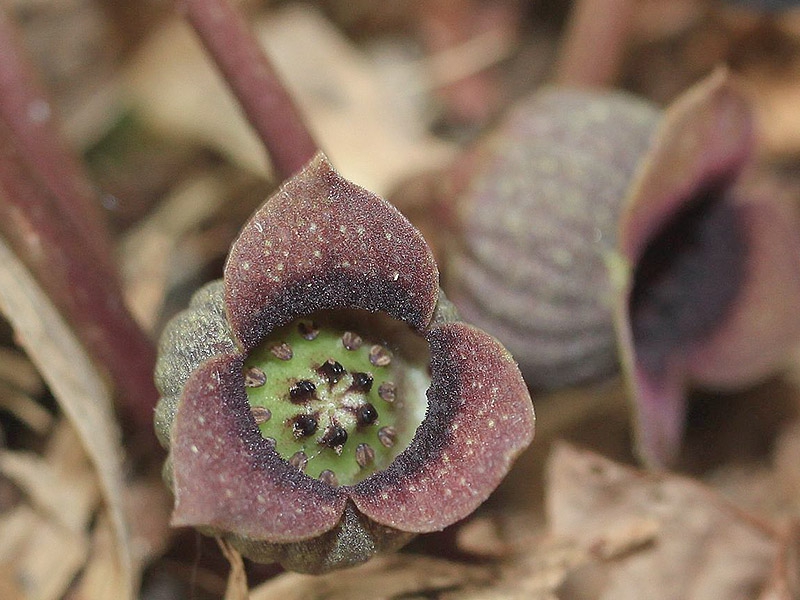
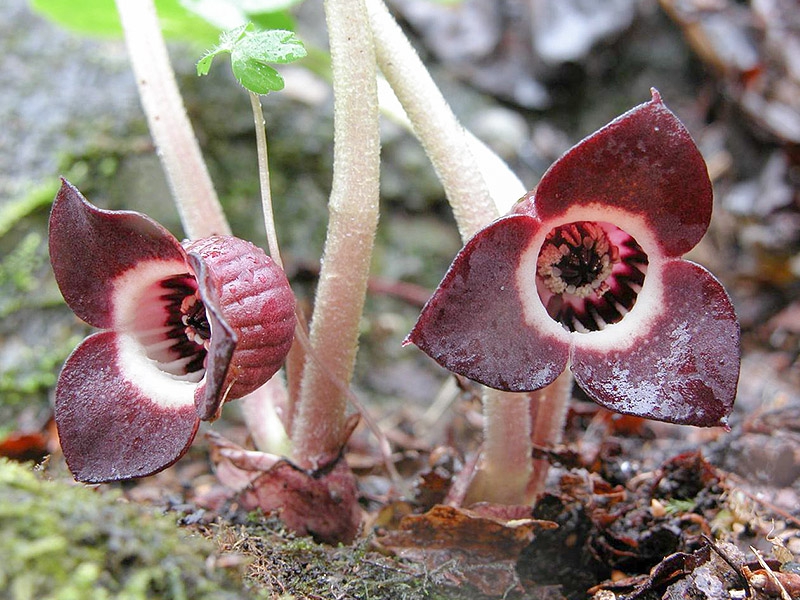
Asarum sieboldii is an evergreen perennial plant native to East Asia that thrives primarily in shady, moist forest areas. The following is information regarding the plant's growth characteristics, propagation methods, cultivation techniques, garden uses, and major pests and diseases, as well as control methods. Growth Characteristics - Leaves: Asarum has round, heart-shaped, dark green leaves. - Flowers: Small flowers bloom in the spring, often appearing brown or purple. - Roots: It possesses roots with a strong fragrance and has traditionally been used as a medicinal herb. - Environment: It grows well in moist, shady areas and prefers fertile soil. Propagation Methods - Seeds: It can be propagated by sowing seeds in the spring; using fresh seeds is recommended to increase the germination rate. Seeds germinate in a moist environment away from direct sunlight. - Root Division: Propagation is primarily carried out by dividing the roots of mature plants in the spring or autumn. This is a faster and more effective method of propagation. Cultivation Method - Location: Choose a shady location where moisture is retained. - Soil: It thrives in fertile soil and shows optimal growth in well-drained soil. - Care: After planting, provide sufficient water. Mulching is recommended to remove weeds and maintain soil moisture. Uses in Gardens - Ground Cover: It can be used as ground cover in shaded gardens or forest gardens. - Aesthetic Value: It is also suitable for ornamental purposes due to its unique leaf shape and color. Important Pests and Control Methods - Diseases: Although it is relatively resistant to disease, root rot may occur in overly wet environments. To prevent this, it must be grown in well-drained soil. - Pests: Pest damage is generally minimal, but leaf-eating insects may appear. Upon early detection, they can be removed by hand or treated with pesticides. - Control Methods: Prevent pests through proper ventilation and hygiene management, and use pesticides if necessary. Siberian sieboldiana is a relatively easy plant to care for if provided with a suitable environment. However, it is important to grow it healthily by recreating conditions similar to its natural state.
Plant Type
Plant Family
Aristolochia family
Height
30~60cm
Spread
Colors
amethyst
Bloom Period
April~May
Water Needs
commonly
Exposure
semi-shaded area
Freezing Resistance
-20°C
patterned water tank
Arundo donax var. versicolor
Korean dogwood
Asarum maculatum