English
한국어
English
Español
中文
हिंदी
Home
News
Community
Dictionary
English
한국어
English
Español
中文
हिंदी
View list
Asclepias Pasquicularis
Asclepias fascicularis
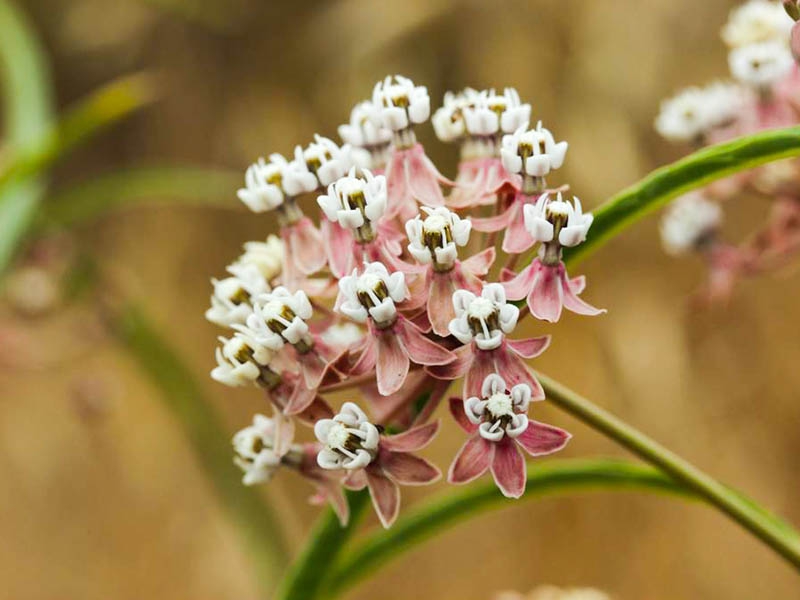
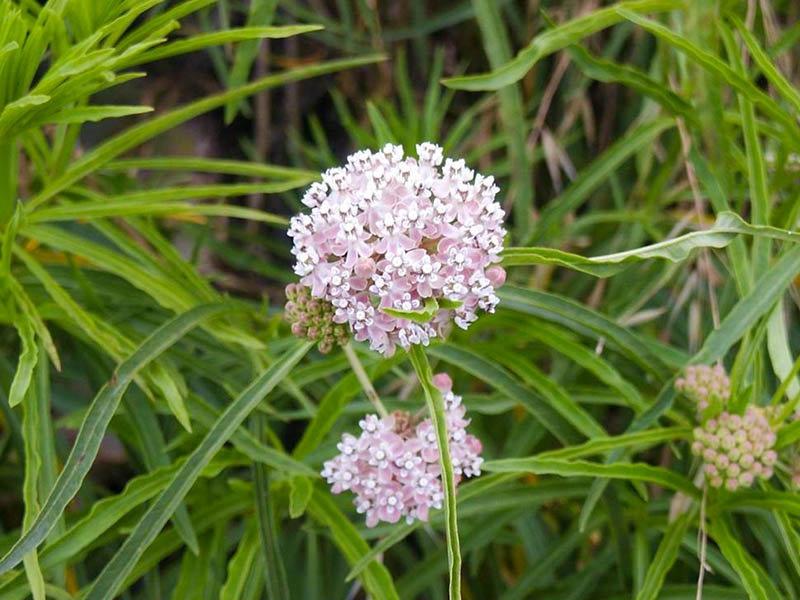
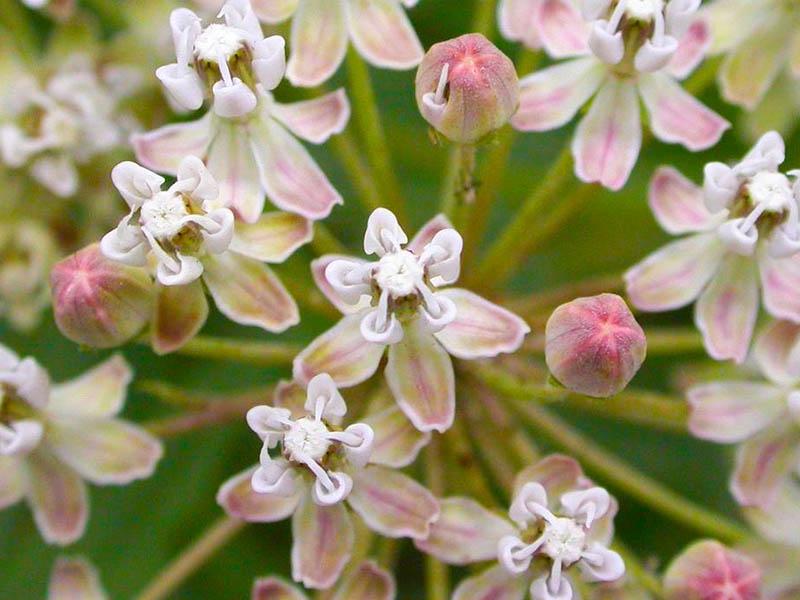
Asclepias fascicularis, commonly known as the narrow-leaved herbaceous plant, is a perennial herbaceous plant native to North America. The following describes the plant's growth characteristics, propagation methods, cultivation techniques, garden uses, major pests and diseases, and control methods. Growth Characteristics - Environmental Conditions: It thrives in sunny locations and prefers well-drained soil. It can survive in dry environments. - Height and Width: It typically grows to about 30–90 cm and spreads widely. - Leaves and Flowers: The leaves are narrow and long, and the flowers come in various colors such as white, pink, and purple. The flowering period is mainly from summer to early autumn. Propagation Methods - Seed Propagation: It can be easily propagated by seeds, which can be sown directly in the spring. To promote germination, it is recommended to store them at a cold temperature for a few weeks. - Root Propagation: Propagation by dividing the roots is also possible. This method is usually attempted in early spring or autumn. Cultivation Methods - Planting: Plant in well-drained soil. In dry regions, it is recommended to mulch around the roots to retain moisture. - Watering: Water moderately initially, but once the roots are established, the plant can be kept relatively dry. - Fertilizer: Generally, it does not require much fertilizer, but using liquid fertilizer occasionally during the growing season is recommended. Garden Uses - Biodiversity: Planting it alongside other wildflowers can attract a diverse range of organisms, contributing to increased biodiversity. - Aesthetics: Thanks to its unique flower shape and color, it serves as a decorative element in the garden. Important Pests and Control Methods - Diseases: It is generally resistant to diseases, but fungal issues may occur in environments with poor ventilation or high humidity. - Pests: Dragonfly and butterfly larvae may damage the leaves, but the damage is usually not severe. - Control Methods: It is important to observe the plant regularly and remove pests at the early stages of infestation. To prevent fungal infections, ensure good ventilation, and biological control agents can be used if necessary. Based on this information, you will be able to effectively cultivate and manage Asclepias paschicularis.
Plant Type
Plant Family
Oleander family
Height
30~90cm
Spread
22~30cm
Colors
pink
Bloom Period
June to August
Water Needs
Bad
Exposure
Sunny
Freezing Resistance
-10°C
Purple-flowered white-flower
Asclepias incarnata
Asclepias Exaltata
Asclepias exaltata