English
한국어
English
Español
中文
हिंदी
Home
News
Community
Dictionary
English
한국어
English
Español
中文
हिंदी
View list
Attention Kuspidata
Taxus cuspidata
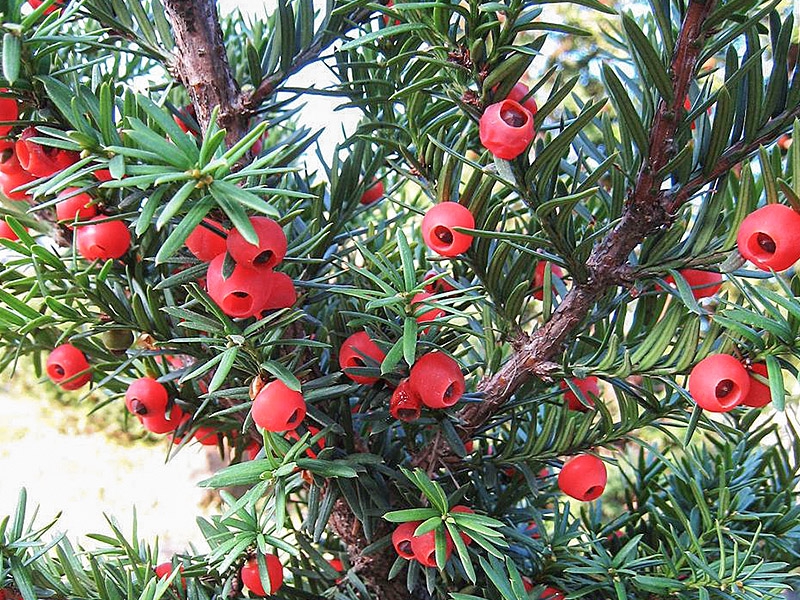
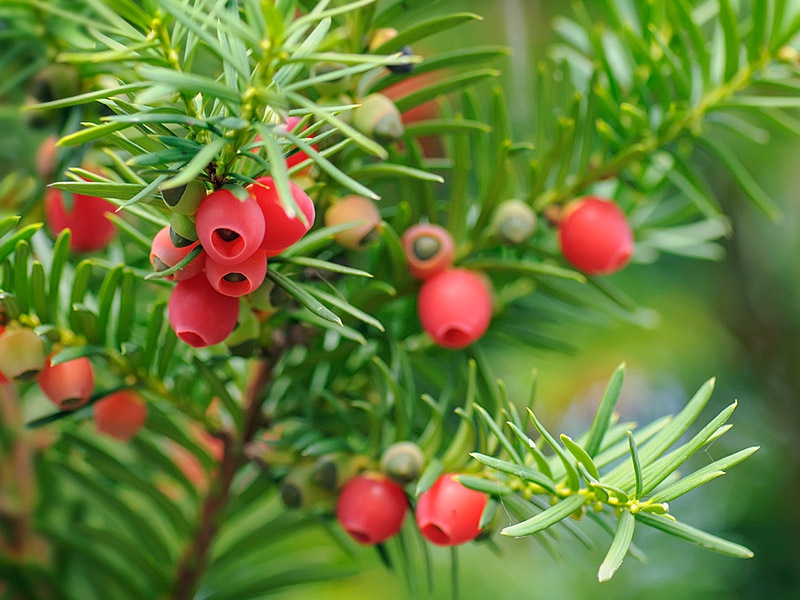
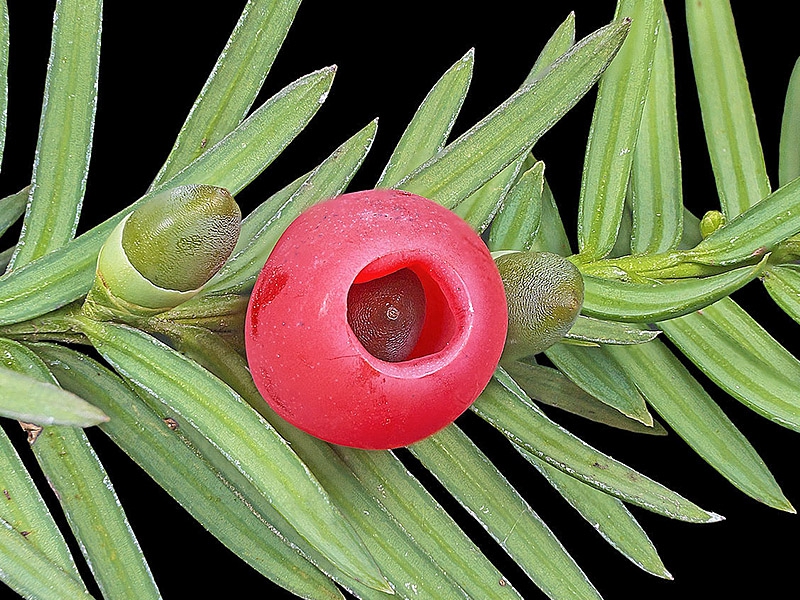
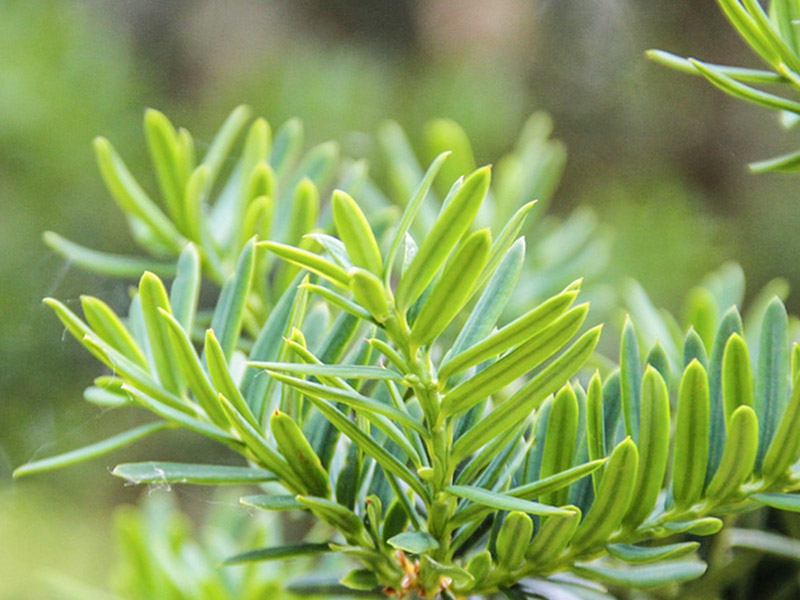
Yew (Taxus cuspidata) is a conifer native to Northeast Asia, including Korea, Japan, and China. It is characterized by the following growth characteristics, propagation methods, cultivation methods, garden uses, and information on major pests and diseases and control methods. Growth Characteristics - Growing Environment: Yew prefers shade and moisture, and thrives even in mountainous soils. While it adapts well to various soil conditions, it prefers well-drained soil. - Tree Shape and Size: When mature, yew grows to a height of approximately 5 to 10 meters and a width of 3 to 5 meters. In its natural state, it grows in a tree shape, but the desired form can be achieved through pruning as needed. - Leaves and Fruit: The leaves are slender and long, with a deep green color. The fruit contains seeds covered in red flesh; caution is required as the fruit is toxic. Propagation Methods - Propagation by Seed: Propagation using seeds is possible. Collect seeds in the autumn and plant them immediately, or leave them in a dormant state in a cold place for at least three months to promote germination. - Propagation by Cuttings: You can propagate by cutting the tips of branches in spring or early summer. Using a rooting hormone before planting can increase the rooting rate. Cultivation Methods - Planting: Plant in well-drained soil and select a planting site where sunlight is not too intense. - Watering: Be careful not to overwater, and water appropriately during dry periods. - Fertilizer: Apply appropriate fertilizer in spring and autumn to promote growth. Uses in Gardens - Border Tree: Yew trees are widely used as border trees and can be cultivated into various forms due to their high shaping potential. - Screening: They are also useful for privacy screening, providing a forest-like effect. Important Pests and Control Methods - Pests and Diseases: Yew trees are generally resistant to pests and diseases, but pests such as ladybugs may occur periodically. - Control Methods: When pests occur, they can be controlled using insecticides or natural predators. If disease is confirmed, apply an appropriate treatment and immediately remove diseased parts to prevent spread. Based on this information, you can effectively manage and utilize the Yew cuspidata.
Plant Type
Plant Family
Attention and
Height
17m
Spread
Colors
yellow
Bloom Period
april
Water Needs
commonly
Exposure
Sunny
Freezing Resistance
-40°C
Seorak Snow Yew
Taxus caespitosa
Western yew
Taxus cuspidata