English
한국어
English
Español
中文
हिंदी
Home
News
Community
Dictionary
English
한국어
English
Español
中文
हिंदी
View list
bracken
Asplenium scolopendrium
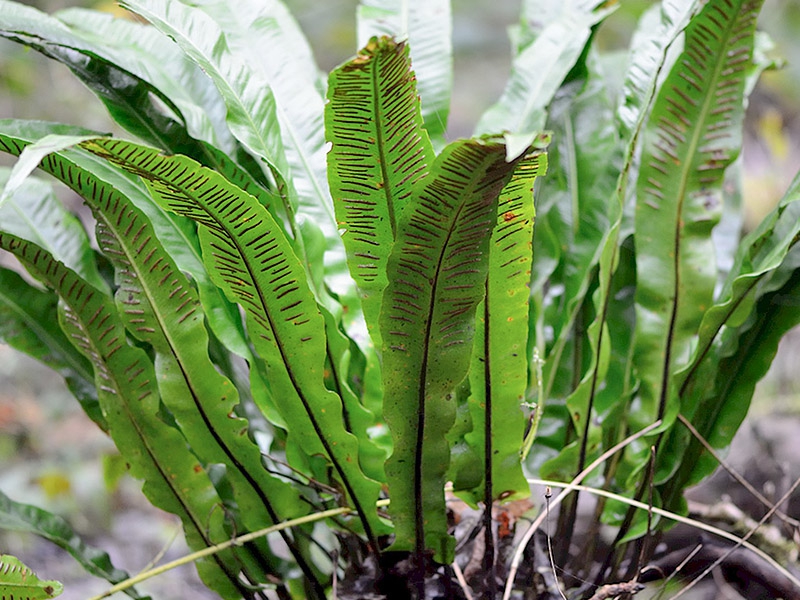
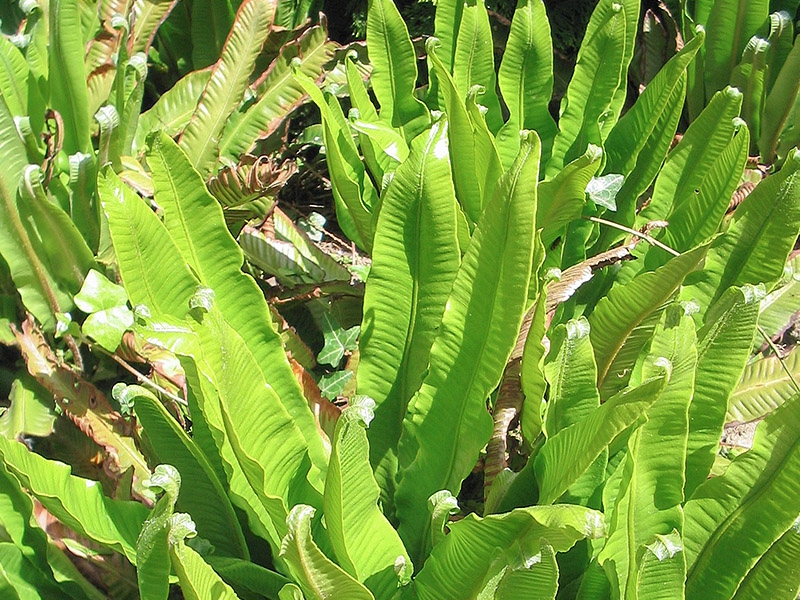
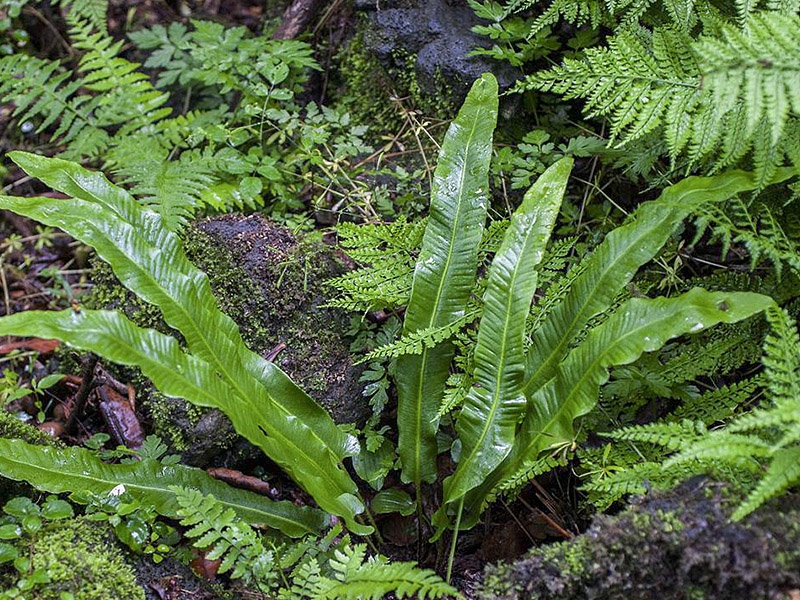
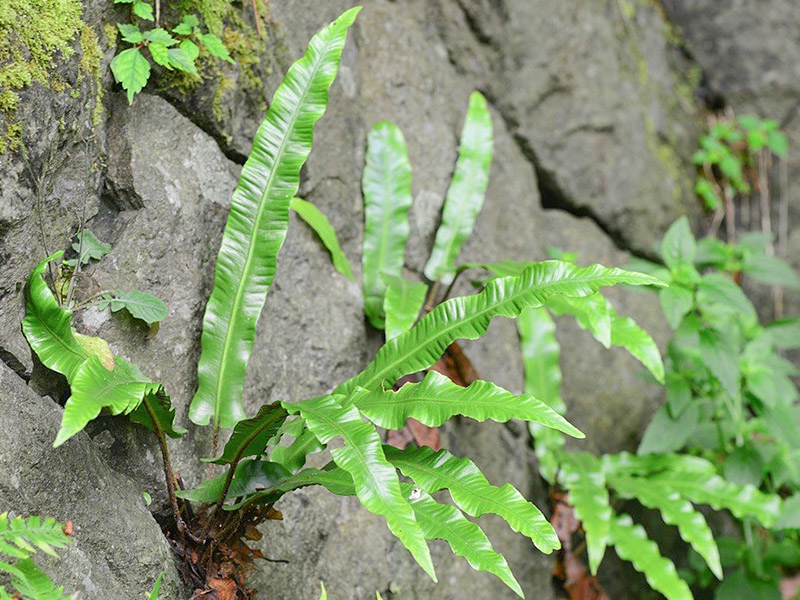
Asplenium scolopendrium is a fern popular among many people due to its unique appearance and ease of care. The following is information regarding this plant's growth characteristics, propagation methods, cultivation methods, garden uses, and major pests and diseases, as well as control methods. Growth Characteristics - Leaves: Asplenium scolopendrium is characterized by long, sword-shaped, glossy green leaves. The leaves grow densely in clusters, and growth is relatively slow. - Growing Environment: It prefers partially shaded areas and thrives in moist soil. While it likes high humidity, it is best to avoid soil that is excessively wet. - Cold Hardiness: It is relatively resistant to cold, but protection may be required during severe cold snaps. Propagation Methods - Spore Propagation: It can be propagated by collecting spores located on the undersides of leaves. Spores generally mature in late summer. - Division: Mature plants can also be propagated by dividing them. Spring or early autumn is the optimal time. Cultivation Method - Soil: Well-drained humus soil is ideal. - Watering: Water moderately to prevent the soil from drying out, but avoid overwatering. - Fertilizer: During the growing season (spring to summer), it is recommended to apply a small amount of slow-release fertilizer. - Care: Maintain cleanliness by neatly removing old or damaged leaves. Garden Use Gold fern is ideal as a ground plant for shady gardens. It is also a good plant to bring green vitality to spaces requiring forest-like conditions. It can be utilized in semi-shade gardens, limestone gardens, and waterside gardens. Important Pests and Control Methods - Pests: It is relatively resistant to pests, but aphids or snails may rarely occur. - Diseases: Be careful of root rot caused by overwatering. - Control Methods: In the case of aphids, control can be achieved through periodic observation and, if necessary, using soapy water or natural insecticides. Snails can be removed by hand or by using an eco-friendly snail repellent. To prevent root rot, ensure proper drainage and watering management. By taking these characteristics into account, you can cultivate the fern into a beautiful and healthy plant.
Plant Type
Plant Family
family Pteridaceae
Height
20~25cm
Spread
Colors
sporophyte
Bloom Period
Water Needs
commonly
Exposure
semi-shaded area
Freezing Resistance
-10°C
aspidistra
Aspidistra elatior
Stone wall fern
Asplenium sarelii