English
한국어
English
Español
中文
हिंदी
Home
News
Community
Dictionary
English
한국어
English
Español
中文
हिंदी
View list
spider fern
Asplenium ruprechtii
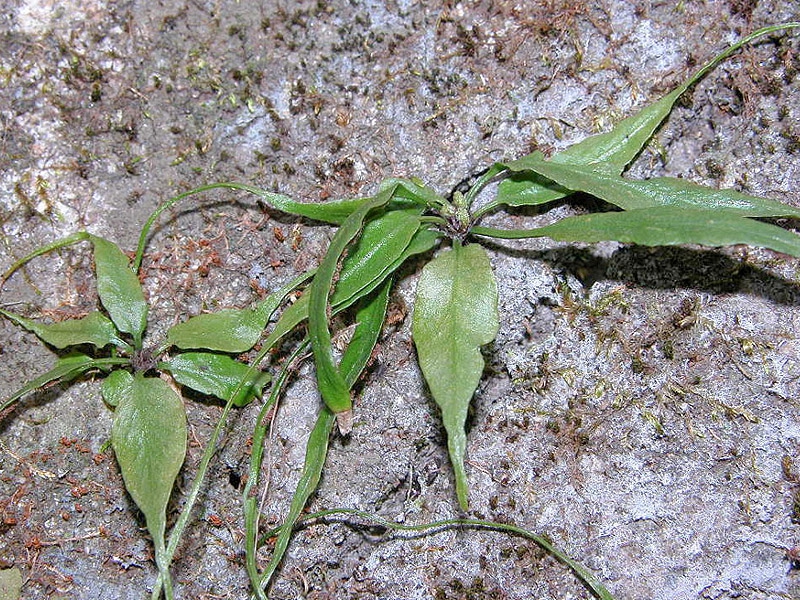
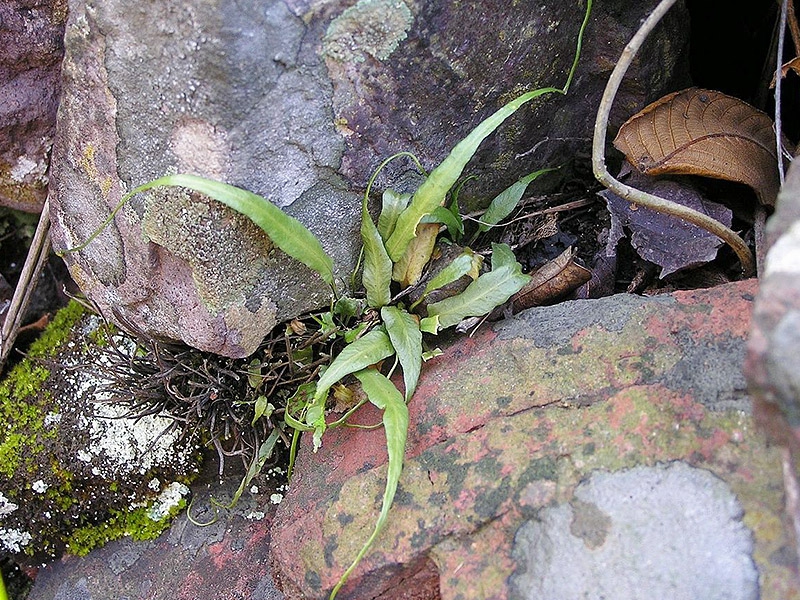
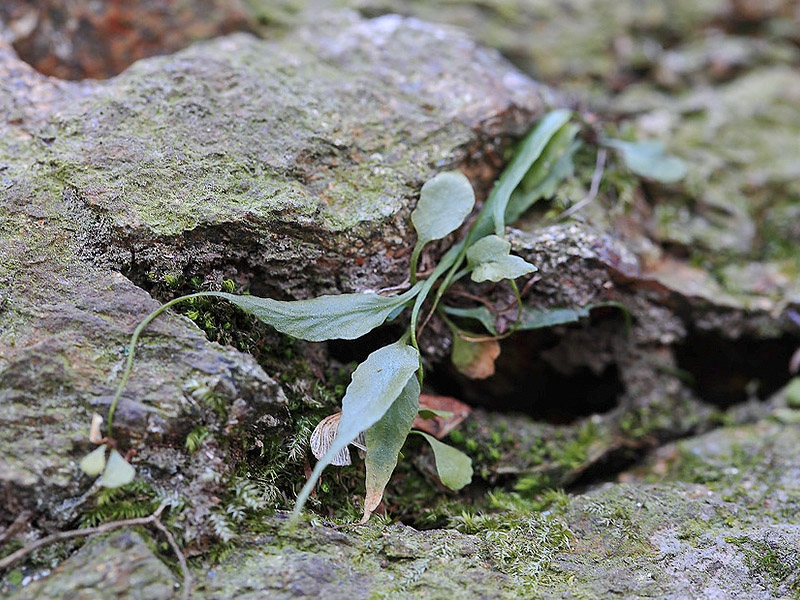
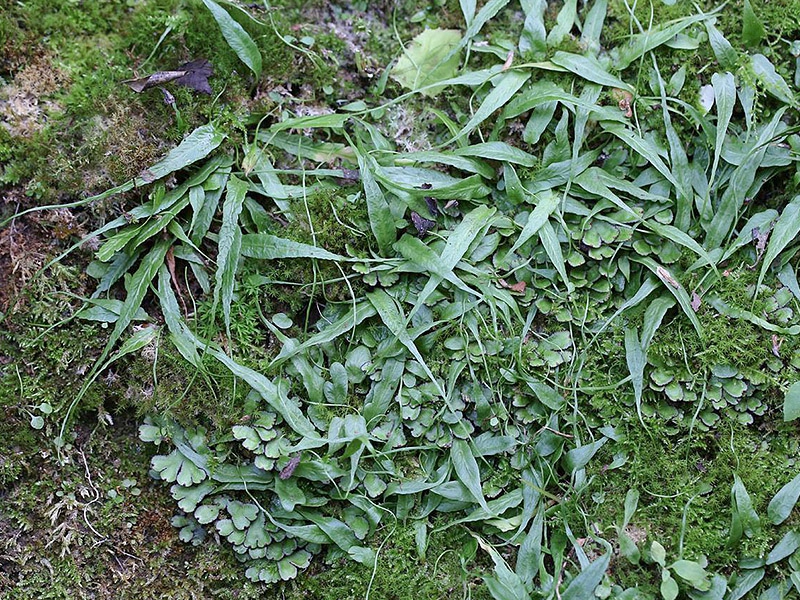
Asplenium ruprechtii is a perennial fern that thrives primarily in moist, shady environments. The following is information regarding this plant's growth characteristics, propagation methods, cultivation techniques, garden uses, major pests and diseases, and control methods. Growth Characteristics - Growing Environment: Asplenium ruprechtii grows well in humid, slightly shaded areas. It prefers indirect light over direct sunlight, and a soil environment that is well-drained yet retains moisture is suitable. - Temperature: It prefers relatively mild temperatures, and it is advisable to keep the temperature slightly lower during the winter. Propagation Methods - Spores: Ferns reproduce by spores. Spores detach from sporangia located on the undersides of mature leaves, undergo a germination process, and develop into new individuals. - Division: Propagation is also possible by dividing the mature plant into several parts and planting them. In this process, care must be taken to ensure that each part has sufficient roots. Cultivation Method - Soil: It thrives in soil rich in organic matter, such as leaf mold, and requires well-drained, moisture-retaining soil. - Watering: Provide sufficient moisture during the summer, but avoid overwatering during the winter. It is ideal to water when the soil surface is slightly dry. - Fertilizer: During the growing season, it is best to apply a small amount of a well-known fern fertilizer; it is advisable to avoid high-concentration fertilizers. Garden Uses Spider ferns are excellent for planting in shady corners of the garden, and planting them alongside other ferns can create a unique atmosphere. They are also suitable for growing as indoor foliage plants. Major Pests and Control Methods - Diseases: Since overwatering can lead to root rot, proper drainage management is crucial. - Pests: Aphids or mites may occur; to control them, it is recommended to improve the environment or use appropriate insecticides if necessary. 3. Prevention: Most diseases and pests can be prevented through regular ventilation, proper watering, and soil disinfection. Based on these characteristics, the spider fern Luprectii is a plant that is easy to care for if provided with the right environment, making it an attractive choice, especially as an interior plant.
Plant Type
Plant Family
family Pteridaceae
Height
5~20cm
Spread
Colors
sporophyte
Bloom Period
Water Needs
well
Exposure
semi-shaded area
Freezing Resistance
-10°C
Stone wall fern
Asplenium sarelii
Nest banana leaf
Asplenium nidus