English
한국어
English
Español
中文
हिंदी
Home
News
Community
Dictionary
English
한국어
English
Español
中文
हिंदी
View list
spider-tail fern
Asplenium castaneoviride
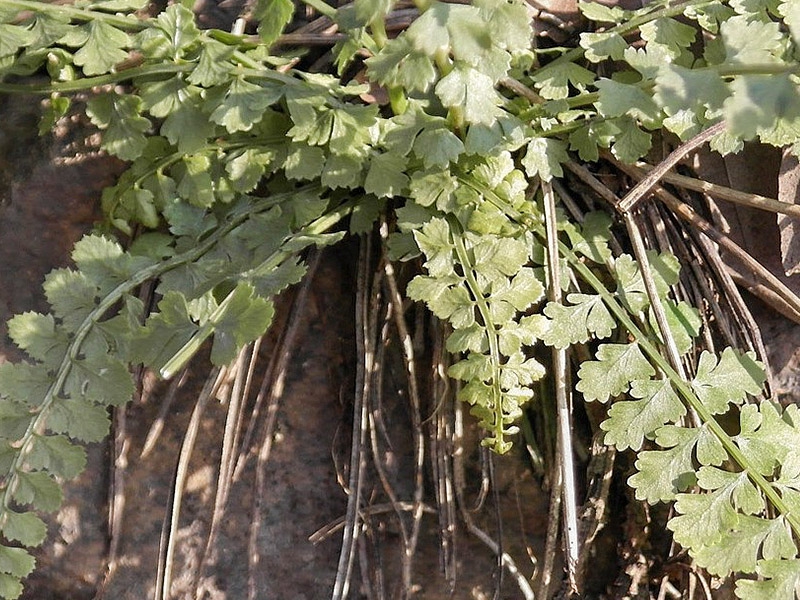
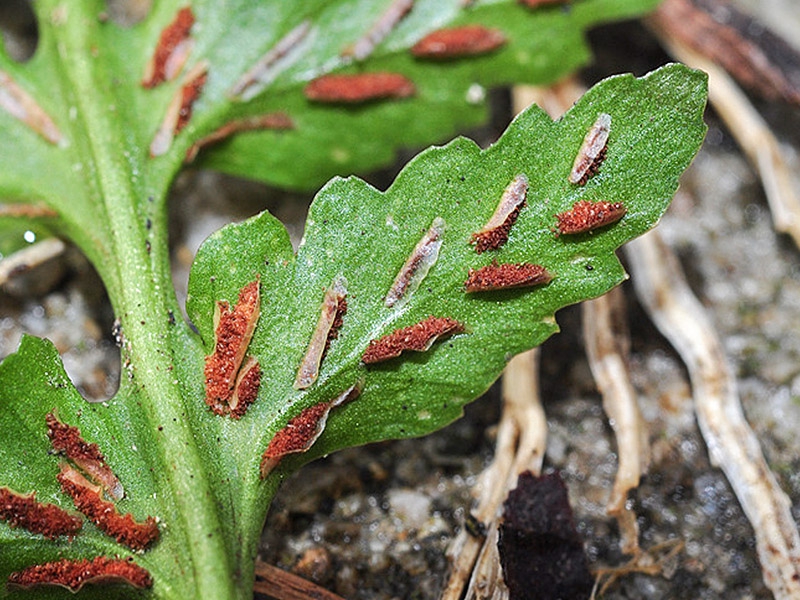
Below is information regarding the growth characteristics, propagation methods, cultivation methods, garden uses, and major pests and diseases and control methods of Asplenium × castaneoviride. Growth Characteristics - Growing Environment: It thrives in partial shade and prefers high humidity environments. It also grows well in well-drained soil. - Temperature: It grows well in temperate climates. While it can tolerate slightly low temperatures in winter, excessively cold temperatures should be avoided. - Humidity: Maintaining high humidity is important. If air humidity is low, the leaves may dry out. Propagation Methods - Spore Propagation: Propagation is possible via spores; collect the spores, dry them thoroughly, and then sow them. - Bulb Propagation: It can be propagated by dividing the bulbs, which can promote plant growth. Cultivation Methods - Soil Composition: Well-drained, acidic soil is ideal. 2. Watering: Water thoroughly when the surface soil dries out, but avoid overwatering. - Fertilization: Applying liquid fertilizer in spring and summer helps with growth. Uses in the Garden - Ornamental: Can be grown as an ornamental plant in shaded gardens or indoor spaces. - Landscaping: Can also be used as a ground plant in green spaces. Important Pests and Control Methods - Diseases: Ensure good ventilation to prevent diseases such as leaf blight. - Control: If disease occurs, remove infected leaves and use a fungicide. - Pests: Aphids and scale insects may occur. - Control: Wash them off with water or use natural insecticides. By managing Pteris japonica x Castaneoviride considering the characteristics above, it can grow healthily.
Plant Type
Plant Family
family Pteridaceae
Height
6~20cm
Spread
Colors
sporophyte
Bloom Period
June to September (spore period)
Water Needs
commonly
Exposure
semi-shaded area
Freezing Resistance
-5°C
Spider stone wall fern
Asplenium × kitazawae
Mountain fern
Asplenium × bimixtum