English
한국어
English
Español
中文
हिंदी
Home
News
Community
Dictionary
English
한국어
English
Español
中文
हिंदी
View list
Western Yew 'Repens Aurea'
Taxus baccat
'Repens Aurea'
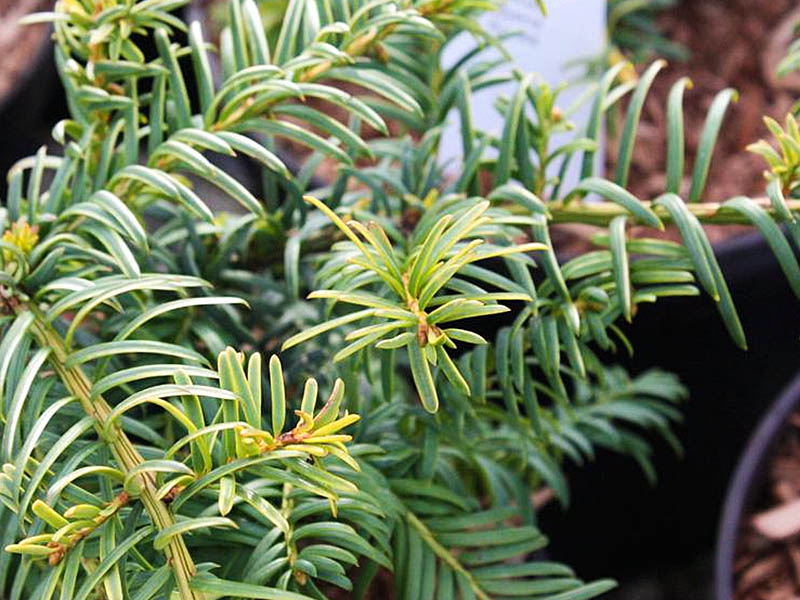
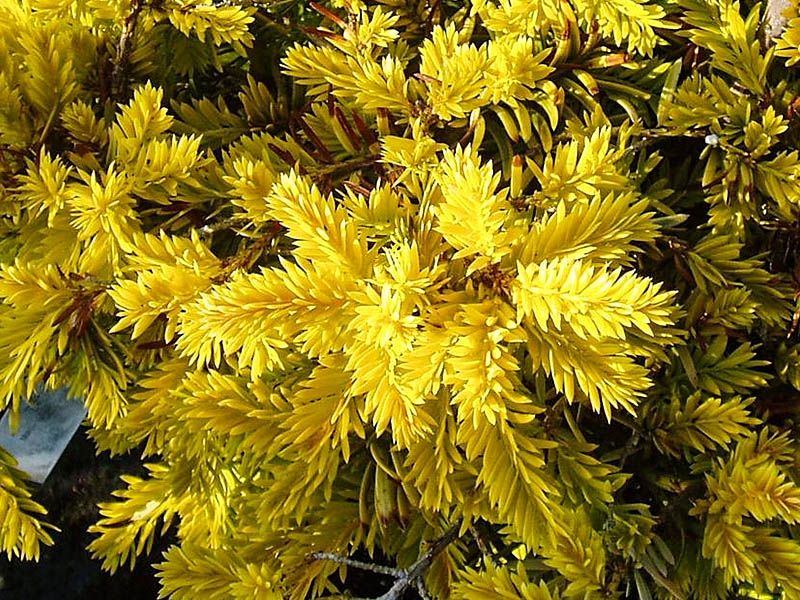
The Western Yew 'Repens Aurea' is a variety of the Western Yew (Taxus baccata) that is primarily noted for its distinctive golden color and low-lying, spreading form. Growth Characteristics: - It grows to a low height of about 1 to 2 meters, while tending to spread more widely. - Its growth rate is relatively slow, and it does not require constant maintenance. - It thrives in various environments due to its good shade and cold tolerance. Propagation Methods: - Propagation is mainly done through cuttings. It is best to take cuttings from healthy branches in the summer or autumn. - Propagation by seed is also possible, but the germination rate is low and it takes a long time. Cultivation Methods: - It grows best in fertile, well-drained soil. - It thrives in partial sunlight or shade, making it suitable for various garden locations. - Plant in a well-drained area and water as needed, but avoid overwatering. Garden Use: - Yew Repens Aurea is primarily used for ornamental purposes in gardens and parks. - Due to its low-lying spreading nature, it is ideal for use as a border plant and creates a stunning effect in the foregrounds of flower beds or rock gardens. Important Pests and Control Methods: - While generally resistant to pests, leaf blight or root rot may occur. - Avoiding overwatering and ensuring good ventilation are important for disease prevention. - Silkworms and aphids are common pests; they can be controlled using appropriate insecticides if necessary. The Western Yew Yew Repens Aurea is relatively easy to care for, making it suitable for gardening beginners. Thanks to its unique colors and shapes, it is also useful for various landscaping designs.
Plant Type
Plant Family
Attention and
Height
60~120cm
Spread
180~4.5m
Colors
yellow
Bloom Period
March to August
Water Needs
commonly
Exposure
semi-shaded area
Freezing Resistance
-20°C
Western attention 'Standishi'
Taxus baccata 'Standishii'
Western attention 'Lephandens'
Taxus baccata 'Repandens'