English
한국어
English
Español
中文
हिंदी
Home
News
Community
Dictionary
English
한국어
English
Español
中文
हिंदी
View list
Aster tataricus
Aster incisus
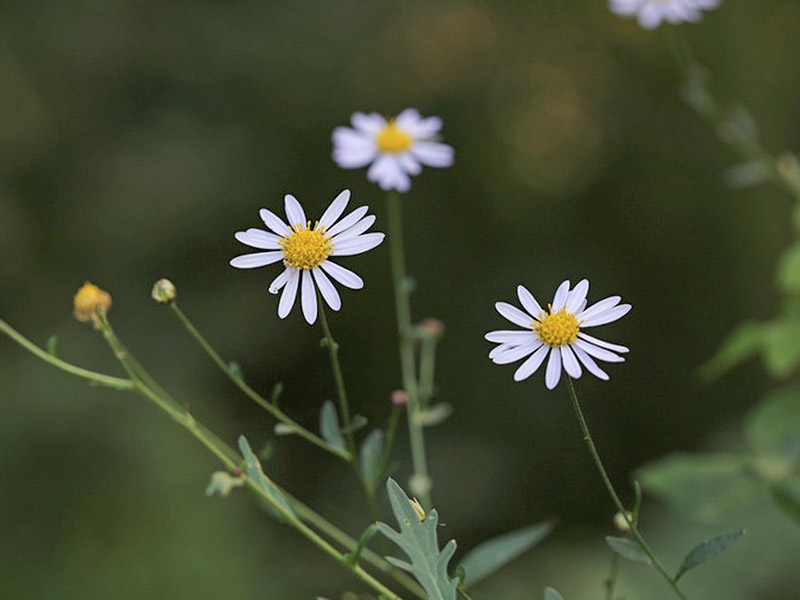
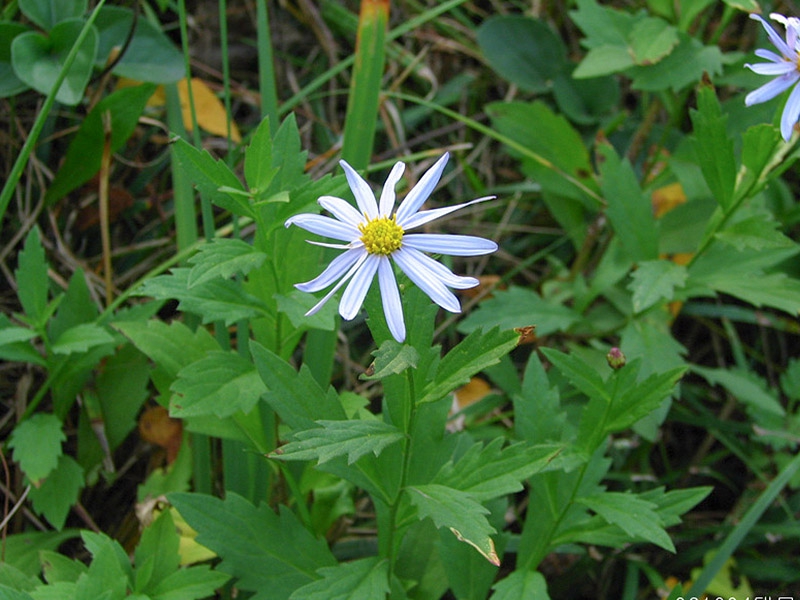
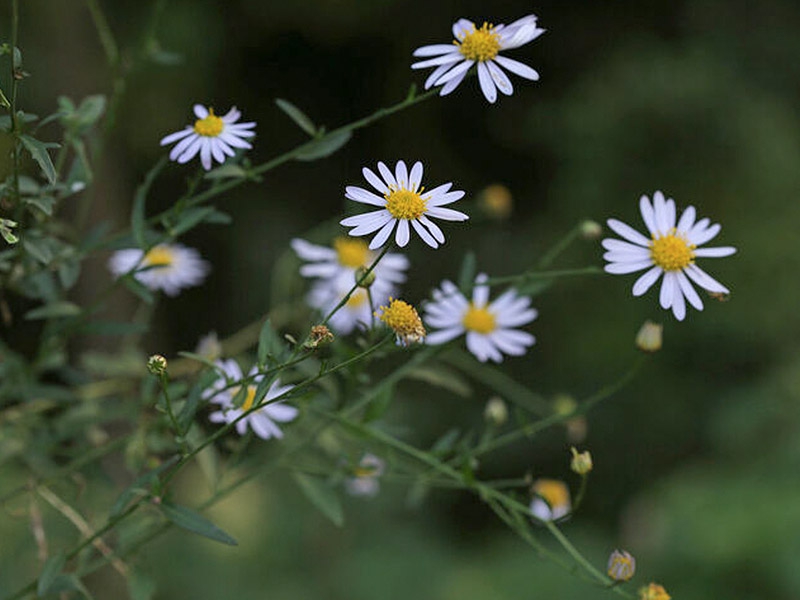
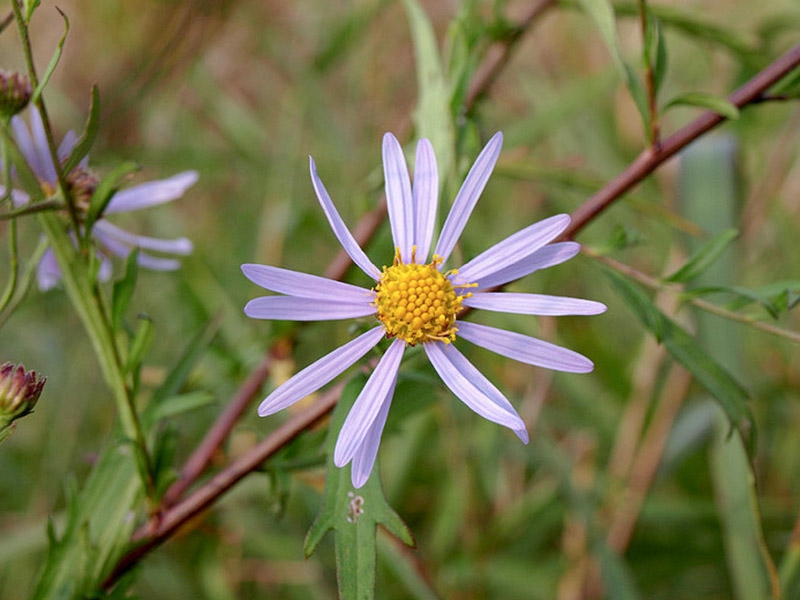
Aster incisus is a perennial herb belonging to the Asteraceae family, primarily growing in grasslands in mountainous areas or along roadsides. This plant possesses the following growth characteristics, propagation methods, cultivation methods, garden uses, and information on major pests and diseases and control methods. Growth Characteristics - Height: Grows to approximately 30–60 cm. - Flowers: Typically blooms from June to August, producing purple or light purple flowers. - Leaves: The leaves have serrated margins and are narrow and elongated in shape. Propagation Methods - Seed Propagation: Aster incisus is primarily propagated by seeds. It is common practice to collect mature seeds in the autumn and sow them in the spring. - Division: It can also be propagated by root division. This is usually performed in the spring or autumn. Cultivation Methods - Soil: Grows well in well-drained soil. - Sunlight: It thrives in sunny locations but can also grow in partial shade. - Watering: While it is somewhat resistant to drought, periodic watering is necessary during the summer. Uses in the Garden - Landscape Appeal: The purple flowers add a color variation to the garden, making it suitable for ornamental purposes. - Maintenance: It is relatively easy to care for and highly resistant to pests and diseases, making it suitable for beginners. Important Pests and Control Methods - Diseases: While generally resistant to diseases, fungal diseases may occur on the leaves. In this case, control them using an appropriate fungicide. - Pests: Pests such as aphids may appear; control them using soapy water or an appropriate insecticide. With proper care, the Aster tataricus not only provides a beautiful landscape in the garden but is also a plant that adapts well to various environments.
Plant Type
Plant Family
Asteraceae
Height
1~1.5m
Spread
Colors
Pink, purple
Bloom Period
July to October
Water Needs
commonly
Exposure
Sunny
Freezing Resistance
-10°C
Korean aster
Aster koraiensis
Sea aster
Aster hispidus