English
한국어
English
Español
中文
हिंदी
Home
News
Community
Dictionary
English
한국어
English
Español
中文
हिंदी
View list
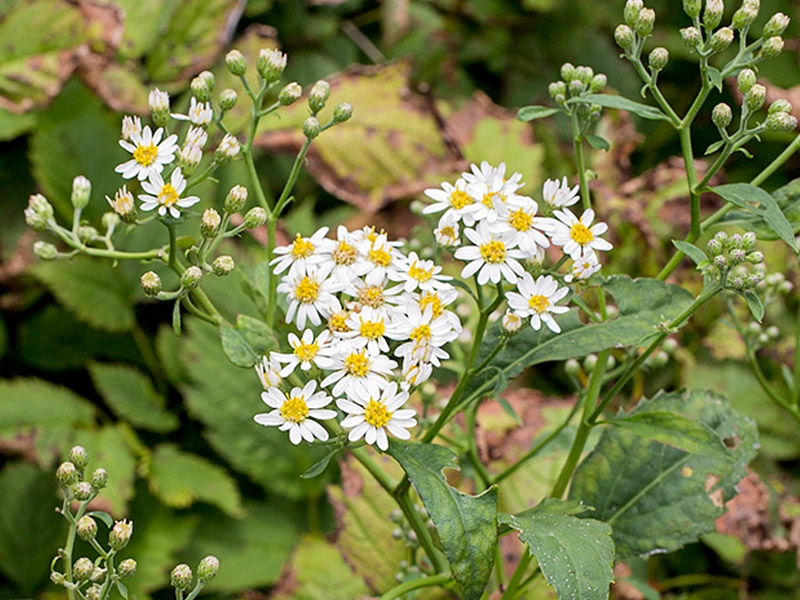
Island aster
Aster pseudoglehnii
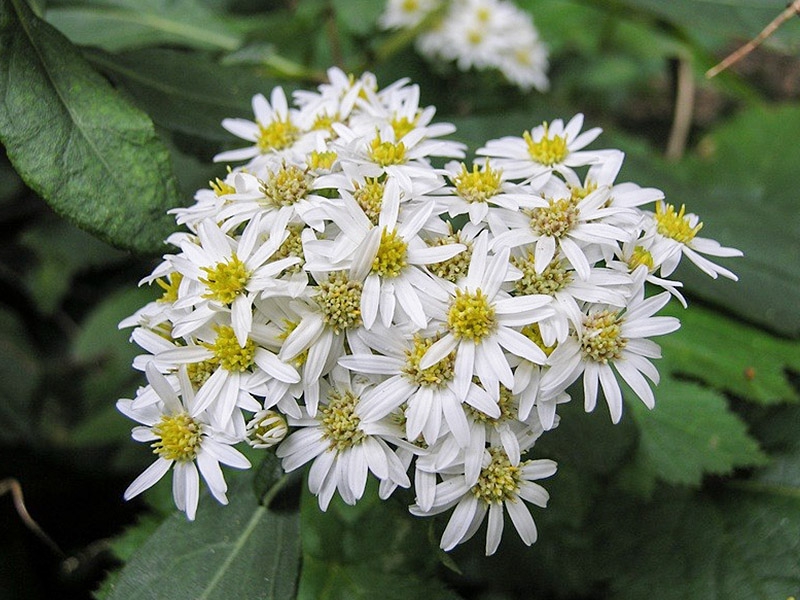
Aster pseudoglehnii is a perennial herbaceous plant native primarily to East Asia. Growth Characteristics- Environment: It thrives in full sun or partial shade. It prefers well-drained soil, and a slightly acidic to neutral pH (6.0–7.0) is most suitable. - Height: It generally grows to a height of 50 to 100 cm. - Flowering Period: It blooms mainly from summer to autumn, featuring beautiful purple or violet flowers. Propagation Methods- Seed Propagation: Seeds can be sown indoors in the spring or sown directly in the summer. Sow seeds shallowly and transplant them at appropriate intervals after germination. - Division Propagation: Propagate by dividing the clumps in the spring or autumn when roots have developed. It is important to select a healthy parent plant and carefully divide the roots. - Cutting Propagation: Take cuttings from stems in the summer. Cut the stems to a length of 10–15 cm, remove some leaves, and plant in well-draining soil. Cultivation Method- Watering: It likes water, so sufficient watering is necessary, especially during dry periods. However, overwatering should be avoided. - Fertilization: It is recommended to fertilize regularly during the growing season. Use slow-release or liquid fertilizers appropriately. - Weeding and Management: Remove surrounding weeds frequently, and if necessary, use stakes to support the plant and prevent it from falling over. Uses in the Garden- Due to its beautiful flowers and distinctive fragrance, it is primarily used as an ornamental plant in gardens. Additionally, it attracts bees and butterflies, making it useful when aiming to enhance ecological value. Important Pests and Diseases & Control Methods- Diseases: Rust and powdery mildew may occur. To prevent this, plant at appropriate intervals and inspect the plant frequently to identify diseases early. Use a suitable fungicide if necessary. - Pest Infestation: Pests such as aphids and mites may occur. In such cases, you can use appropriate insecticides or utilize natural predators for control. Additionally, if the damage is not severe, washing with water initially is also effective. With the information above, you can keep your Aster tataricus healthy and use it beautifully in your garden.
Plant Type
Plant Family
Asteraceae
Height
1.2~1.5m
Spread
Colors
white
Bloom Period
August to October
Water Needs
commonly
Exposure
semi-shaded area
Freezing Resistance
-30°C
Snow aster
Aster hayatae
Onggutnamul
Aster fastigiatus