English
한국어
English
Español
中文
हिंदी
Home
News
Community
Dictionary
English
한국어
English
Español
中文
हिंदी
View list
Priority country
Symphyotrichum novi-belgii
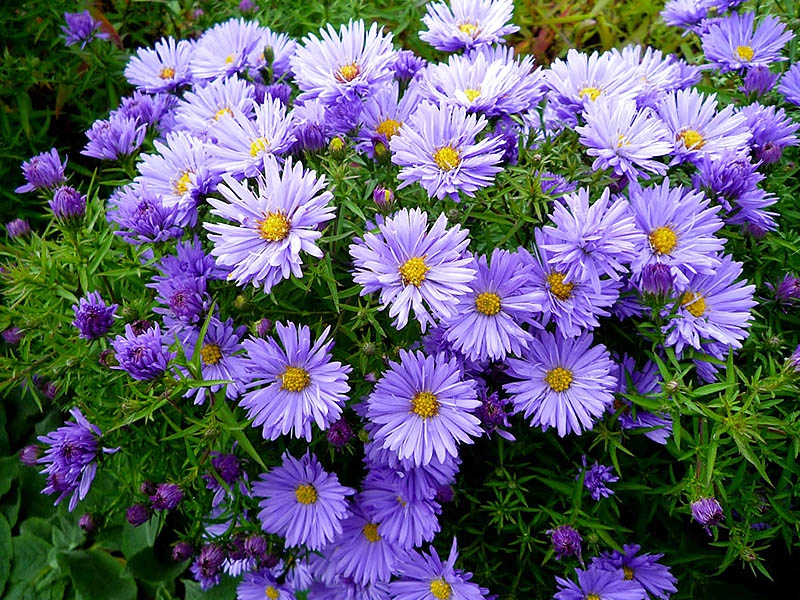
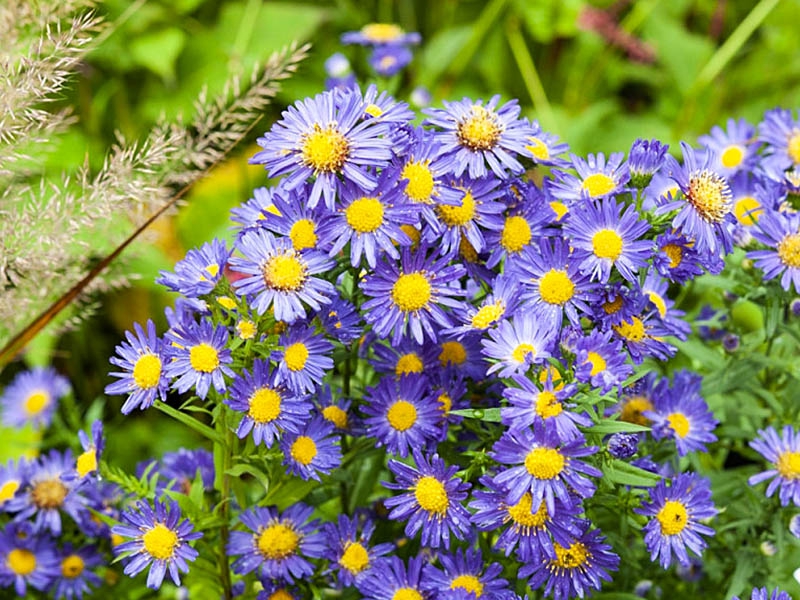
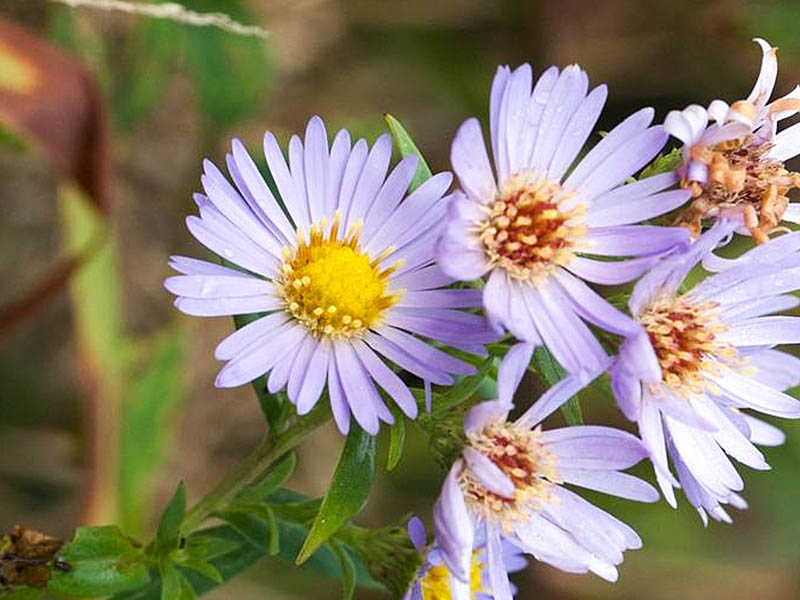
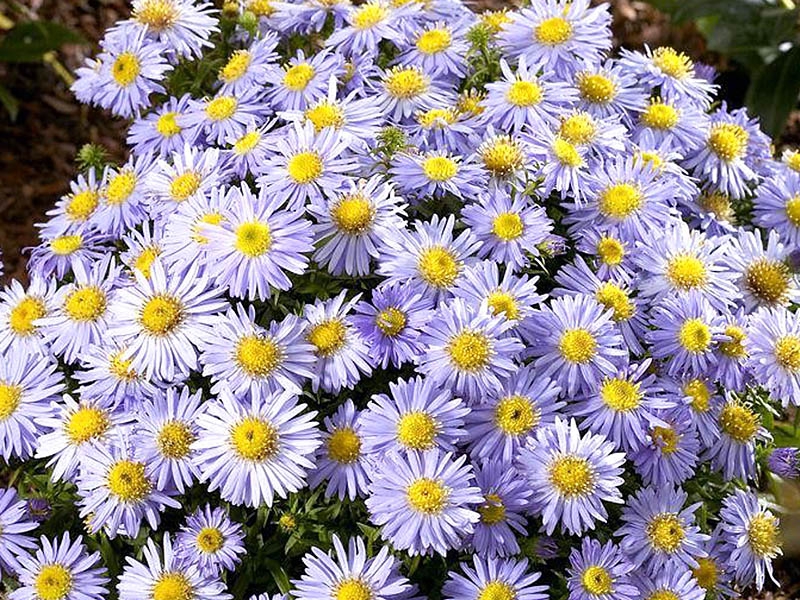
We will provide information on the growth characteristics, propagation methods, cultivation methods, garden uses, major pests, and control methods for Symphyotrichum novi-belgii. Growth Characteristics Symphyotrichum novi-belgii is a perennial herbaceous plant that primarily blooms in the autumn, adding to the autumnal atmosphere of the garden. It generally grows to a height of 30 to 90 cm, and the flower colors vary, including purple, pink, and white. It thrives in sunny locations and prefers well-drained soil. Propagation Methods Symphyotrichum novi-belgii is mainly propagated by division and seeds. Division is performed in spring or autumn, where a sturdy root ball is divided into several parts for planting. Propagation is also possible via seeds; seeds are sown indoors in the spring and transplanted outdoors after they have fully grown. Cultivation Methods When cultivating Symphyotrichum novi-belgii, follow these steps: - Soil Preparation: Mix sufficient organic matter into a well-drained soil. - Planting: Plant in spring or autumn, spacing them approximately 30–45 cm apart. - Watering: Water thoroughly about once a week during dry periods. - Fertilization: Apply a balanced fertilizer throughout spring and early summer to promote growth. - Pruning: Remove withered flowers after blooming to encourage new growth, and prune the above-ground parts after autumn. Uses in the Garden The Oenothera biennis serves as a visual focal point in the autumn garden and blends harmoniously with other autumn flowers. It can be used as a border plant or along the edges of flowerbeds, or placed in a vase for indoor decoration. Important Pests and Control Methods Oenothera biennis is primarily susceptible to fungal diseases (powdery mildew, rust) and attacks by aphids. - Powdery Mildew: Maintain sufficient spacing between plants to ensure good ventilation, and avoid watering in the evening. In the early stages of infection, fungicides can be used for control. - Aphids: If aphids appear, you can wash the leaves with water or use natural acaricides. You can keep your chrysanthemums healthy using these methods.
Plant Type
Plant Family
Asteraceae
Height
90~120cm
Spread
60~90cm
Colors
pink
Bloom Period
July~August
Water Needs
commonly
Exposure
Sunny
Freezing Resistance
-30°C
Aster 'Ada Ballad'
Aster novi-belgii 'Ada Ballard'
Aster 'Violetta'
Aster novae-angliae 'Violetta'