English
한국어
English
Español
中文
हिंदी
Home
News
Community
Dictionary
English
한국어
English
Español
中文
हिंदी
View list
Single-leaved Cimicifuga simplyikifolia
Astilbe simplicifolia
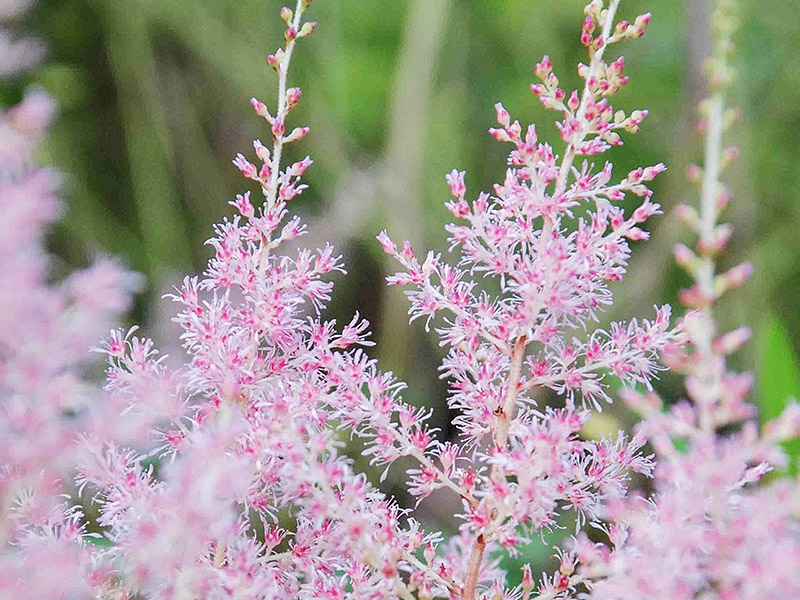
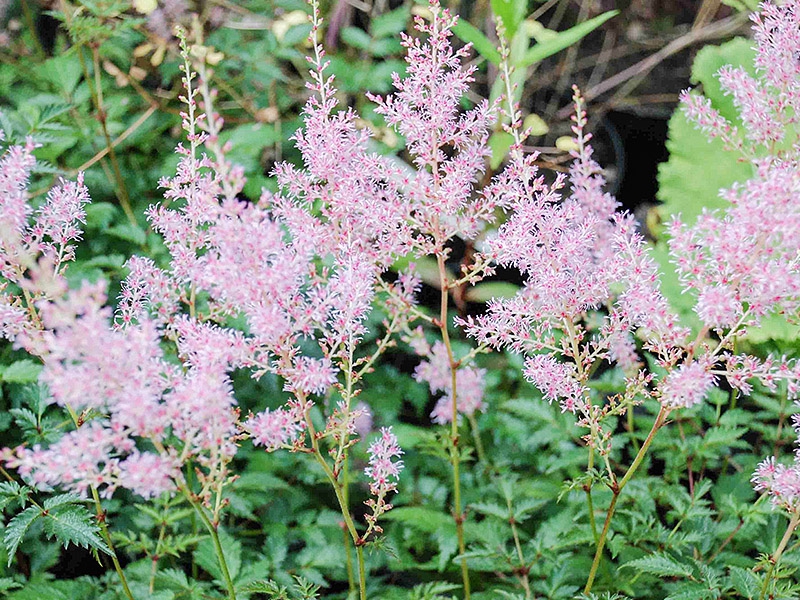
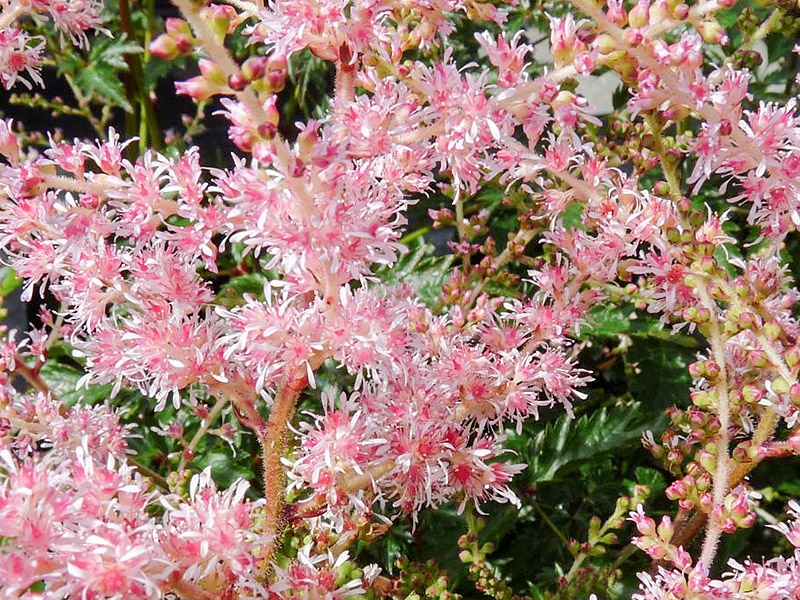
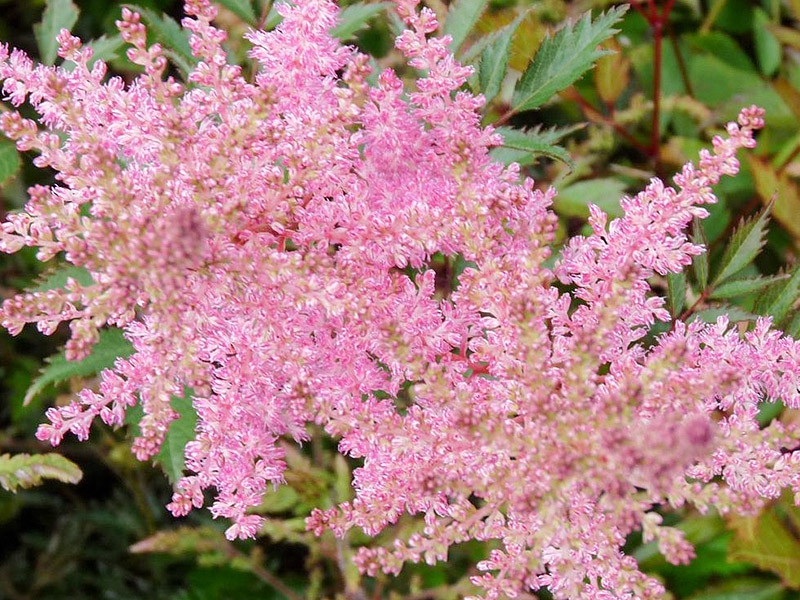
Astilbe simplicifolia has the following characteristics regarding growth, propagation, cultivation, garden use, major pests and diseases, and control methods. Growth Characteristics - Leaves: The leaves are finely divided in a feather-like shape and are dark green. - Flowers: Small star-shaped flowers bloom in the summer, mainly in shades of pink, white, and red. - Growth Conditions: It thrives in partial shade and prefers moist soil. Growth may be limited in dry environments. Propagation Methods - Seed Propagation: Seeds can be sown and germinated; they should be sown in the spring and watered thoroughly. - Division: Dividing and planting root clumps in the spring or autumn is also an effective method. Cultivation Methods - Soil: Well-drained soil is best. Adding sufficient organic matter to the soil aids growth. - Watering: Water should be given frequently, and the frequency should be increased, especially during dry periods. - Fertilizer: It is recommended to apply a balanced fertilizer during the growing season. Uses in the Garden- Since Single-leaved Cimicifuga thrives in partial shade, it is suitable for planting in areas with varying light and shadow in the garden or under trees. - It creates a beautiful effect when used to create decorative borders or planted in clusters in flowerbeds. Important Pests and Control Methods- Diseases: Mold may develop on the leaves. To prevent this, maintain good air circulation and remove infected leaves immediately. - Pests: Aphids or snails may occur. If pests appear, use appropriate insecticides. If you prefer organic control, you can use natural enemies or pyrethrin-based products. Refer to this information to properly care for Single-leaved Cimicifuga and create a beautiful garden.
Plant Type
Plant Family
Saxifragaceae
Height
10~30cm
Spread
Colors
white
Bloom Period
June~July
Water Needs
commonly
Exposure
semi-shaded area
Freezing Resistance
-30°C
deer urine
Astilbe chinensis
Halla deer urine 'Superba'
Astilbe chinensis var. taquetii 'Superba'