English
한국어
English
Español
中文
हिंदी
Home
News
Community
Dictionary
English
한국어
English
Español
中文
हिंदी
View list
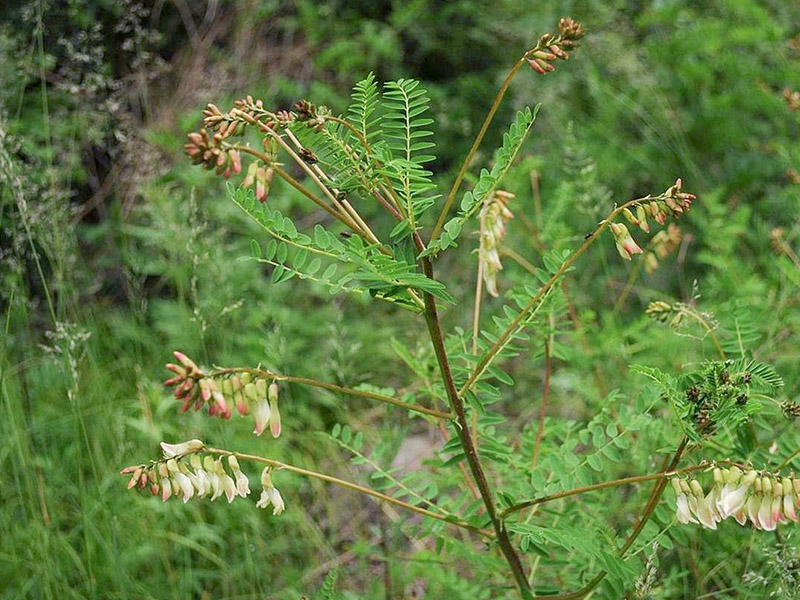
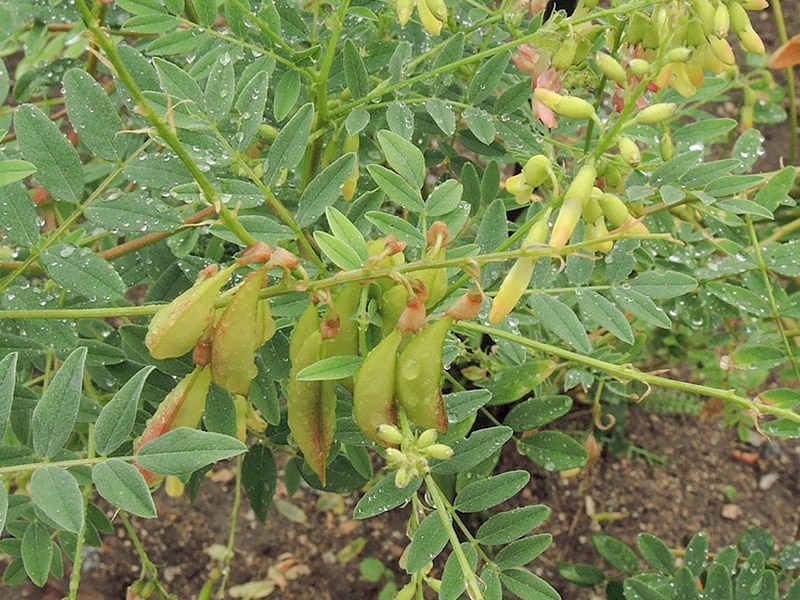
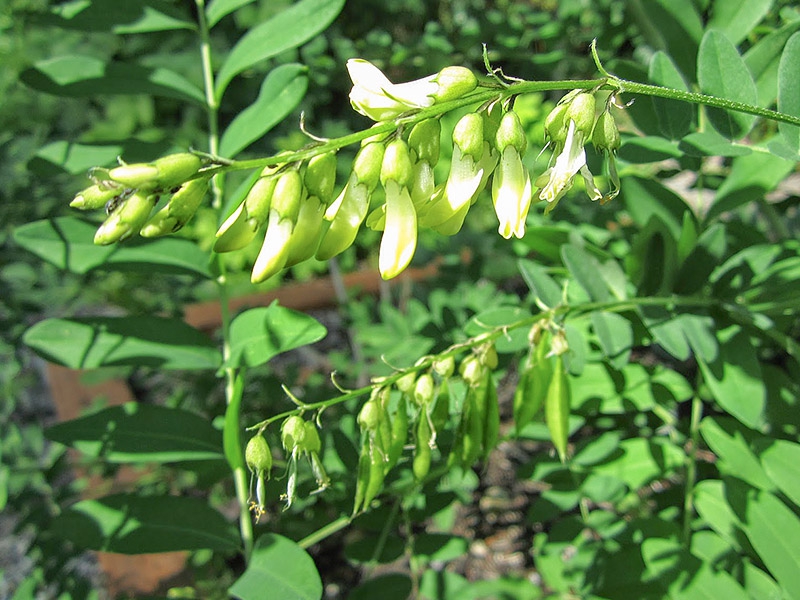
Jeju Astragalus
Astragalus mongholicus
var.
nakaianus
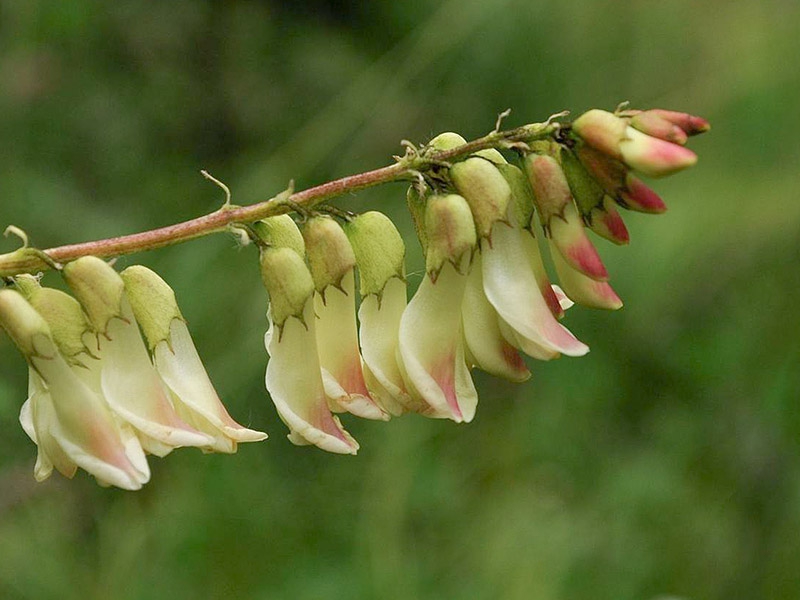
Growth Characteristics It thrives primarily in temperate climates and grows in well-drained soil with ample sunlight. It has deep, hardy roots and, as a perennial plant, sprouts new shoots every year. Propagation Methods - Seed Propagation: Seeds can be sown indoors in late winter or early spring and then transplanted to the garden in early spring. - Root Division: Mature plants can be propagated by dividing their roots in early spring or late autumn. Cultivation Methods - Soil Preparation: Prepare well-draining soil and enrich it by adding organic fertilizer. - Planting: Plant in a location with sufficient sunlight and remove surrounding weeds to create a healthy growing environment. - Watering: Avoid excessive watering and water only during dry periods. - Fertilization: Provide nutrients by applying appropriate fertilizer in the spring and autumn. Use in the Garden It can be established as an ornamental plant in the garden, creating a natural and rustic atmosphere. Additionally, it is valuable as a medicinal plant and can be utilized in a personal natural garden. Important Pests and Diseases & Control Methods - Diseases: Although Jeju Astragalus is relatively resistant, problems such as root rot caused by overwatering may occur. This can be prevented through proper watering management. - Pests: Pests such as aphids may appear. To prevent this, manage the plant through regular observation and, if necessary, use natural pest control agents. With proper cultivation management, Jeju Astragalus can be effectively utilized in the garden to grow into a healthy plant.
Plant Type
Plant Family
legumes
Height
40~100cm
Spread
Colors
yellow, purple
Bloom Period
July~August
Water Needs
commonly
Exposure
Sunny
Freezing Resistance
-15°C
Astragalus
Astragalus sinicus
Ganghwa Astragalus
Astragalus sikokianus