English
한국어
English
Español
中文
हिंदी
Home
News
Community
Dictionary
English
한국어
English
Español
中文
हिंदी
View list
Astrantia Maxima
Astrantia maxima
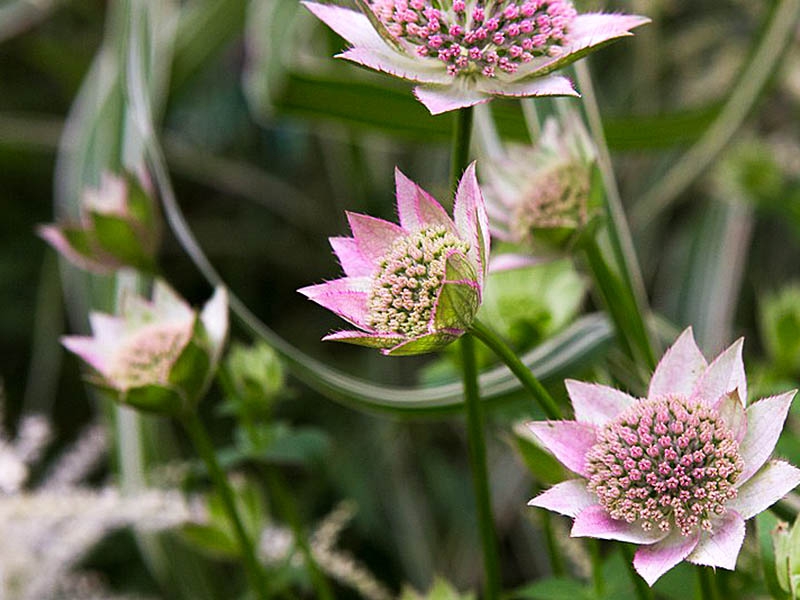
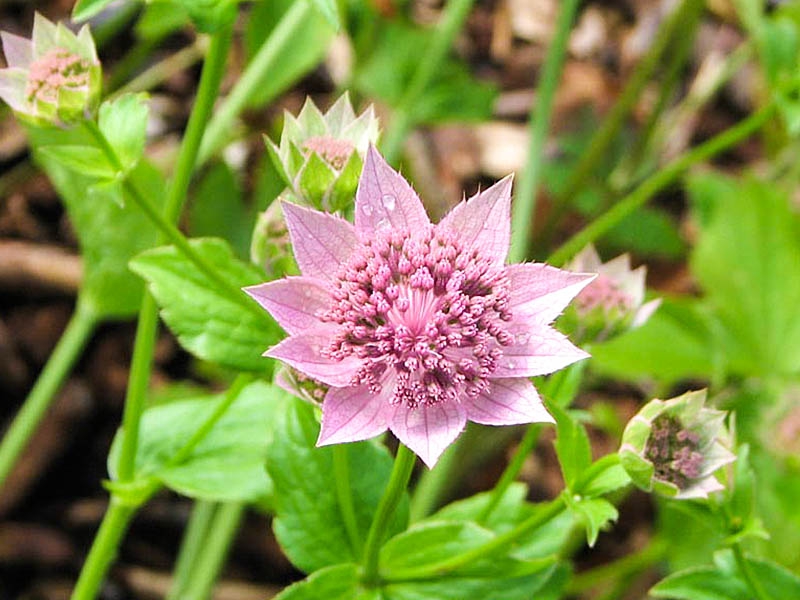
Astrantia maxima is an attractive perennial flowering plant characterized by its star-shaped flowers and long flower stalks. The following describes the growth characteristics, propagation methods, cultivation methods, garden uses, and major pests and diseases, as well as control methods for Astrantia maxima. Growth Characteristics - Sunlight: It thrives in partial shade; it is best to avoid areas with excessively strong direct sunlight. - Soil: It grows well in well-drained soil that retains moderate moisture. A neutral to slightly acidic soil pH range (6.0-7.0) is suitable. - Moisture: Maintaining adequate moisture is important. It does not grow well in dry environments. - Temperature: It prefers a cool climate; growth may be inhibited in hot and humid summer environments. Propagation Methods - Seed Propagation: It can be propagated by seeds, but the germination rate is low and it takes time. It is common practice to collect seeds in the autumn and sow them in early spring. - Root Division: It is more effective to propagate by dividing the roots of mature plants in spring or autumn. Root division offers a high propagation rate and is relatively simple to manage. Cultivation Method - Planting: Plant in a location with appropriate partial shade and maintain a consistent spacing (approximately 30-45 cm). - Watering: Maintain consistent moisture levels and ensure the soil does not dry out. - Fertilizer: Support the growing season by using slow-release fertilizer in the spring. - Care: Remove withered flowers to allow energy to be directed to other parts of the plant. Uses in the Garden - Astrantia maxima is excellent for planting along the borders or in the center of flower beds. Additionally, using it alongside other perennial flowering plants creates a spectacular landscaping effect. - The flowers can be cut and used for bouquets. Important Pests and Control Methods - Diseases: Gray mold, which primarily affects the leaves, may occur. Since this can be caused by overwatering, prevent it by ensuring proper ventilation and adjusting watering schedules. - Pests: Aphids may occur. To prevent this, regular observation is recommended, and natural insecticides can be used if necessary. - General Care: To prevent diseases and pests, it is recommended to maintain a clean environment during the winter by pruning the above-ground parts and removing unnecessary fallen leaves. Refer to this guide to grow a healthy Astrantia Maxima!
Plant Type
Plant Family
Apiaceae
Height
30~90cm
Spread
30~60cm
Colors
pink
Bloom Period
May to August
Water Needs
commonly
Exposure
Sunny
Freezing Resistance
-15°C
Astragalus Crasicarpus
Astragalus crassicarpus
Astrantia Major var. Rosea
Astrantia major var. rosea