English
한국어
English
Español
中文
हिंदी
Home
News
Community
Dictionary
English
한국어
English
Español
中文
हिंदी
View list
Gaja tree kebula
Terminalia chebula
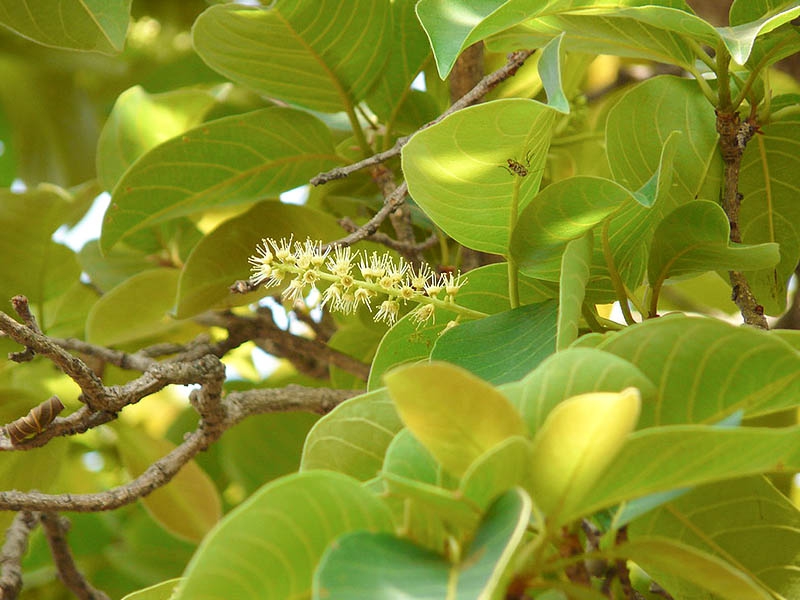
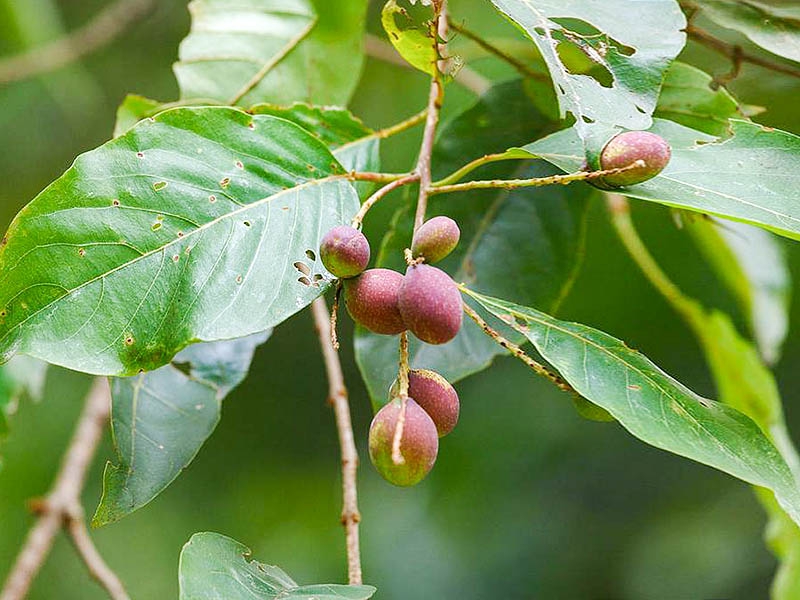
Growth Characteristics of Terminalia chebula Terminalia chebula thrives primarily in warm climates and exhibits optimal growth in environments with ample sunlight. It grows well in well-drained soil rich in organic matter. It can grow up to 30 meters in height, and its leaves are oval-shaped and glossy. Propagation Methods Terminalia chebula is primarily propagated by seeds. Seeds are extracted from ripe fruit; soaking the seeds in water for 24 hours before sowing can increase the germination rate. Germination begins within 2 to 3 weeks after sowing. Cultivation Methods - Preparation: Prepare well-drained soil and use organic fertilizers to improve soil nutrient levels. - Sowing: Plant seeds 1 to 2 cm deep and lightly cover with soil. - Watering: Water regularly during the initial stage, and thereafter, water according to soil conditions. 4. Care: Remove weeds and provide additional fertilizer as needed to support the healthy growth of the tree. Uses in Gardens The Japanese zelkova can be utilized as a large tree to provide shade and is also suitable for creating green spaces in parks. In addition to its aesthetic value, it is also used as a medicinal plant due to its medicinal properties. Important Pests and Control Methods The Japanese zelkova can be susceptible to certain pests and diseases. Representative pests include moths and insect larvae that damage the tree. - Diseases: Fungal diseases can generally occur. These can be prevented through periodic pruning and improved ventilation. - Control Methods: When pests appear, it is recommended to cut off the affected parts and use natural insecticides. For organic control, the use of Neem oil is effective. With the care and prevention measures described above, the Japanese zelkova can grow healthily and play a beneficial role in the garden and ecosystem.
Plant Type
Plant Family
Four Gentlemen Family
Height
30m
Spread
Colors
white
Bloom Period
June to August
Water Needs
commonly
Exposure
Sunny
Freezing Resistance
-10°C
rock cotton plant
Tephroseris phaeantha
Katapamond
Terminalia catappa