English
한국어
English
Español
中文
हिंदी
Home
News
Community
Dictionary
English
한국어
English
Español
中文
हिंदी
View list
Upside-down fern
Athyrium reflexipinnum
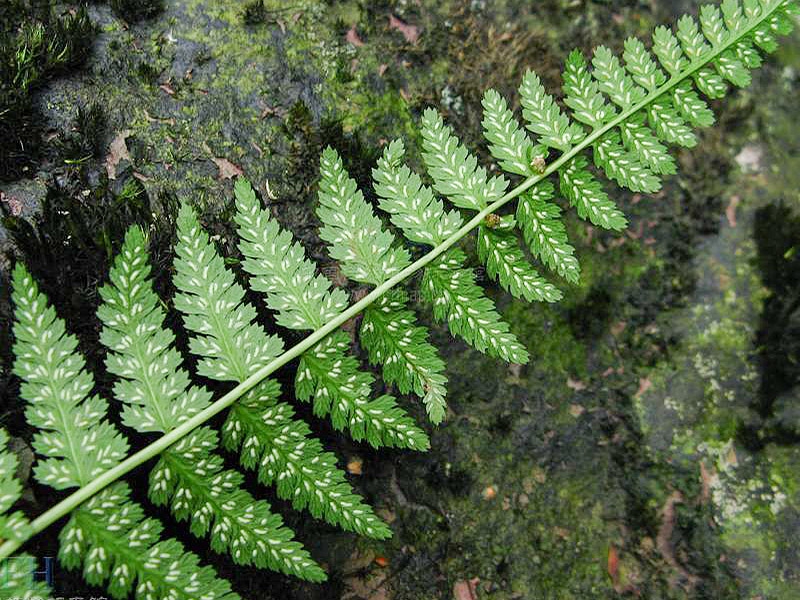
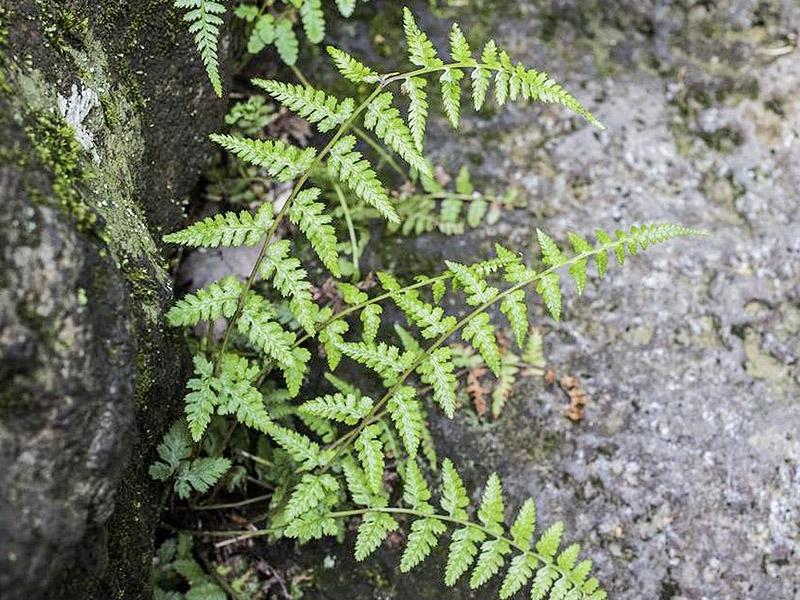
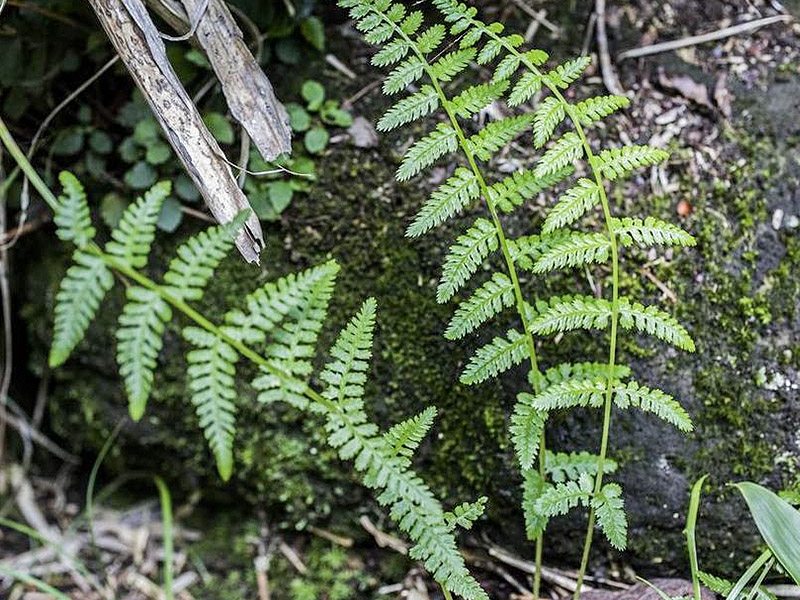
Athyrium reflexipinnum #Growth Characteristics - Habitat: Athyrium reflexipinnum prefers moist environments and thrives in partial shade. It is frequently found in the forest floor or around wetlands. - Features: This plant has a unique shape with leaves that curve backward and possesses a soft texture overall. It typically grows to a height of 30–70 cm. #Propagation Methods - Spore Propagation: Like other ferns, it reproduces by spores. It reproduces by releasing spores from sporangia located on the undersides of mature leaves. - Root Division: In addition to this method, it can be propagated by dividing the roots. It is most effective to divide and plant roots in the spring or autumn. #Cultivation Methods - Soil: High-quality, well-drained soil is preferred. It grows better in soil rich in organic matter. - Watering: Keep the soil moist at all times, but avoid excessive watering. Overwatering can cause root rot. - Sunlight: It is best to avoid direct sunlight and grow it in partial shade. Excessively strong sunlight can damage the leaves. #Uses in the Garden - Ornamental: The Korean fern is excellent for planting as an ornamental plant in shady gardens or moist areas. Its unique leaf shape and soft texture add to the atmosphere of the garden. #Important Pests and Control Methods - Diseases: Although relatively resistant to diseases, fungal diseases may occur in excessively humid environments. - Prevention and Control: Prevent problems by ensuring good air circulation and maintaining sufficient spacing between plants. - Pests: Leaves can be damaged by pests such as snails or earthworms. - Prevention and Control: Control pests through regular observation and physical removal. Organic insecticides can be used if necessary.
Plant Type
Plant Family
Myeonma-gwa
Height
25~35cm
Spread
Colors
sporophyte
Bloom Period
Water Needs
commonly
Exposure
semi-shaded area
Freezing Resistance
-10°C
Dog's-tooth fern
Athyrium sheareri
King fern
Deparia pterorachis