English
한국어
English
Español
中文
हिंदी
Home
News
Community
Dictionary
English
한국어
English
Español
中文
हिंदी
View list
Mountain fern
Athyrium alpestre
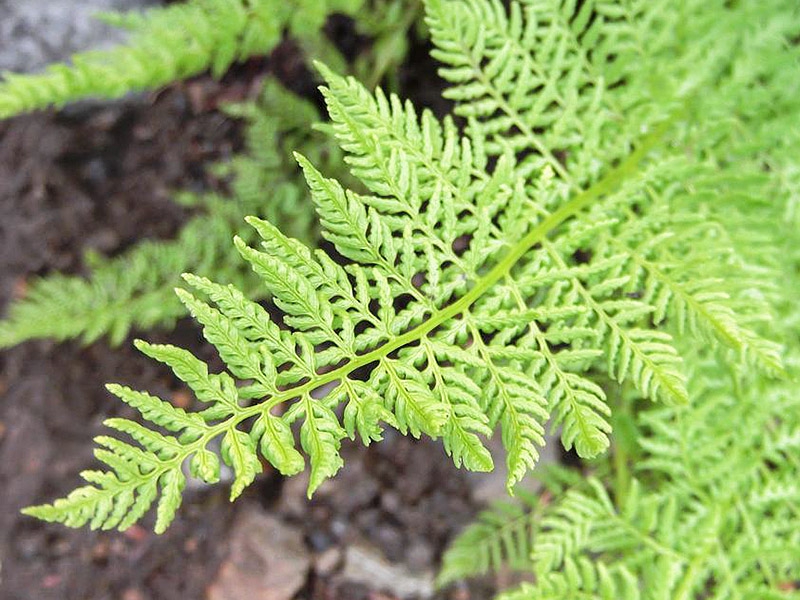
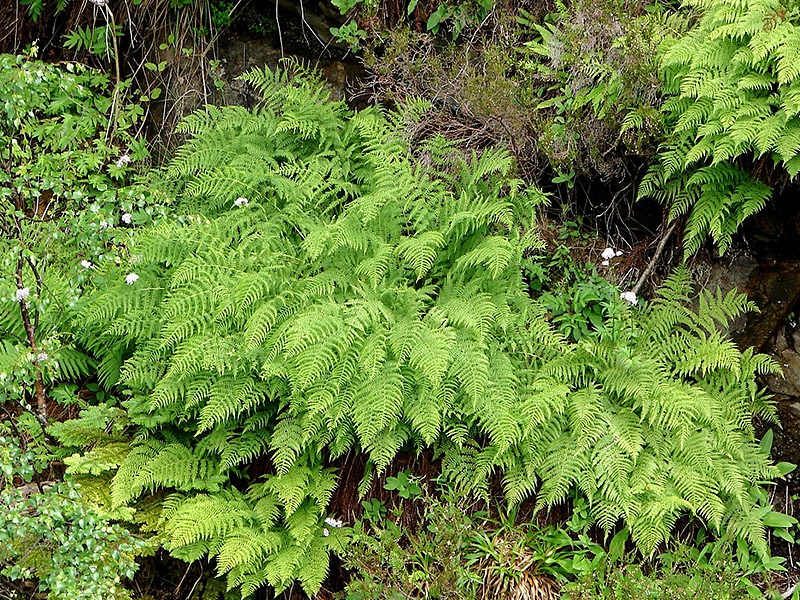
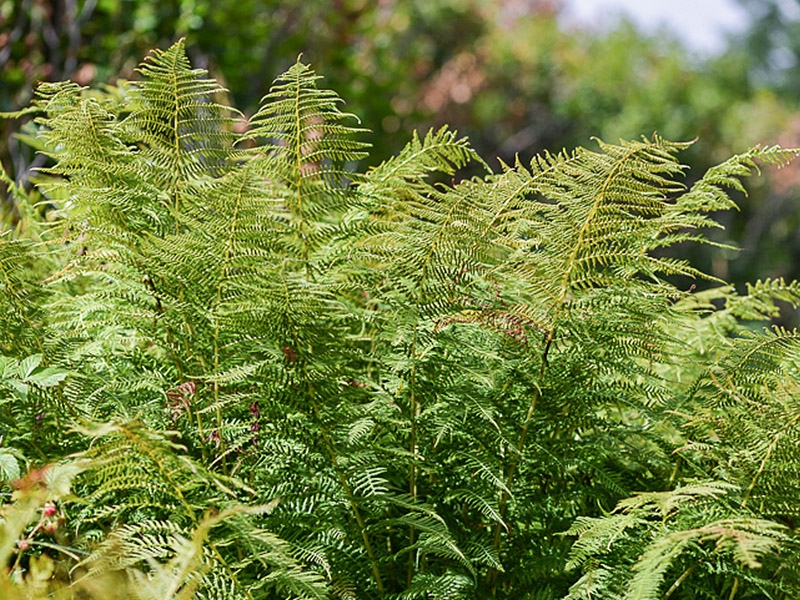
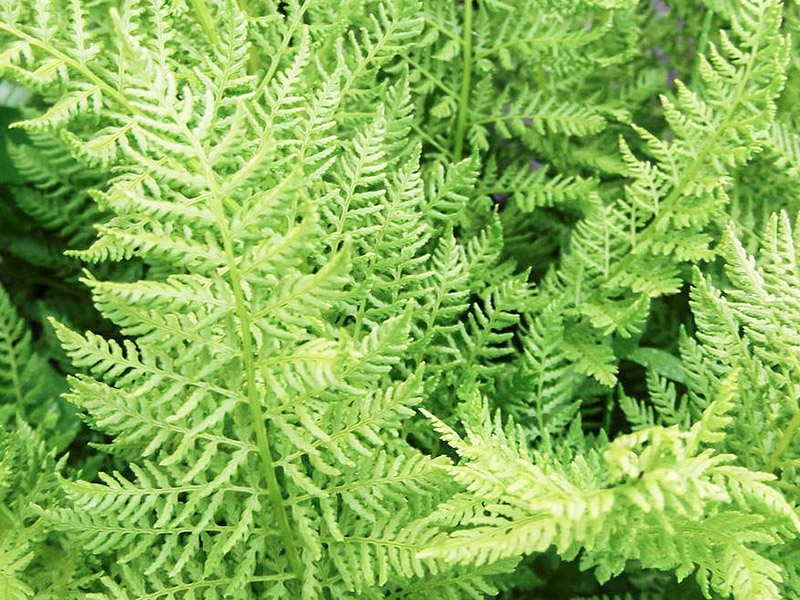
Growth Characteristics Athyrium alpestre is a fern that thrives in the humid environments of alpine regions. It grows to a height of approximately 30–70 cm, and its leaves are dense green and spread out like vines. This plant prefers a relatively cool climate and grows best in partial shade. Propagation Method Athyrium alpestre reproduces by spores. Since it reproduces via spores rather than seeds, it is common practice to collect spores during the summer when they mature. Spores are sown on moist, well-aerated soil, and germination is induced by maintaining a moist environment. Cultivation Method For cultivating Athyrium alpestre, well-drained soil and a location with some shade are suitable. Areas that are too dry or exposed to strong direct sunlight should be avoided. Consistent watering is required after planting, and providing a small amount of nitrogen-containing fertilizer during the growing season is beneficial. Garden Use Due to its beautiful leaf shape, the Alpes chinensis is an excellent plant to plant in shady areas of the garden. It is particularly suitable for creating a natural landscape. Planting it mixed with other ferns or shade-loving plants can create an even more lush appearance. Important Pests and Control Methods Alpes chinensis is relatively resistant to pests and diseases, but it can contract fungal diseases due to high humidity. In such cases, diseased leaves should be removed immediately, and the area around the plant should be well-ventilated. Additionally, water the plant early in the morning to prevent water droplets from remaining on the leaves for too long. If necessary, chemical control can be used to prevent pests and diseases.
Plant Type
Plant Family
Myeonma-gwa
Height
30∼60cm
Spread
Colors
sporophyte
Bloom Period
Water Needs
commonly
Exposure
semi-shaded area
Freezing Resistance
-30°C
Sparrow's foot fern
Athyrium monomachii
Island fern
Athyrium acutipinnulum