English
한국어
English
Español
中文
हिंदी
Home
News
Community
Dictionary
English
한국어
English
Español
中文
हिंदी
View list
Large-flowered Atractylodes
Atractylodes macrocephala
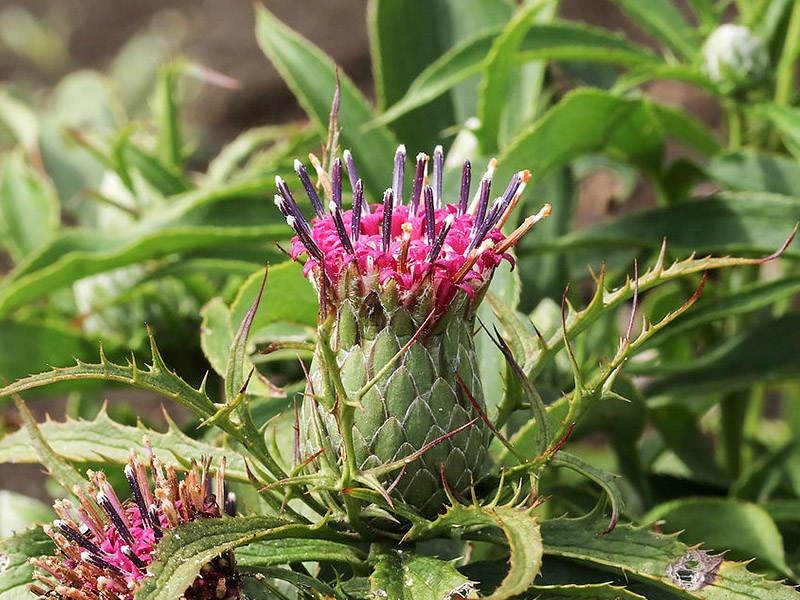
Atractylodes macrocephala, scientifically known as Atractylodes macrocephala, is a perennial herbaceous plant belonging to the Asteraceae family and is primarily native to China. While this plant is mainly used for medicinal purposes, it can also be used as an ornamental plant in gardens. The following is information regarding the growth characteristics, propagation methods, cultivation methods, garden uses, and major pests and diseases and control methods of Atractylodes macrocephala. Growth Characteristics - Growth Environment: Atractylodes macrocephala thrives in cool, humid climates. It can grow in a variety of environments, ranging from partial shade to full sun. - Soil: It exhibits optimal growth in well-drained soil rich in organic matter. A pH range of slightly acidic to neutral is suitable. - Size: Mature plants grow to a height of approximately 30–60 cm. Propagation Methods - Seed Propagation: Atractylodes macrocephala is usually propagated by seeds. Seeds are sown in the spring, and a germination period of 2–3 weeks is required. - Root Division: You can propagate the plant by dividing the roots of mature plants in spring or autumn. Cultivation Methods - Sowing: Seeds can be sown indoors in the spring, or planted directly outdoors when soil temperatures rise. - Watering: Maintain appropriate humidity during the initial growth period; thereafter, general watering management is required while avoiding overwatering. - Fertilizer: It is recommended to use a fertilizer balanced with nitrogen, phosphorus, and potassium during the growing season. Uses in the Garden - As a medicinal plant, Atractylodes macrophylla can be planted in the garden and utilized as a natural remedy for various beneficial effects. Additionally, its unique flower and leaf shapes make it attractive as an ornamental plant. Important Pests and Control Methods - Powdery Mildew: The plant may contract powdery mildew in hot and humid environments. To prevent this, space plants widely to ensure good ventilation and use fungicides if necessary. - Aphids: Aphids may appear on new shoots or leaves. In severe cases, control them using soapy water or insecticides. - Control Methods: As a preventive measure, inspect the plants periodically to detect damage early, and take appropriate action immediately if pests or diseases occur. The information above will be helpful in successfully cultivating and managing Atractylodes macrophylla. Both garden use and pest and disease control are important factors in promoting the healthy growth of the plant.
Plant Type
Plant Family
Asteraceae
Height
50∼60cm
Spread
Colors
purple
Bloom Period
July to October
Water Needs
commonly
Exposure
semi-shaded area
Freezing Resistance
-15°C
Atractylodes
Atractylodes ovata
Mudskipper
Atriplex subcordata