English
한국어
English
Español
中文
हिंदी
Home
News
Community
Dictionary
English
한국어
English
Español
中文
हिंदी
View list
Mudskipper
Atriplex subcordata
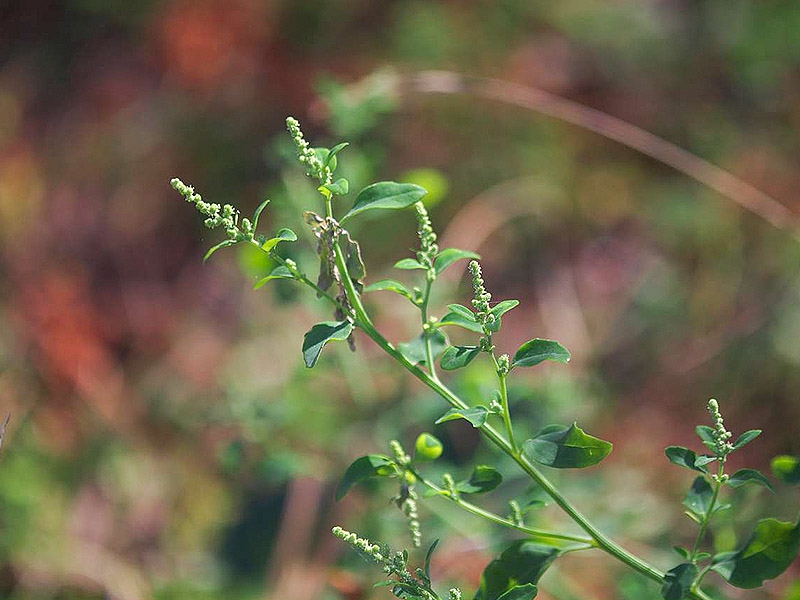
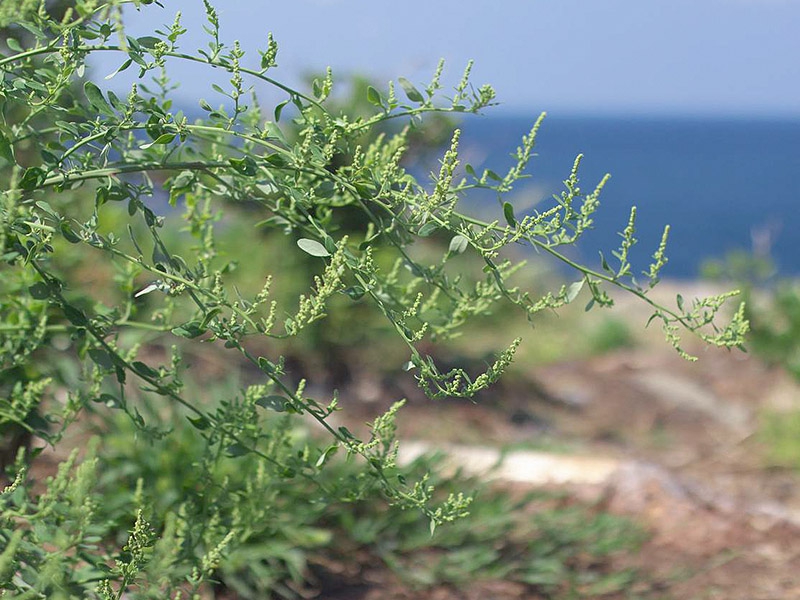
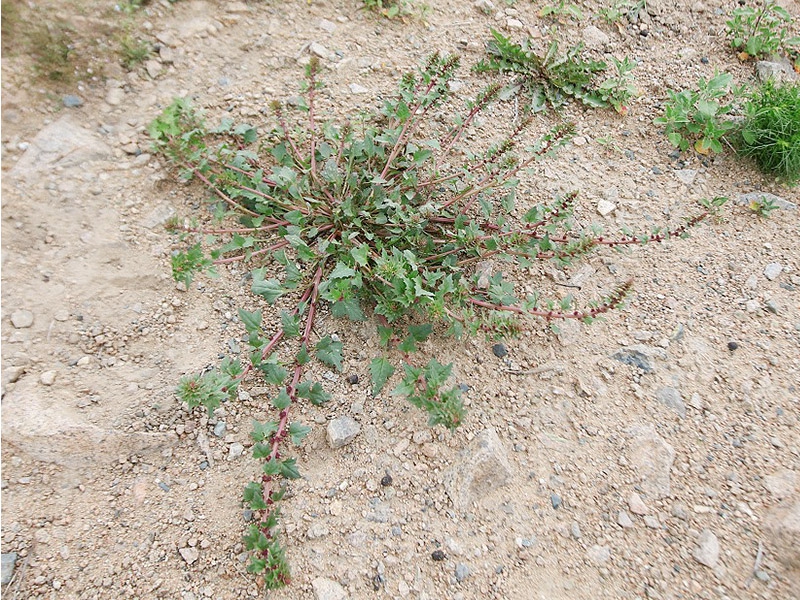
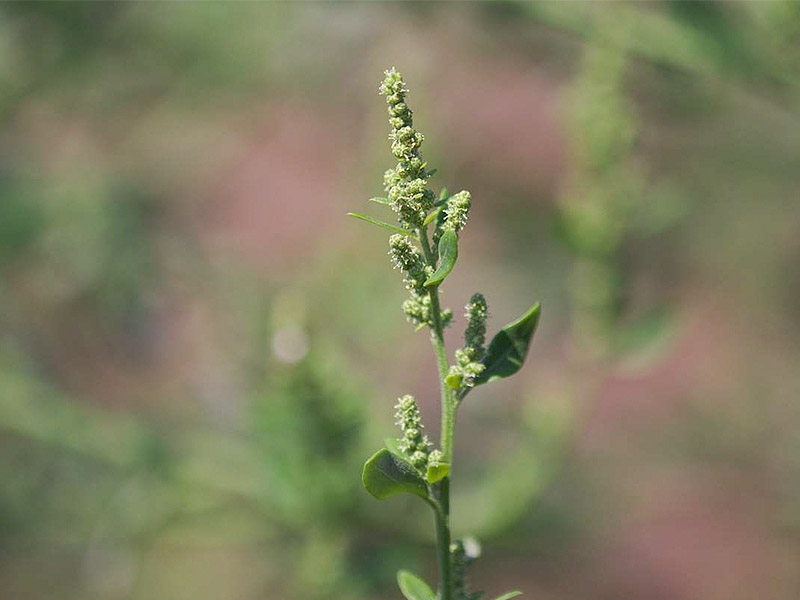
Atriplex subcordata is a plant native to coastal areas and halophyte regions in Northeast Asia, including Korea. The following is information regarding this plant's growth characteristics, propagation methods, cultivation methods, garden uses, and important pests and diseases and control methods. - Growth Characteristics: - Atriplex subcordata is a perennial herbaceous plant that thrives primarily in saline coastal areas or wetlands. - It grows to a height of approximately 20 to 50 cm and generally has upright stems. - The leaves have a silvery sheen and possess a leaf structure specialized to withstand high salt content. - Propagation Methods: - It is primarily propagated by seeds. Seeds mature in early summer, fall naturally, and germinate into the next generation of plants. - Propagation by division is also possible if necessary. 3. Cultivation Method: - Well-drained, saline soil is suitable, and it is well-suited for cultivation in coastal areas or wetlands. - It prefers sunny locations, and it is best to water just enough to maintain moisture. - No special fertilizer is required, but applying a small amount of organic fertilizer during the early growth stage can be helpful. - Use in Gardens: - Due to its resistance to salt, it can be utilized in coastal gardens or salt marsh gardens. - It can also be used as a ground cover plant and blends harmoniously with other salt marsh plants. - Major Pests and Control Methods: - Salt marsh savory (Salt marsh savory) is relatively resistant to pests and diseases. - However, root rot or fungal problems may occur if the soil is excessively wet, so it is important to maintain proper drainage and ventilation. - If aphids or small pests occur, they can be controlled using eco-friendly pesticides or soapy water. The sea snail (subucordata) requires no special care and possesses the characteristic of growing well in natural environmental conditions. In the garden, it is best utilized in areas requiring salt tolerance.
Plant Type
Plant Family
Chenopodiaceae
Height
20~80cm
Spread
Colors
Green, yellow
Bloom Period
July to September
Water Needs
commonly
Exposure
Sunny
Freezing Resistance
-30°C
Large-flowered Atractylodes
Atractylodes macrocephala
Mudskipper
Atriplex gmelinii