English
한국어
English
Español
中文
हिंदी
Home
News
Community
Dictionary
English
한국어
English
Español
中文
हिंदी
View list
Atropa Belladonna
Atropa belladonna
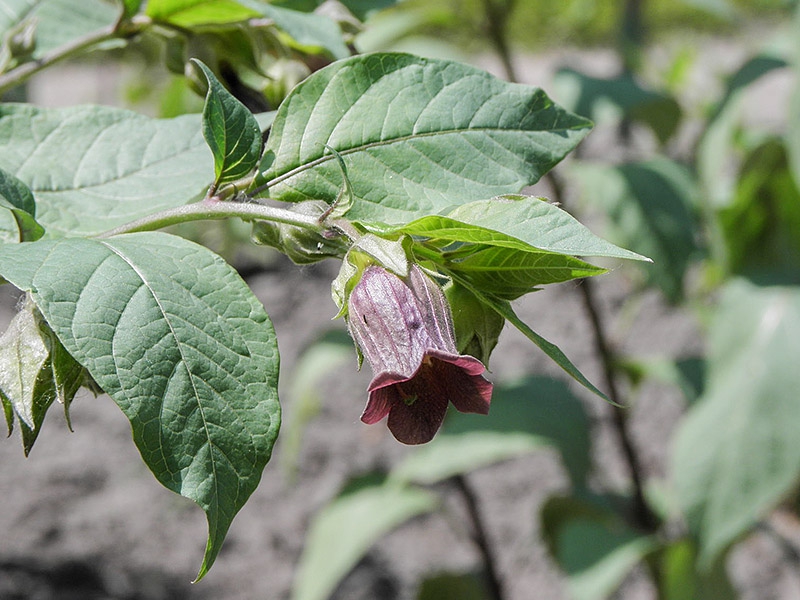
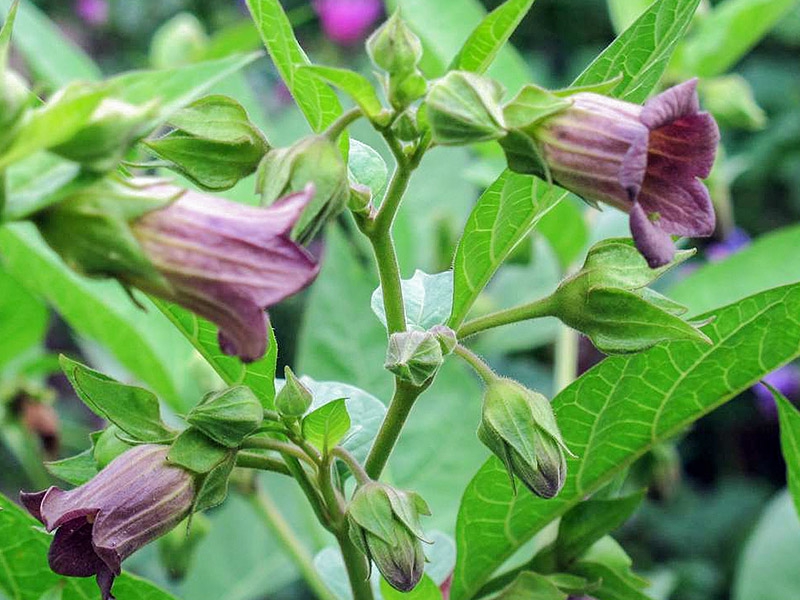
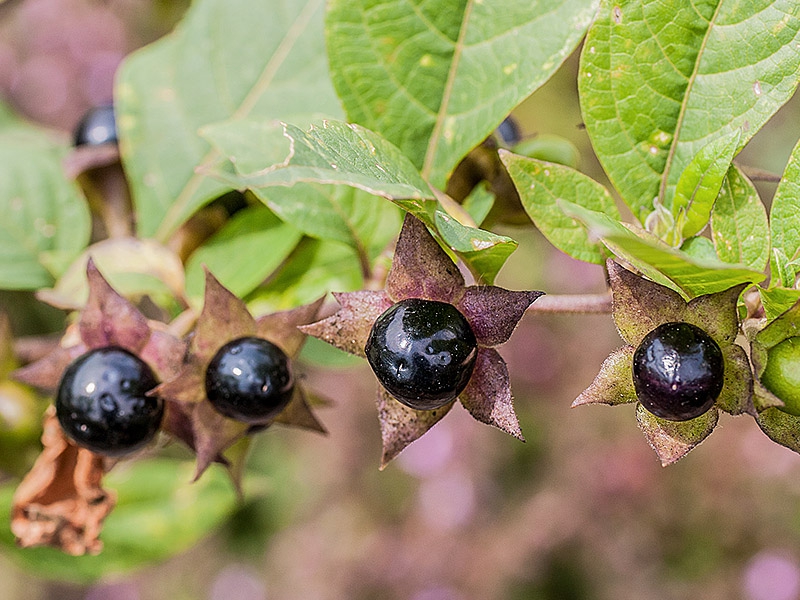
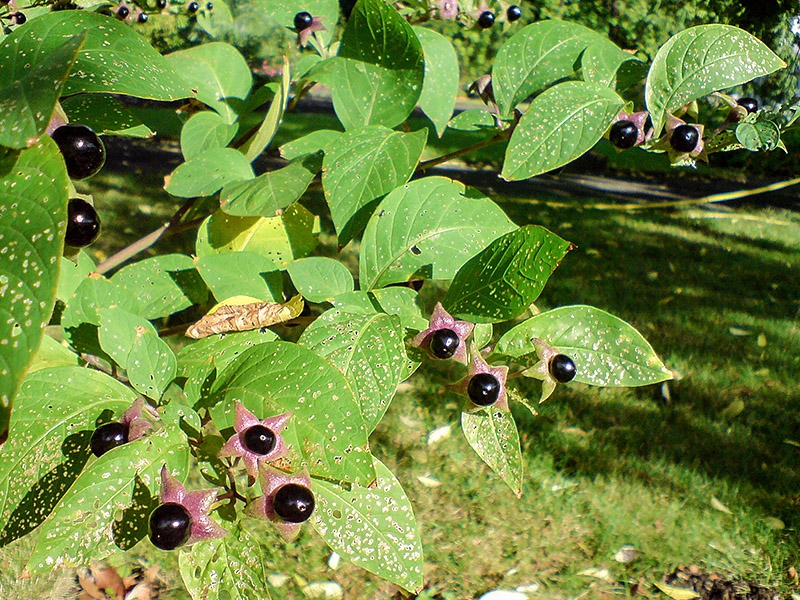
Growth Characteristics of Atropa Belladonna Atropa belladonna is a plant belonging to the Solanaceae family and is native primarily to Europe, North Africa, and West Asia. It typically reaches a height of 1 to 2 meters and features broad, oval leaves and bell-shaped purple flowers. It flowers from summer to early autumn, followed by the formation of small, black fruits. The entire plant is toxic, and the fruits, in particular, can have a strong effect on the nervous system and be fatal. Propagation Methods Atropa belladonna is primarily propagated by seeds. Seeds are obtained from mature fruits, and harvested seeds should be stored in a cool, dry place. They can be sown indoors in the spring or planted directly in the ground outdoors to germinate. Cold treatment can increase the germination rate. Cultivation Methods Belladonna thrives in fertile, well-drained soil. While it prefers sunny locations, it can grow in some shade. Watering should be done thoroughly whenever the soil is dry, and good drainage must be maintained. Regularly adding nutrient-rich organic fertilizer can promote healthy growth. Uses in the Garden Due to its toxicity, Atropa belladonna is primarily cultivated for medicinal plant gardens or research purposes rather than in home gardens. As it is a poisonous plant, children and pets must be kept out of its reach. A well-tended belladonna has ornamental value and can create a unique atmosphere when planted in a shady spot. Important Pests and Control Methods Major diseases include root rot and leaf blight. These diseases can be prevented by avoiding excessive moisture and maintaining a healthy drainage system. Periodic soil disinfection and the use of appropriate pesticides are also effective. Among insects, aphids and moth larvae can attack belladonna. To control them, natural predators or appropriate insecticides are used. It is important to prevent early damage by regularly checking the plant's condition. By properly managing Atropa belladonna based on this information, you can grow a unique and attractive plant in a healthy state. However, caution must be exercised in use and cultivation due to the plant's toxicity.
Plant Type
Plant Family
Solanaceae
Height
1.5m
Spread
Colors
purple
Bloom Period
July to September
Water Needs
commonly
Exposure
semi-shaded area
Freezing Resistance
-10°C
Atreflex hortensis
Atriplex hortensis
Aubrietta deltoidea
Aubrieta deltoidea