English
한국어
English
Español
中文
हिंदी
Home
News
Community
Dictionary
English
한국어
English
Español
中文
हिंदी
View list
Wild oats
Avena fatua
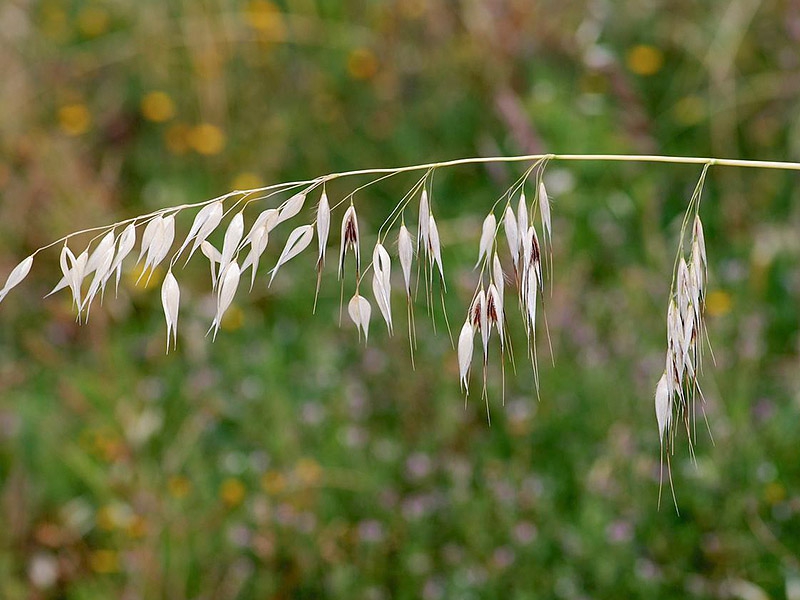
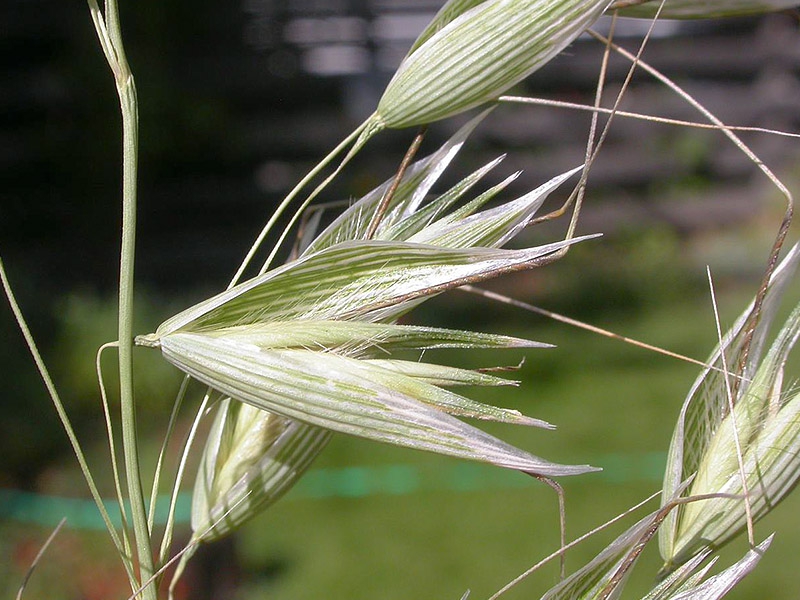
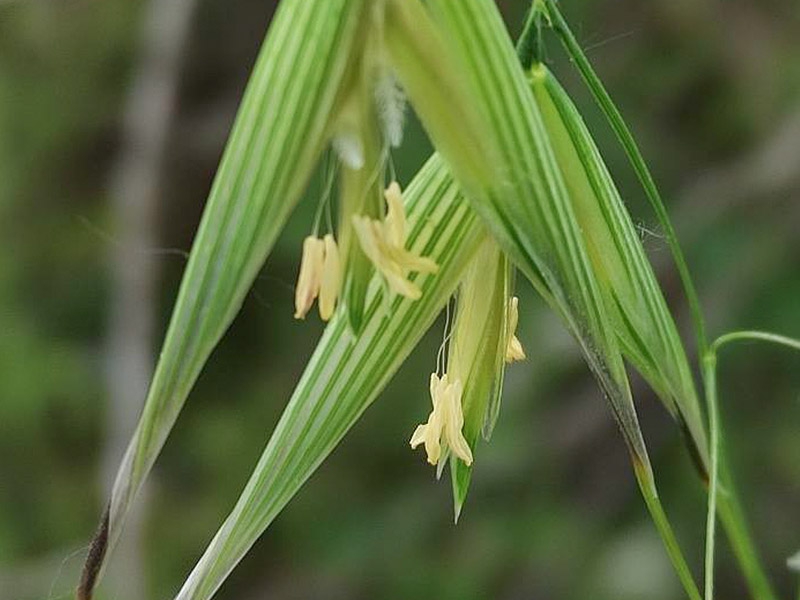
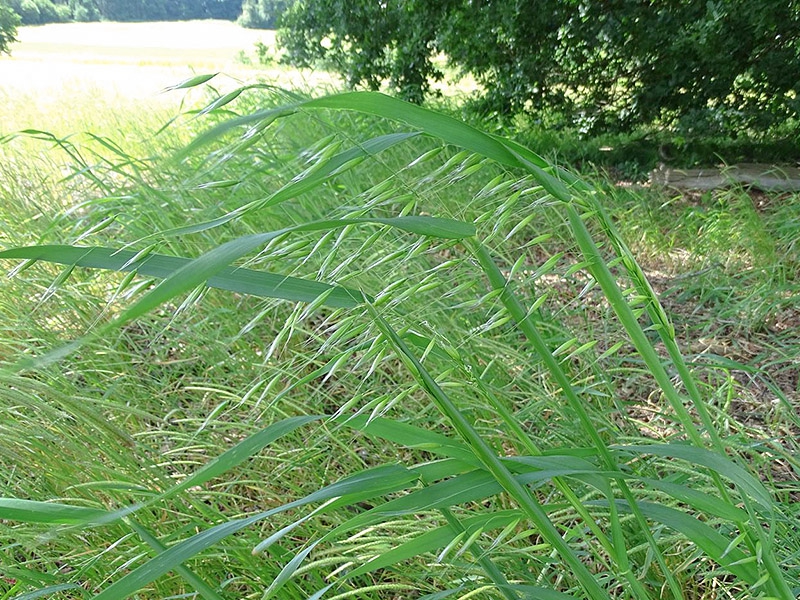
Avena fatua primarily possesses the following growth characteristics and propagation methods: Growth Characteristics - Growing Environment: Avena fatua thrives in mostly temperate climates and can adapt to both dry and wet conditions. Soil drainage is important, and it grows better in fertile soil. - Growth Habits: This plant is an annual herb that grows in clumps of stems and can reach a height of approximately 1 meter. Propagation Methods - Seed Propagation: It is primarily propagated by seeds. It is best to sow seeds in autumn or early spring. - Natural Germination: In natural conditions, the seeds tend to splatter and spread easily to surrounding areas. Cultivation Methods - Sowing Time: Sow in autumn or early spring, depending on the local climate. - Soil Management: Prepare the soil for proper drainage and use fertilizer as needed to increase fertility. - Water Management: Consistent watering is required during the early growing season, but excessive moisture should be avoided. Uses in the Garden - Ornamental: Due to its unique appearance, Wild Oat Patois can be used as an ornamental grass. - Soil Protection: It can be used as a cover crop to prevent soil erosion. Important Pests and Control Methods - Diseases: Major diseases include fungal diseases affecting the leaves; appropriate fungicides should be used when necessary. - Pests: Pests such as aphids may occur; to control them, use appropriate insecticides or apply Integrated Pest Management (IPM) methods. - Prevention: Maintaining sufficient ventilation and proper spacing is important to reduce the occurrence of pests and diseases. Based on these characteristics, you will be able to cultivate and utilize Wild Oat Patois effectively.
Plant Type
Plant Family
Poaceae
Height
30~150cm
Spread
Colors
Green, white
Bloom Period
April to June
Water Needs
commonly
Exposure
Sunny
Freezing Resistance
-20°C
oats
Avena sativa
Dapsari
Axyris amaranthoides