English
한국어
English
Español
中文
हिंदी
Home
News
Community
Dictionary
English
한국어
English
Español
中文
हिंदी
View list
Beonhaengcho
Tetragonia tetragonioides
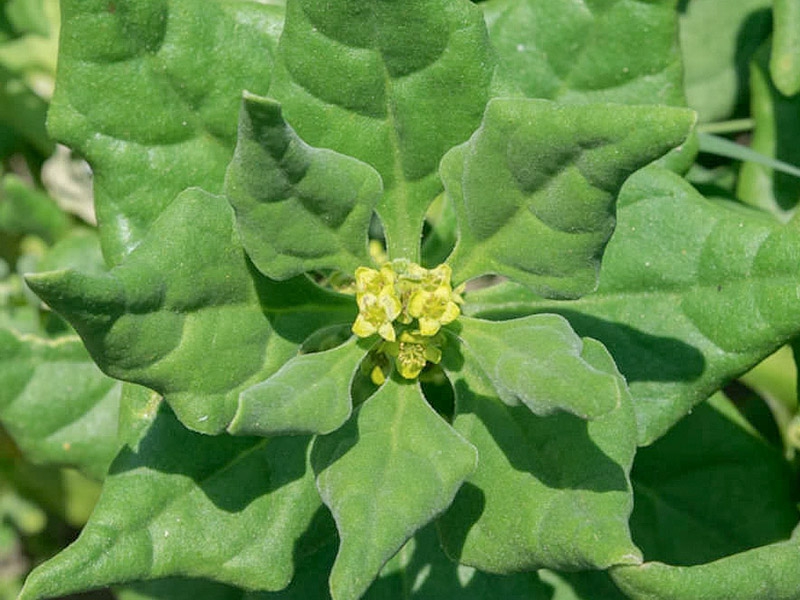
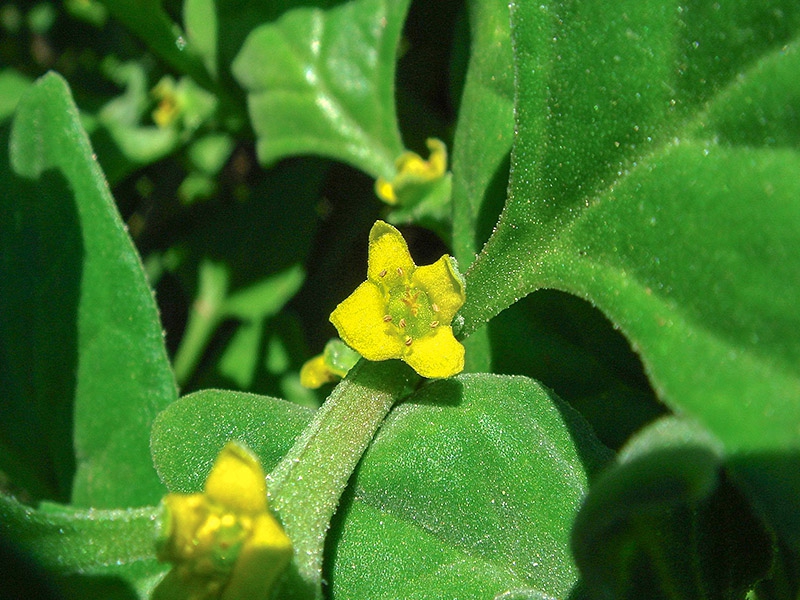
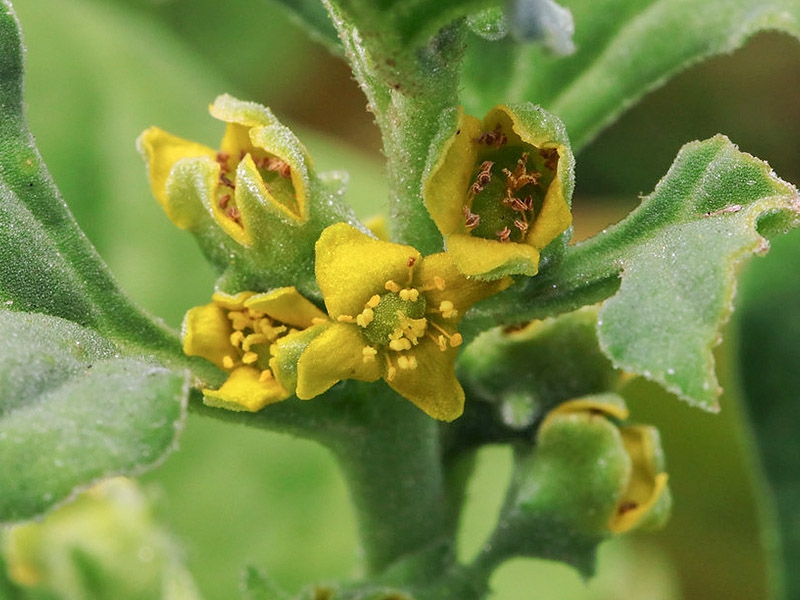
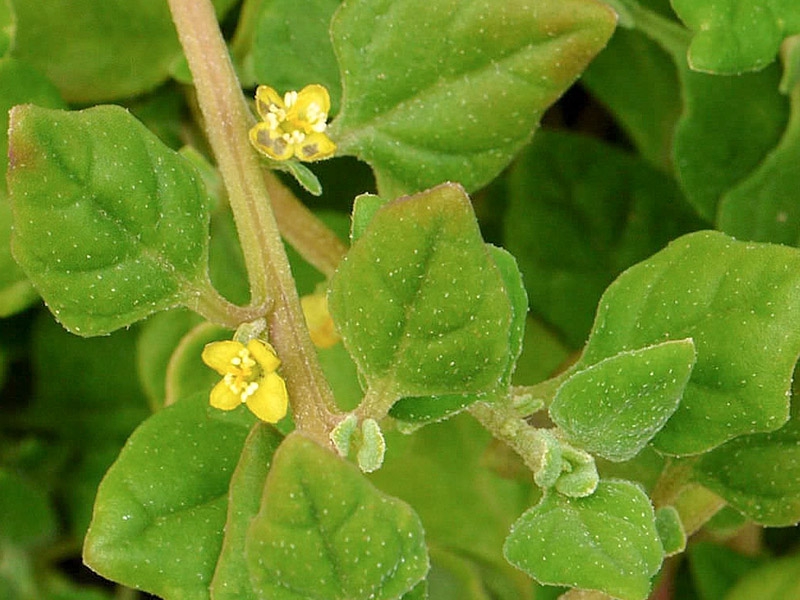
Tetragonia tetragonioides is a plant native primarily to coastal areas of the Southern Hemisphere and is also known by names such as Tetragonia and New Zealand Spinach. Below is information regarding this plant's growth characteristics, propagation and cultivation methods, garden uses, and major pests and control methods. Growth Characteristics - Growing Environment: Tetragonia thrives even in sandy or saline soils along the coast. It prefers sunny locations and possesses strong drought tolerance, allowing it to withstand dry environments. - Growth Habits: As a vining plant, it grows by covering the ground or climbing up other objects. It generally grows to a height of 10–30 cm and can spread horizontally up to 1–2 meters. Propagation Methods - Seed Propagation: Tetragonia propagates by seeds, which are best sown in the spring. Germination occurs well in warm temperatures and usually takes about 10–14 days. - Cuttings: Propagation is possible via cuttings if needed. If you cut a healthy stem and plant it in the ground, new roots will develop. Cultivation Method - Soil: Well-drained soil is suitable. It grows well in sandy soil or soil containing a small amount of salt. - Watering: While it can adapt to dry environments, consistent watering is required during the early growth stages. - Fertilizer: No special fertilizer is necessary, but it is recommended to apply general plant fertilizer occasionally to promote growth. Garden Use - In the garden, it can be used as a ground cover. Its salt tolerance, which allows it to withstand sea breezes, makes it ideal for creating coastal gardens. Additionally, as it is a vining plant, it can be used to climb trellises. Important Pests and Control Methods - Pests and Diseases: It is generally resistant to common pests and diseases, but aphids may appear on the leaves. - Control Methods: If aphids occur, you can use organic insecticides or physically remove them by spraying water. Generally, pest and disease control is not difficult, but it is important to inspect the plants periodically. Tetragonia is a convenient plant that grows healthily with minimal care, and if the environment is properly prepared, it can be utilized in various ways in the garden.
Plant Type
Plant Family
Pomegranate family
Height
40~60cm
Spread
Colors
yellow
Bloom Period
March to September
Water Needs
commonly
Exposure
Sunny
Freezing Resistance
-5°C
Daphne
Ternstroemia gymnanthera
Tetranuris scaposa
Tetraneuris scaposa