English
한국어
English
Español
中文
हिंदी
Home
News
Community
Dictionary
English
한국어
English
Español
中文
हिंदी
View list
Brasavola Nodosa
Brassavola nodosa
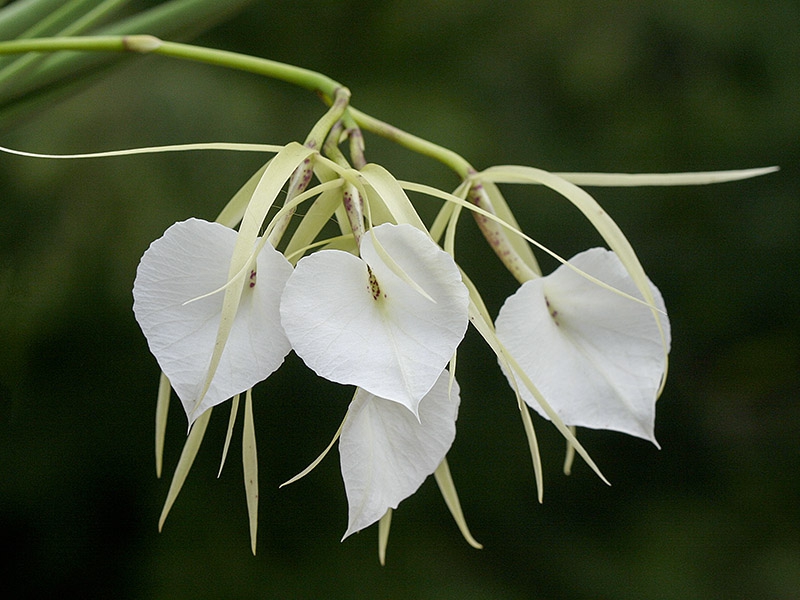
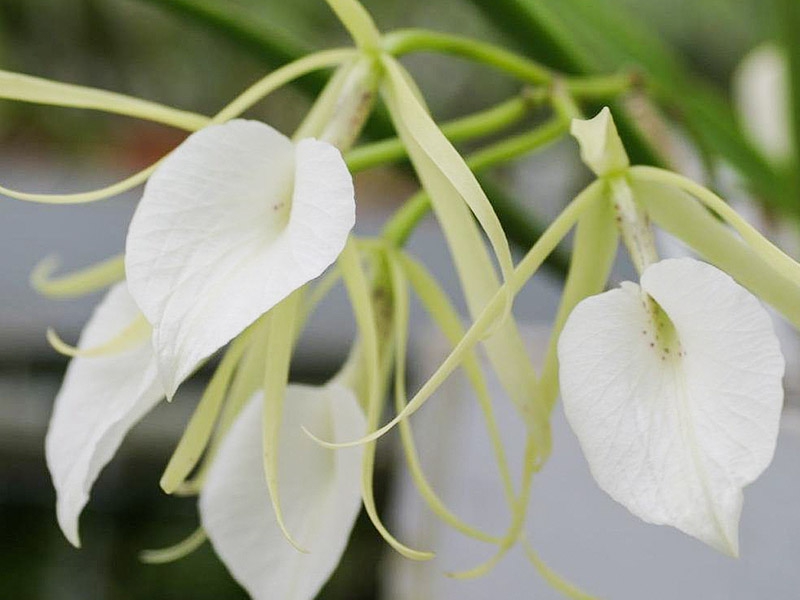
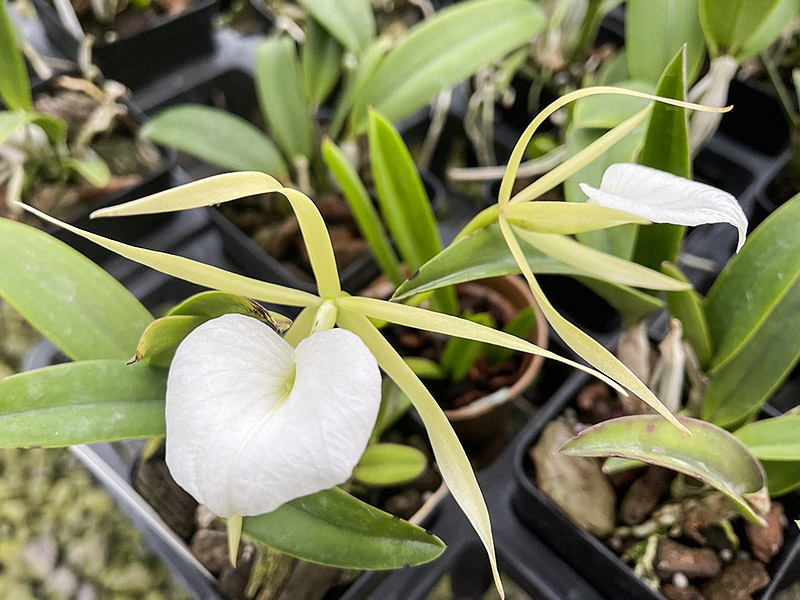
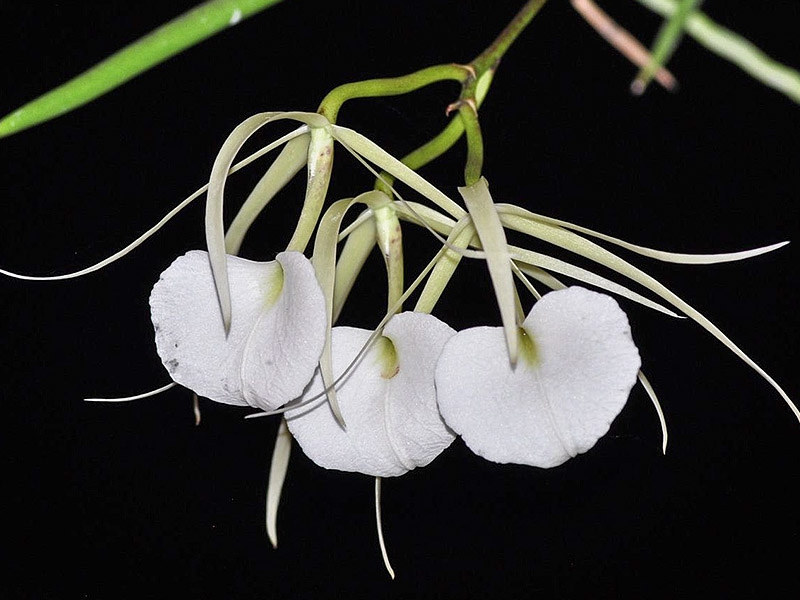
Growth Characteristics: Brassavola nodosa is a plant belonging to the Orchidaceae family and is native to Central and South America. This plant generally prefers warm and humid environments and thrives in bright partial shade. It grows best when air humidity is high and the temperature is around 18–25°C. The leaves are thin, slender, and elongated, and the flowers are white that emit a strong fragrance at night. Propagation Method: Brassavola nodosa can primarily be propagated by division. Separate a few healthy bulbs from a mature plant and plant them in a new pot. Take care not to damage the bulbs and provide sufficient water to help the new plant establish itself. Cultivation Method: This plant requires well-draining potting soil and can also be grown attached to cork or pieces of wood. Water once or twice a week, taking care not to overwater. In particular, the frequency of watering should be reduced during the winter. Brassavola nodosa requires bright indirect light, and direct sunlight should be avoided. During the growing season, it is recommended to provide orchid fertilizer about once or twice a month. Uses in the Garden: Brassavola nodosa is popular for gardens or indoor decoration due to its unique and elegant flowers. When grown indoors, placing it near a window or in a bright space can maximize its decorative effect. Important Pests and Control Methods: Brassavola nodosa is generally resistant to pests and diseases, but it may occasionally be attacked by scale insects and aphids. These pests can be controlled by physically removing them or using appropriate insecticides. Root rot can occur due to overwatering, so this can be prevented by ensuring good drainage and adjusting the frequency of watering.
Plant Type
Plant Family
Orchid family
Height
30~60cm
Spread
10cm
Colors
white
Bloom Period
September to February
Water Needs
commonly
Exposure
semi-shaded area
Freezing Resistance
-5°C
birch tree
Betula schmidtii
Brasavola Martiana
Brassavola martiana