English
한국어
English
Español
中文
हिंदी
Home
News
Community
Dictionary
English
한국어
English
Español
中文
हिंदी
View list
Tetranuris scaposa
Tetraneuris scaposa
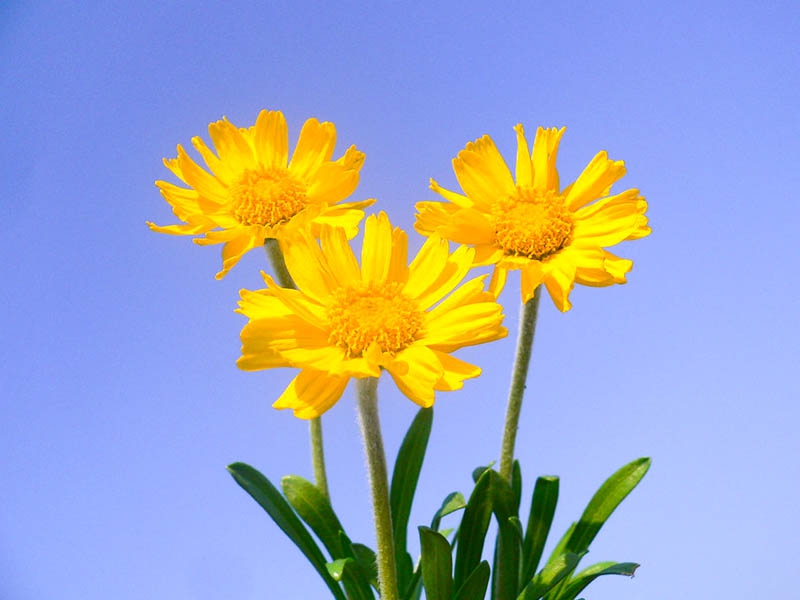
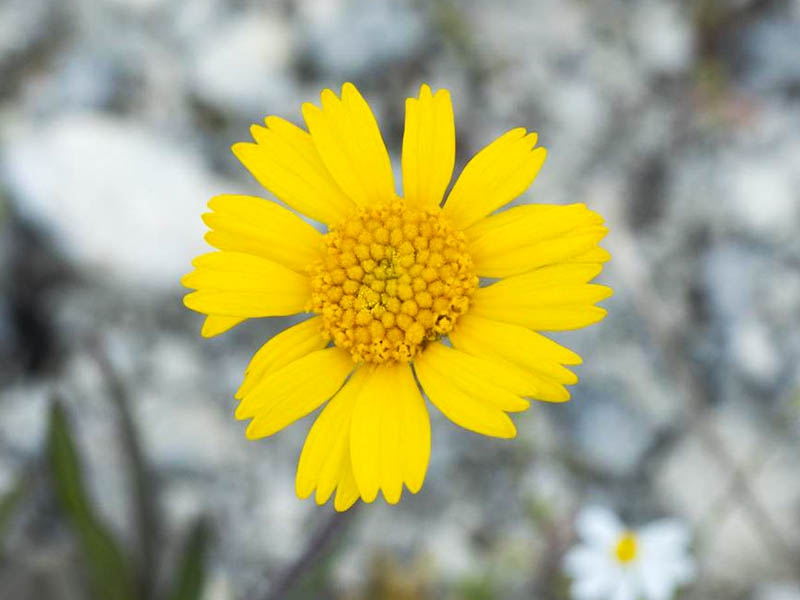
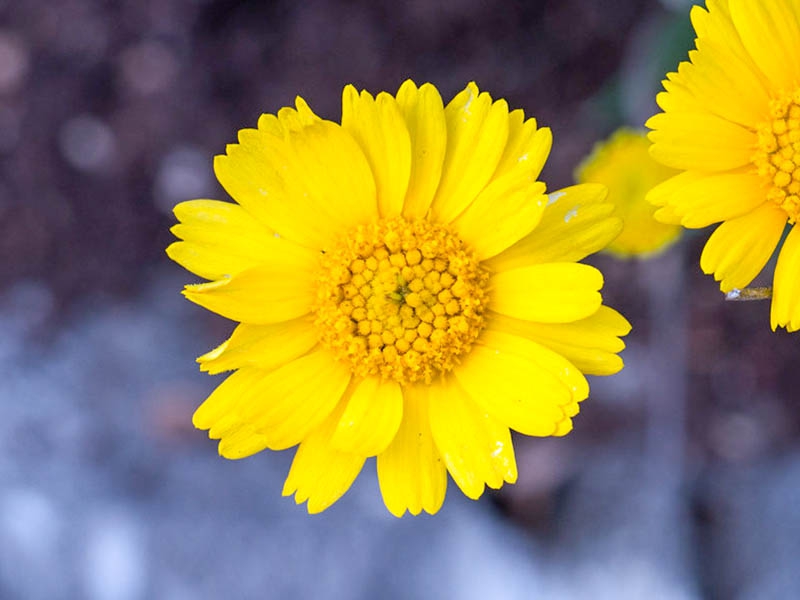
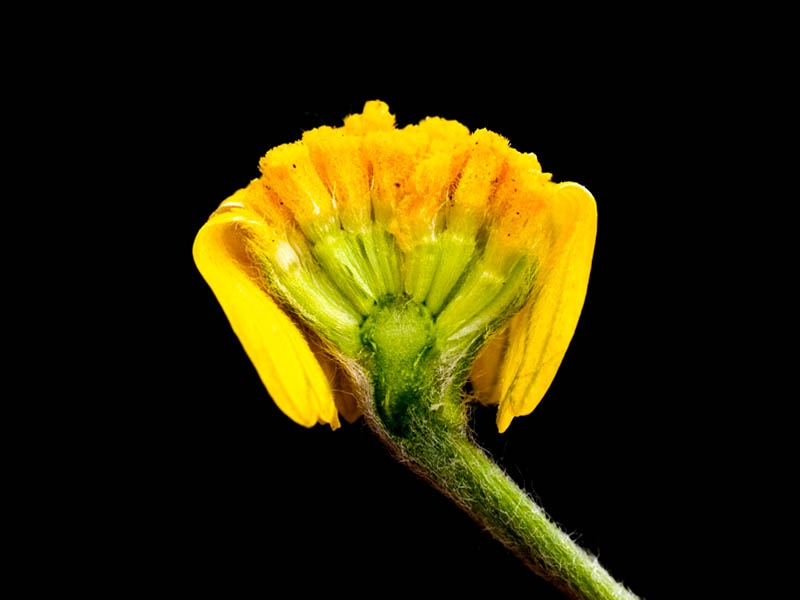
Growth Characteristics of Tetraneuris scaposa Tetraneuris scaposa is a perennial herbaceous plant native to North America that grows up to approximately 30 cm in height. This plant thrives primarily in dry, rocky areas and produces delicate yellow flowers. It blooms from summer to early autumn and grows healthily in sunny locations. Propagation Methods It can be propagated by seeds and root division. Seeds should be sown in the spring, and consistent humidity should be maintained until germination. Root division is suitable for spring or autumn, and the plants should be divided and replanted when growth is vigorous. Cultivation Methods Tetraneuris scaposa grows well in well-drained soil. Although it is drought-tolerant, consistent watering is required immediately after planting. Planting it in a location with ample sunlight will result in more abundant blooms. While fertile soil is preferable, it tolerates poor soil conditions. Garden Use This plant tolerates strong sunlight and dry environments well, making it suitable for rock gardens or dry regions. It can also be used in border flowerbeds, wildflower gardens, and naturalistic gardens. The yellow flowers pair well with other colored plants, creating a bright atmosphere. Important Pests and Control Methods Tetranuris scaphosa is a relatively pest-resistant plant, but it can be attacked by certain parasites or fungi. Since excessive humidity can cause root rot or fungal diseases, it is important to maintain a well-drained environment. Remove affected parts immediately upon discovery, and use fungicides if necessary. Regular ventilation and proper watering help with disease management.
Plant Type
Plant Family
Asteraceae
Height
20~30cm
Spread
25~30cm
Colors
yellow
Bloom Period
March to August
Water Needs
commonly
Exposure
Sunny
Freezing Resistance
-30°C
Beonhaengcho
Tetragonia tetragonioides
Tetraneuris akaulis
Tetraneuris acaulis