English
한국어
English
Español
中文
हिंदी
Home
News
Community
Dictionary
English
한국어
English
Español
中文
हिंदी
View list
Bacaurea Lacemosa
Baccaurea racemosa
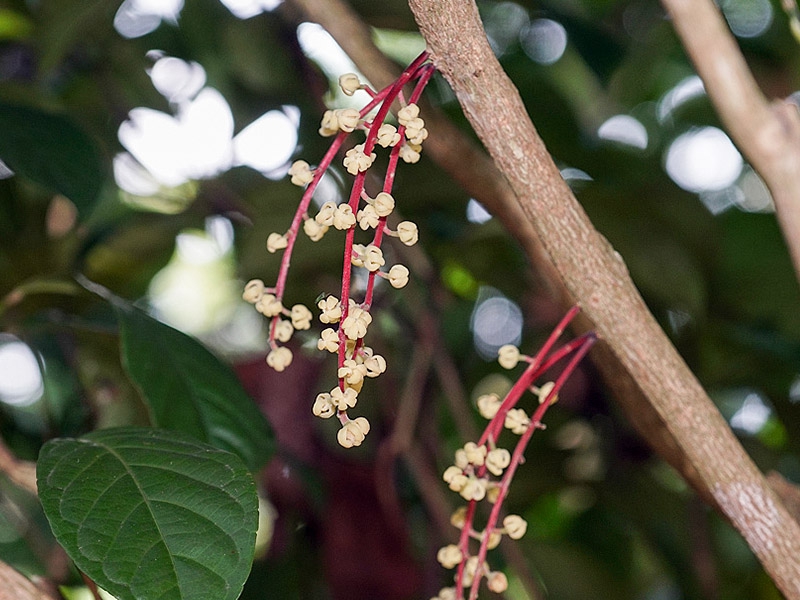
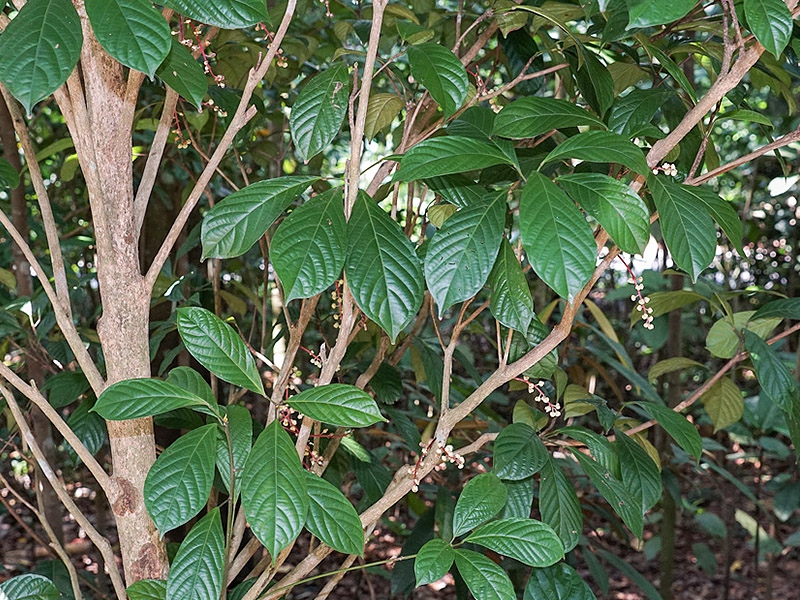
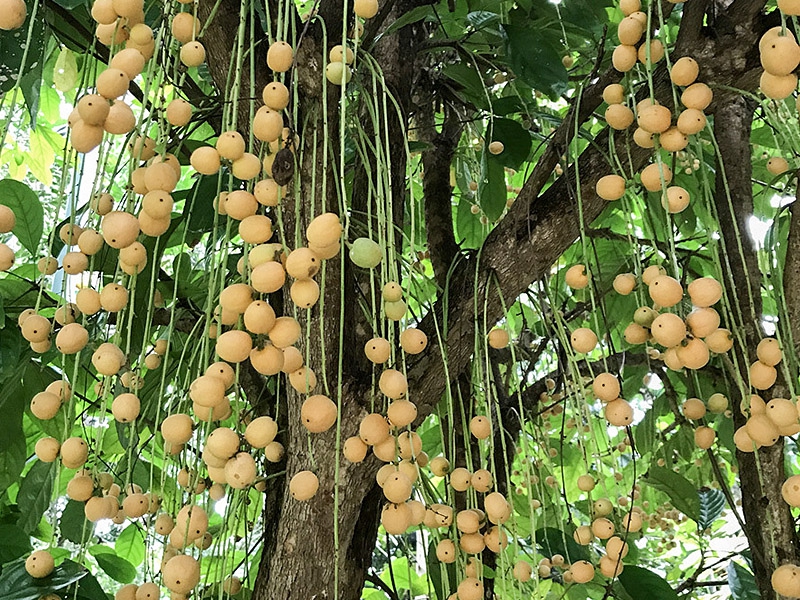
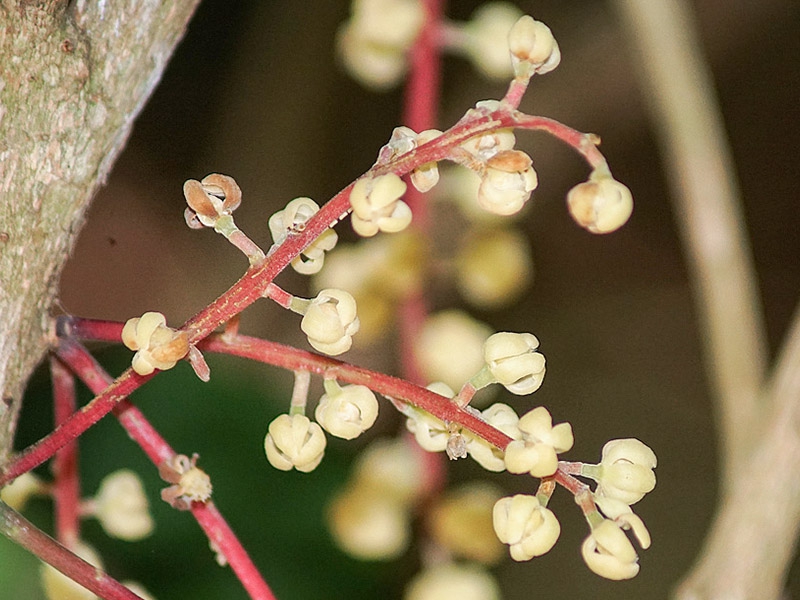
Baccaurea racemosa is an evergreen plant that grows primarily in tropical Asia and is widely used in gardens due to its beautiful flowers and fruits. The following outlines the plant's main growth characteristics, propagation methods, cultivation techniques, garden uses, and major pests and diseases, as well as control methods. Growth Characteristics - Environment: Baccaurea racemosa thrives in hot and humid tropical climates. - Soil: It prefers well-drained soil and grows healthier in soil rich in organic matter. - Sunlight: It grows well in partial shade, but grows more vigorously when exposed to sufficient sunlight. Propagation Methods - Seed Propagation: It can be propagated using seeds obtained from mature fruits. After thoroughly washing the seeds, mix them with a small amount of sand to induce germination. - Cuttings: Stem cuttings are also used for propagation, and it is recommended to perform this during the period of vigorous growth. Cultivation Methods - Planting: When planting, cover the area around the roots sufficiently and ensure good drainage. - Watering: Water regularly during dry periods; mulching around the roots helps retain moisture. - Fertilizer: It is recommended to provide organic fertilizer regularly during the growing season. Garden Uses - Ornamental: Its beautiful leaves, flowers, and fruit make it suitable for use as a garden or park tree. - Fruit: The fruit is edible and is primarily processed into jam or jelly. Important Pests and Control Methods - Diseases: It can contract fungal diseases such as leaf blight. To prevent this, ensure good ventilation and remove infected parts immediately. - Pests: It may be attacked by pests such as aphids; in such cases, regular pest control is required. - General Control: Using naturally derived protein insecticides or non-biosynthetic products is effective. Bacaurea racemosa can grow healthily under proper care and environmental conditions. When introducing this plant to the garden, it is important to take appropriate measures to suit the local climate and environment.
Plant Type
Plant Family
Foxtail family
Height
20m
Spread
25~70cm
Colors
yellow
Bloom Period
December to January
Water Needs
commonly
Exposure
Sunny
Freezing Resistance
-2°C
Brasavola Cuculata
Brassavola cucullata
Baccharis Sarotroides
Baccharis sarothroides