English
한국어
English
Español
中文
हिंदी
Home
News
Community
Dictionary
English
한국어
English
Español
中文
हिंदी
View list
Bakaris Philularis
Baccharis pilularis
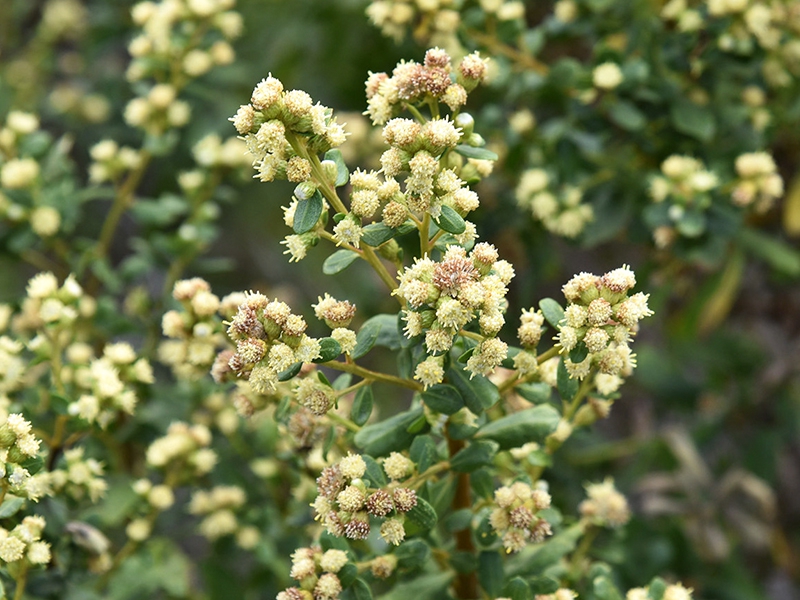
Baccharis pilularis, commonly known as the Coyote Brush, is an evergreen shrub native primarily to the western coastal regions of North America. The following describes the plant's growth characteristics, propagation methods, cultivation methods, garden uses, major pests and diseases, and control methods. - Growth Characteristics: - Environment: Baccharis pilularis thrives even in dry and windy environments, such as coastal regions. - Soil: It can grow in a variety of well-drained soils and can also grow in poor soil. - Sunlight: It grows best in sunny locations but can adapt to partial shade to some extent. - Drought Tolerance: It is relatively drought-tolerant and tolerates dry seasons well. - Propagation Methods: - Seeds: It can be propagated using seeds, which have a relatively high germination rate. Seeds mature in the autumn and can be sown immediately thereafter. - Cuttings: You can propagate it by cutting branches in spring or summer. - Cultivation Methods: - Planting: It is best to plant in spring or autumn. When planting, ensure there is sufficient space between each plant. - Watering: Once established, it requires very little water; it is best to water only when the soil is completely dry. - Fertilizer: While separate fertilizer is not necessary in fertile soil, a moderate amount of organic fertilizer can be helpful during the early stages of growth. - Garden Uses: - Border Plant: Baccharis phylluralis is excellent as a hedge or border plant. - Windbreak: It acts as a windbreak and is useful for improving aesthetics. - Wildlife Habitat: When in bloom, it provides a good habitat for bees and butterflies, and small birds feed on the seeds. - Major Pests and Control Methods: - Baccharis phylluralis is a relatively resistant plant to pests and diseases. - Some pests may occur, but they do not cause serious damage. - If detected early, you can wash it off with water or use an appropriate pesticide if necessary. Since this plant grows well with minimal care, it is suitable for adding a natural touch to your garden.
Plant Type
Plant Family
Asteraceae
Height
20~240cm
Spread
180~240cm
Colors
white
Bloom Period
March to August
Water Needs
Bad
Exposure
Sunny
Freezing Resistance
-10°C
Baccharis salicyfolia
Baccharis salicifolia
Bakaris Halimipolia
Baccharis halimifolia