English
한국어
English
Español
中文
हिंदी
Home
News
Community
Dictionary
English
한국어
English
Español
中文
हिंदी
View list
Balsalmorija Sagitata
Balsamorhiza sagittata
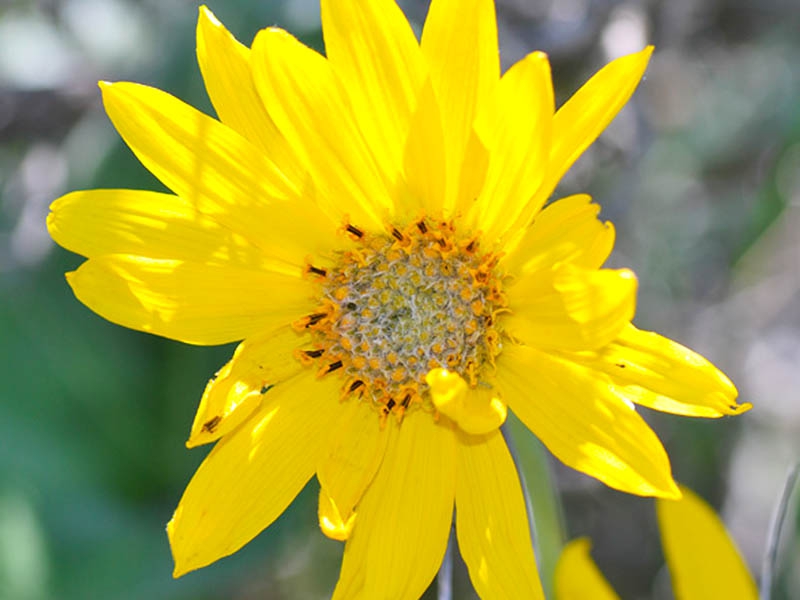
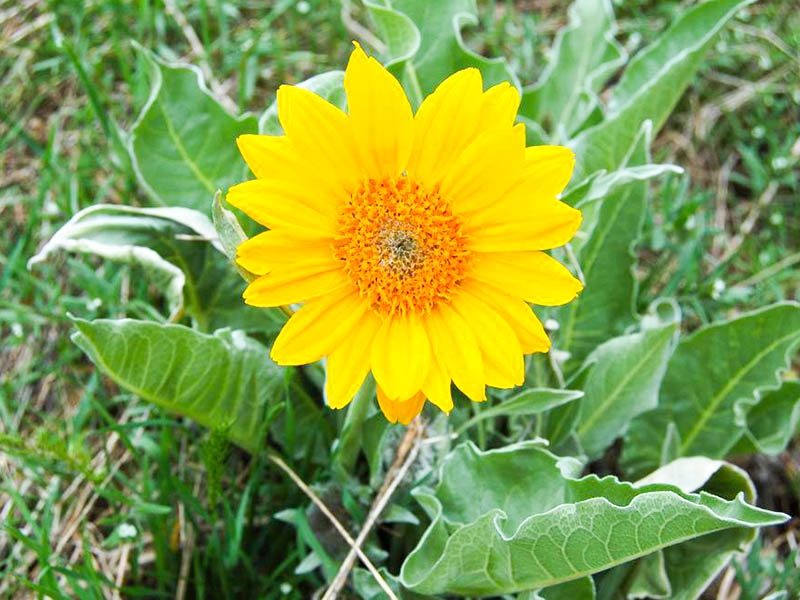
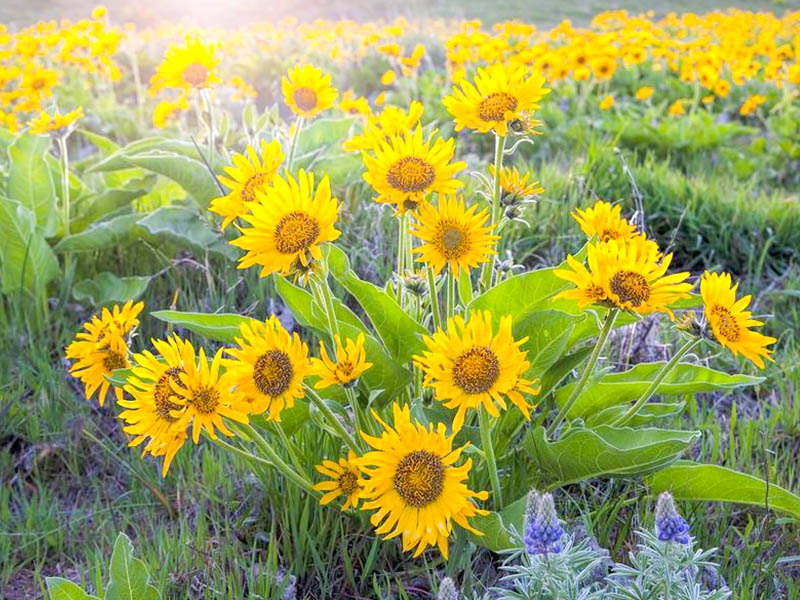
Characteristics and Care of Balsamorhiza sagittata Growth Characteristics Balsamorhiza sagittata is a perennial herbaceous plant native to western North America. It thrives primarily in dry grasslands or mountainous regions and is characterized by its deep roots, making it resistant to drought. It has excellent ornamental value due to its silvery-green leaves and yellow flowers, and grows to a height of approximately 30 to 60 cm. Propagation Methods This plant is primarily propagated by seeds, although root division is also possible. It is best to sow seeds directly in the spring or autumn; to increase germination rates, it is necessary to break seed dormancy through pre-cold treatment (low-temperature storage). Cultivation Methods It is ideal to plant in a sunny location. The soil should be well-drained, as excessive moisture can lead to root rot. Since it prefers a dry environment, watering should be minimized and only done during prolonged droughts. Garden Use Balsamoridae sagittata is a relatively easy-to-maintain plant, making it suitable for creating plant landscapes, natural gardens, and dry gardens. It is also used in wildflower gardens and for greening slopes. Major Pests and Control Methods Major pests include spider mites and aphids, and root rot caused by excessive moisture should also be monitored. Proper ventilation and drainage are essential to prevent these issues. Natural control methods include using natural enemies or, if necessary, applying organic insecticides. When using chemical control, ensure safe application according to the product's instructions.
Plant Type
Plant Family
Asteraceae
Height
30~60cm
Spread
Colors
yellow
Bloom Period
May to July
Water Needs
commonly
Exposure
Sunny
Freezing Resistance
-30°C
Bailya Multiradiata
Baileya multiradiata
Bambusa Ventricosa
Bambusa ventricosa McClure