English
한국어
English
Español
中文
हिंदी
Home
News
Community
Dictionary
English
한국어
English
Español
中文
हिंदी
View list
Tetraneuris akaulis
Tetraneuris acaulis
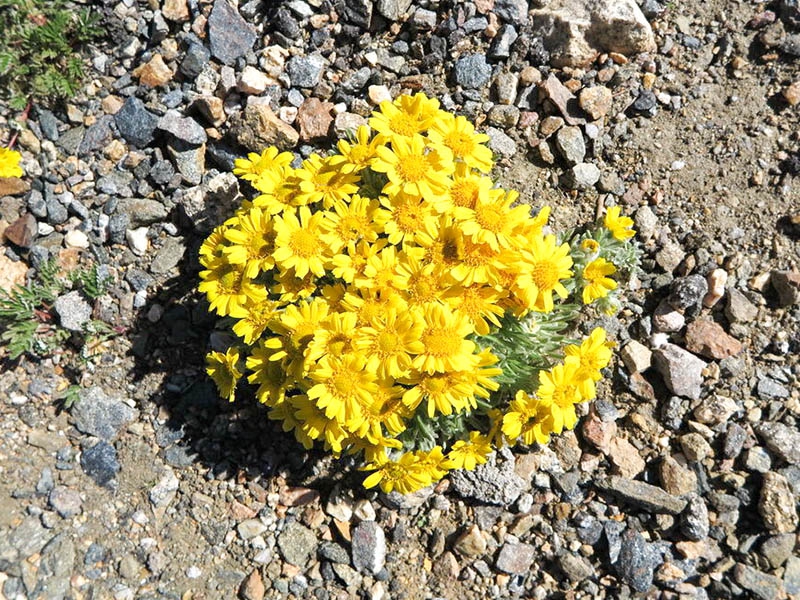
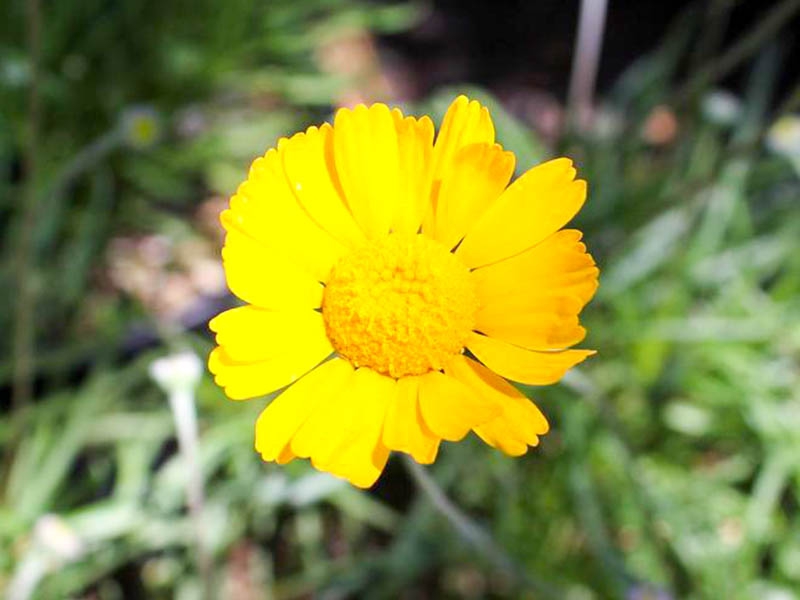
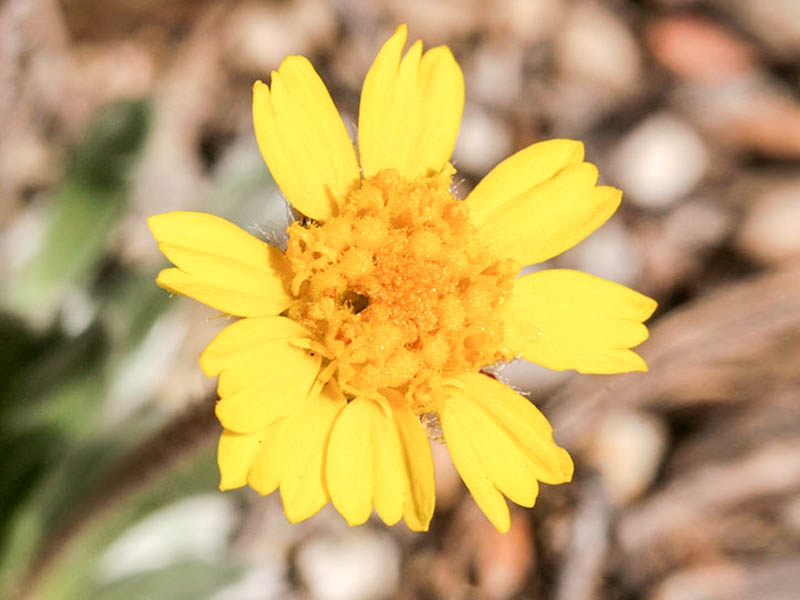
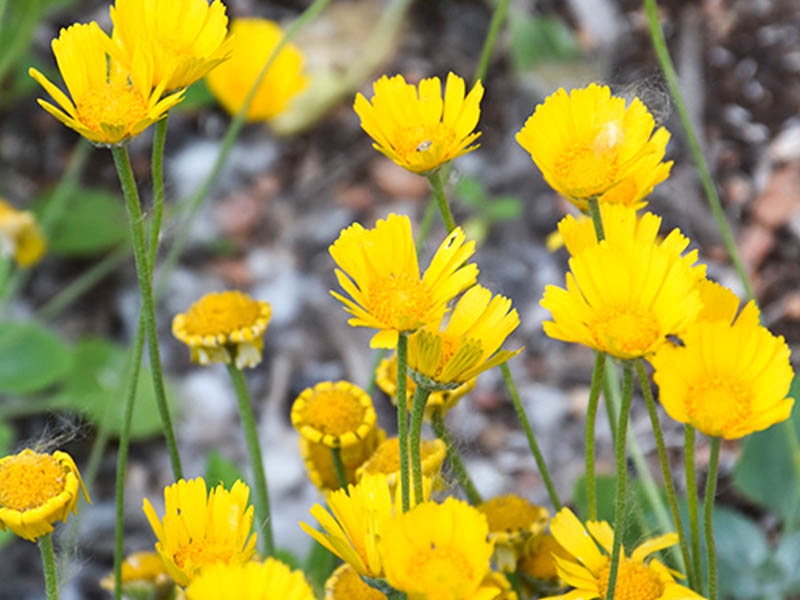
Growth Characteristics of Tetraneuris acaulis: Tetraneuris acaulis is a perennial herbaceous plant belonging to the Asteraceae family, native primarily to dry regions of North America. This plant grows to a height of approximately 10 to 30 cm and typically features leaves emerging directly from the roots. The leaves are linear or narrowly lanceolate and are grayish-green in color. The flowers are yellow and consist of capitulum inflorescences that bloom from late spring through summer. Propagation Methods: Tetraneuris acaulis is primarily propagated by seeds. Seeds can be sown immediately after harvesting mature flowers or sown in the spring after chilling. It can also be propagated by root division. Root division is most effective when performed in spring or early summer. Cultivation Methods: This plant prefers locations with plenty of sunlight and thrives in dry, well-drained soil. Excessive moisture can actually hinder plant growth, so caution is advised. Rare additional fertilizer is required, and standard garden soil alone is sufficient for robust growth. Garden Uses: Tetranuris auclis is primarily used in rock gardens, as a border planting, or in gardens designed for dry conditions. Its yellow flowers provide a contrast to other plants, adding vibrancy to flowerbeds. Since it thrives in dry environments, it is easy to care for even in water-scarce regions. Important Pests and Control Methods: This plant is relatively resistant to pests and diseases. However, caution is required as root rot can occur if the soil is overwatered. If disease occurs, remove the infected parts and reduce watering to maintain a dry condition. Common pests include sap-sucking insects such as aphids; in this case, natural insecticides or manual removal are necessary.
Plant Type
Plant Family
Asteraceae
Height
25~30cm
Spread
30~60cm
Colors
yellow
Bloom Period
March to August
Water Needs
commonly
Exposure
Sunny
Freezing Resistance
-40°C
Tetranuris scaposa
Tetraneuris scaposa
Tongtalmok
Tetrapanax papyriferus