English
한국어
English
Español
中文
हिंदी
Home
News
Community
Dictionary
English
한국어
English
Español
中文
हिंदी
View list
Berberis
Berberis koreana
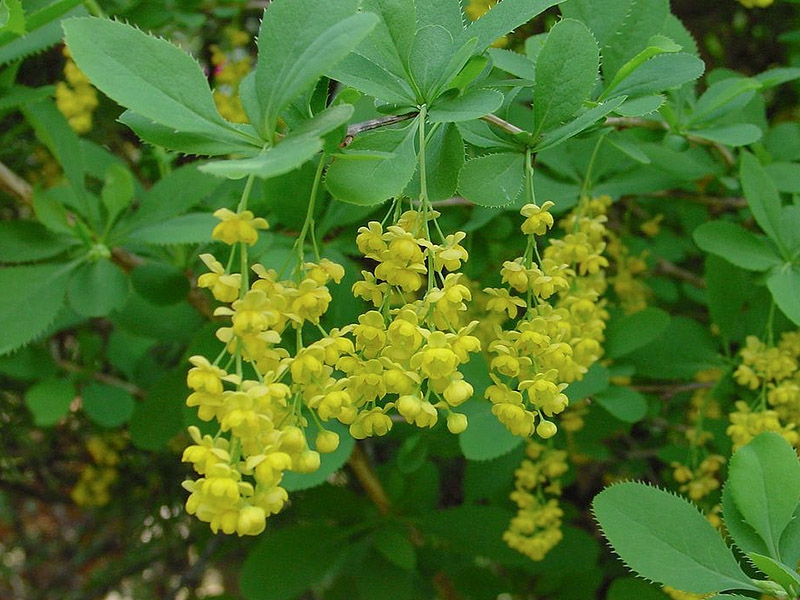
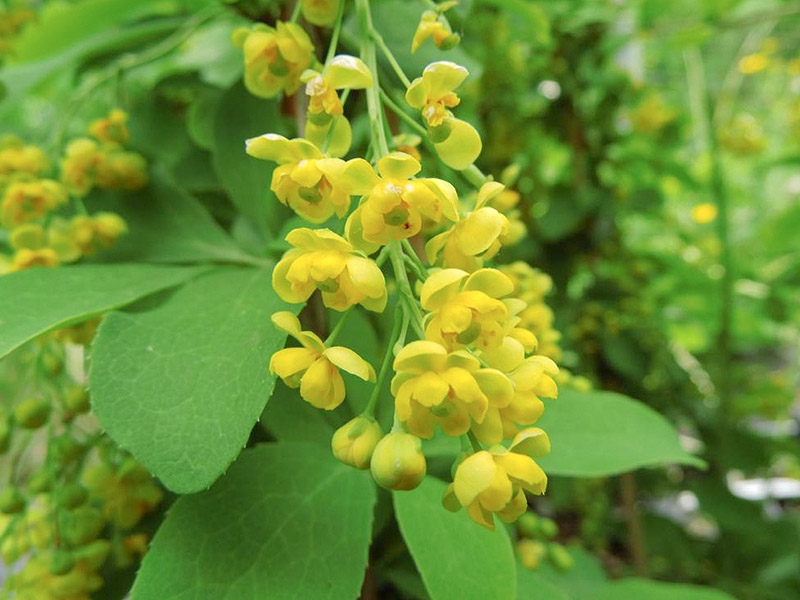
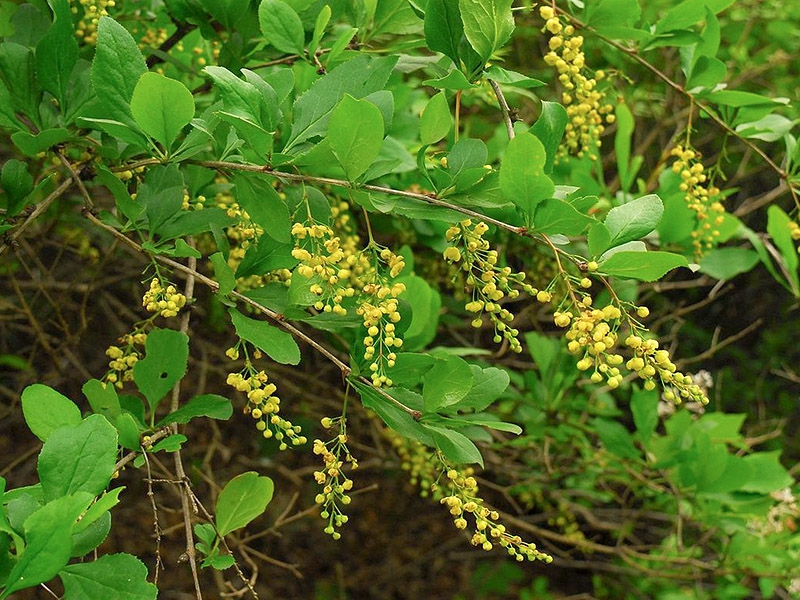
Growth Characteristics of Berberis koreana Berberis koreana is a deciduous broad-leaved shrub native to Korea, primarily found growing wild in mountainous areas. It typically grows to a height of 1 to 2 meters, and its branches are covered in sharp thorns. The leaves are alternate and oval-shaped, characterized by turning red in the autumn. The flowers are yellow and bloom around May, while the fruit ripens red in the autumn, making it decorative. Propagation Methods Berberis koreana is primarily propagated by seeds. Seeds can be collected from mature fruit and sown immediately, or stored in a refrigerator and sown the following spring. It can also be propagated by cuttings or division. Cuttings are taken by cutting branches in the spring or summer. Cultivation Methods Berberis koreana prefers sunny locations and thrives in well-drained soil. It is recommended to thoroughly till the soil and mix in organic fertilizer before planting. Water should be provided during dry periods, and fertilizing in spring and autumn can promote healthy growth. Since overcrowding can hinder air circulation and make the plant susceptible to pests and diseases, it is advisable to prune as needed. Uses in the Garden Barberry is a plant that prefers both shade and sunlight, making it suitable for boundary planting, hedges, or as a standalone tree. In particular, its red leaves and berries in autumn beautify the garden landscape. Additionally, due to its numerous thorns, it is effective in preventing intrusion when used as a hedge. Major Pests and Diseases and Control Methods Barberry is relatively resistant to pests and diseases, but basic pest management is necessary. Major diseases include leaf spot and fungal diseases, which can be controlled using fungicides in some cases. Aphids and mites may occur as insects, which should be controlled using appropriate insecticides. To prevent pests and diseases, it is important to avoid excessive moisture and maintain a well-ventilated environment. You can minimize the occurrence of pests and diseases through regular pruning and leaf removal.
Plant Type
Plant Family
Berberidaceae
Height
2m
Spread
Colors
yellow
Bloom Period
May
Water Needs
commonly
Exposure
Sunny
Freezing Resistance
-30°C
Japanese quince
Berberis chinensis
King hawk's claw tree
Berberis amurensis f. latifolia