English
한국어
English
Español
中文
हिंदी
Home
News
Community
Dictionary
English
한국어
English
Español
中文
हिंदी
View list
Hawk's claw tree
Berberis amurensis
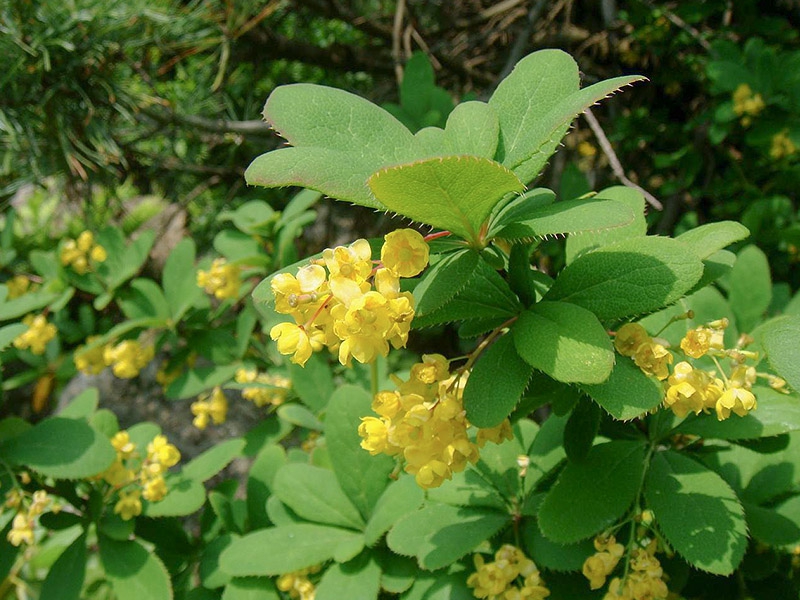
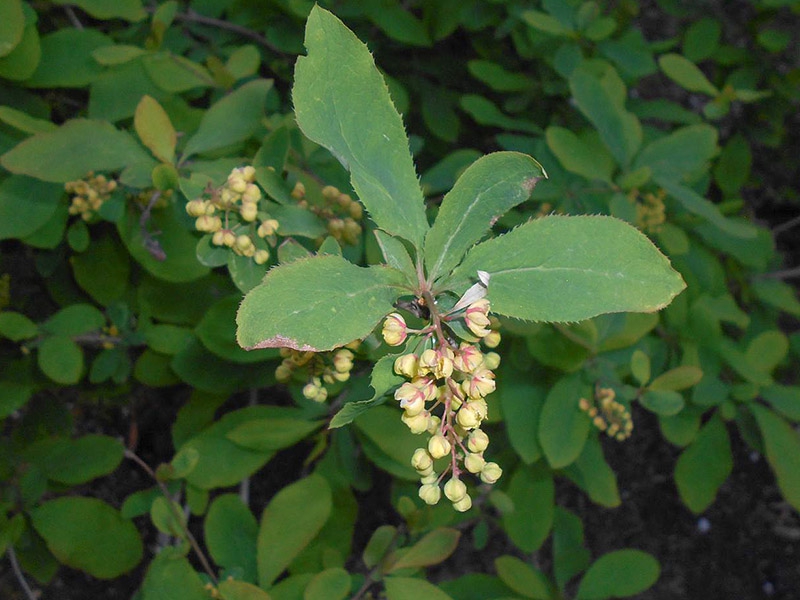
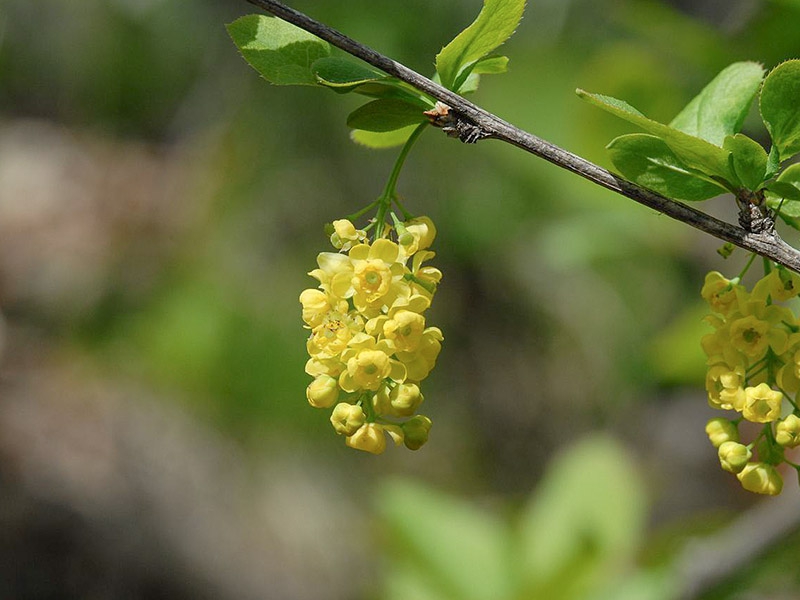
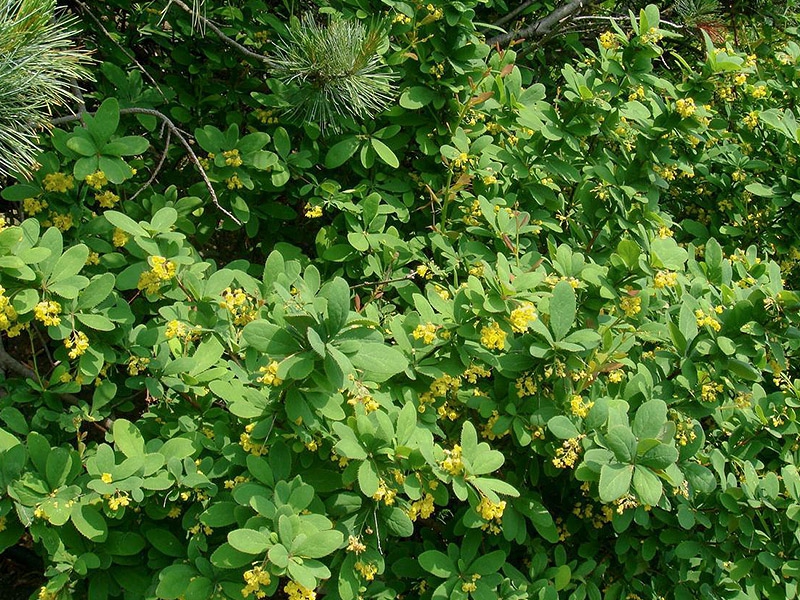
The growth characteristics, propagation methods, cultivation methods, garden uses, major pests and diseases, and control methods of Berberis amurensis are as follows. Growth Characteristics Berberis amurensis is a deciduous shrub that grows primarily in forests or on hills. It grows to a height of approximately 2 to 3 meters, and its leaves are oval-shaped with pointed tips. Yellow flowers bloom in spring, and red berries ripen in autumn. It is highly cold-hardy, tolerating cold climates, and thrives in a variety of locations ranging from partial shade to full sun. Propagation Methods Berberis amurensis is primarily propagated through seeds, cuttings, and layering. - Seeds: Seeds are extracted from fruits harvested in autumn and either planted immediately or germinated the following spring. - Cuttings: New branches are cut in summer and either rooted in water or planted directly in soil. - Layering: Branches are buried in soil in spring or autumn to form new plants. Cultivation Methods Hawthorn thrives in well-drained soil and prefers sunny locations. - Soil: Well-drained soil rich in organic matter is ideal. - Watering: Keep the soil moist, but be careful not to let it become waterlogged. - Fertilizer: Provide nutrients using compound fertilizer in the spring. - Pruning: Prune in the winter to promote growth and maintain its shape. Garden Uses Hawthorn is widely used in gardens as a boundary plant, hedge, and ornamental. It grows well in both shady and sunny areas, and its flowers and fruits provide a decorative effect. Important Pests and Control Methods Hawthorn amurensis can be susceptible to several pests and diseases. - Diseases: Leaf mold and rust may occur. If an outbreak occurs, manage the condition by using fungicides and removing infected leaves. - Pests: Damage may occur from aphids and wood borers. Manage the plant using control agents upon early detection, and perform regular preventive fungicide and insecticide treatments. I hope this information is helpful for growing or managing Columbine amurensis.
Plant Type
Plant Family
Berberidaceae
Height
2m
Spread
Colors
yellow
Bloom Period
May
Water Needs
commonly
Exposure
Sunny
Freezing Resistance
-30°C
King hawk's claw tree
Berberis amurensis f. latifolia
Japanese barberry
Berberis thunbergii