English
한국어
English
Español
中文
हिंदी
Home
News
Community
Dictionary
English
한국어
English
Español
中文
हिंदी
View list
Japanese barberry
Berberis thunbergii
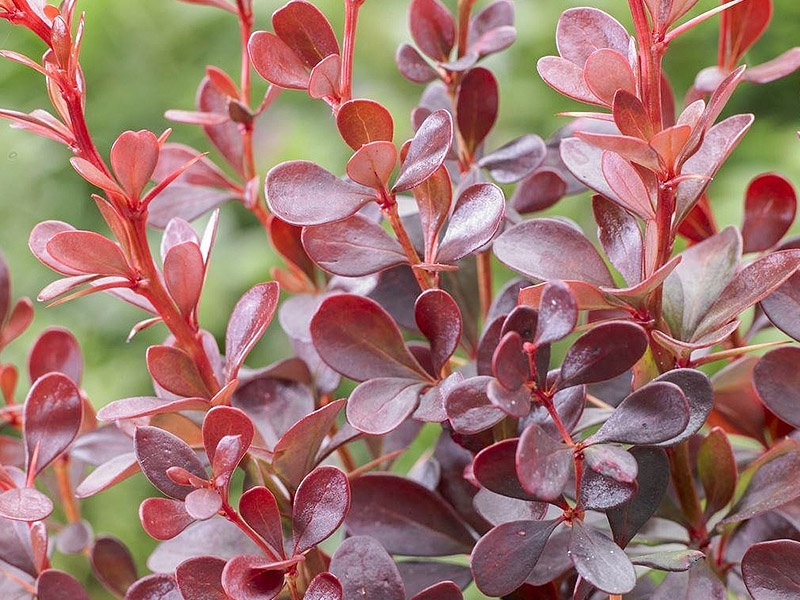
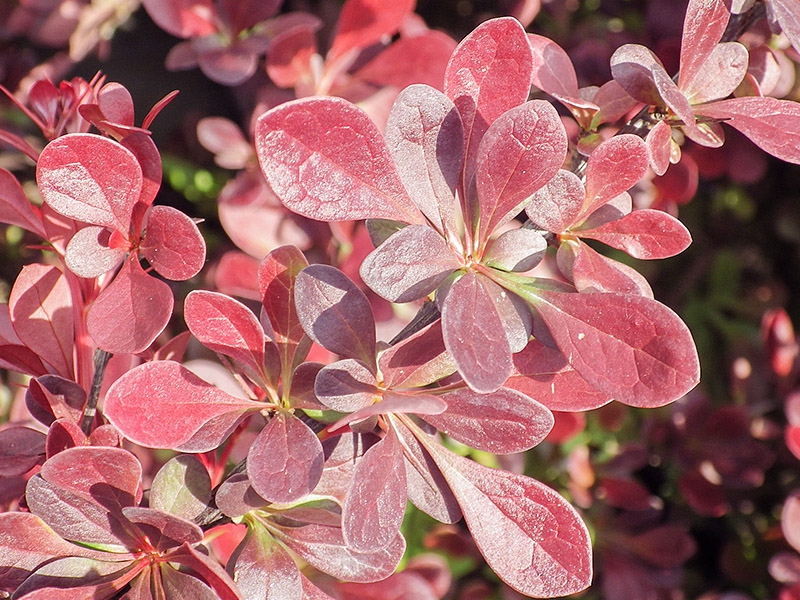
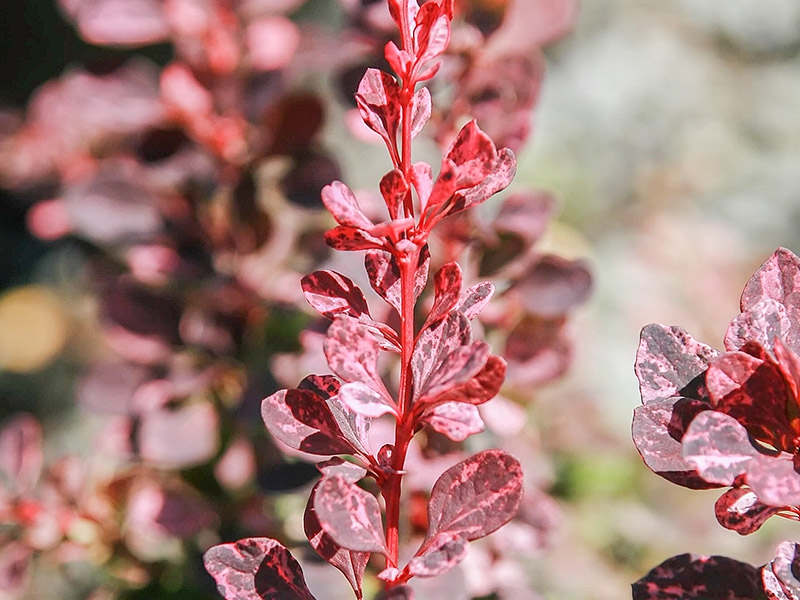
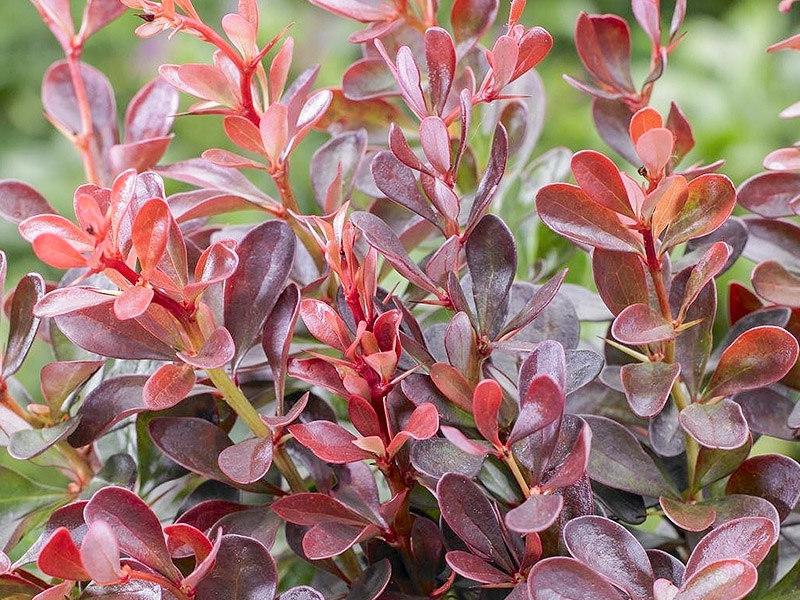
Berberis thunbergii is a deciduous shrub with high ornamental value. Growth Characteristics - Size and Shape: It grows to a height of approximately 1 to 2 meters and takes on a rounded shrub form. - Leaves: They are small, oval-shaped, and have smooth edges. They emerge green in the spring and turn a vibrant red or orange in the autumn. - Flowers: Small yellow flowers bloom in April and May, and the flowers are aesthetically pleasing. - Fruit: Small red fruits form in the autumn and persist until winter. Propagation Methods - Seeds: Collect seeds from mature fruits and sow them directly in the autumn, or store them in the refrigerator during the winter and sow them in the spring. - Cuttings: Cut new branches in the summer and plant them in a soil mixture of sand and peat to encourage rooting. Cultivation Methods - Soil: It prefers well-drained soil and adapts to a wide range of soil conditions, from acidic to slightly alkaline. - Sunlight: It thrives in locations with ample sunlight, but can also adapt to partial shade to some extent. - Watering: Water frequently during the initial establishment phase. Afterward, as it becomes more drought-tolerant, watering frequency can be reduced. - Pruning: To maintain a round shape, prune during the winter to shape the plant. Garden Uses - Hedges: The thorns on the branches make it suitable for hedges or security fences. - Color Contrast: The vibrant leaf colors that change in autumn can create color contrast in the garden. Important Pests and Diseases & Control Methods - Diseases: While generally resistant to diseases, powdery mildew may occur in some cases. To prevent this, maintain a well-ventilated environment, and you can spray with loofah copper sulfate. 2. Pests: Leaf beetles and aphids may primarily occur. If pests appear, they can be controlled by periodically spraying with soapy water or using appropriate insecticides. The Japanese barberry is a plant that adapts well to various environments and is relatively easy to care for, making it particularly popular in gardens.
Plant Type
Plant Family
Berberidaceae
Height
1~2m
Spread
2.5m
Colors
yellow
Bloom Period
April to June
Water Needs
commonly
Exposure
semi-shaded area
Freezing Resistance
-30°C
Hawk's claw tree
Berberis amurensis
narrow-leaved barberry
Berberis koreana f. angustifolia