English
한국어
English
Español
中文
हिंदी
Home
News
Community
Dictionary
English
한국어
English
Español
中文
हिंदी
View list
Berberis
Berberis nevinii
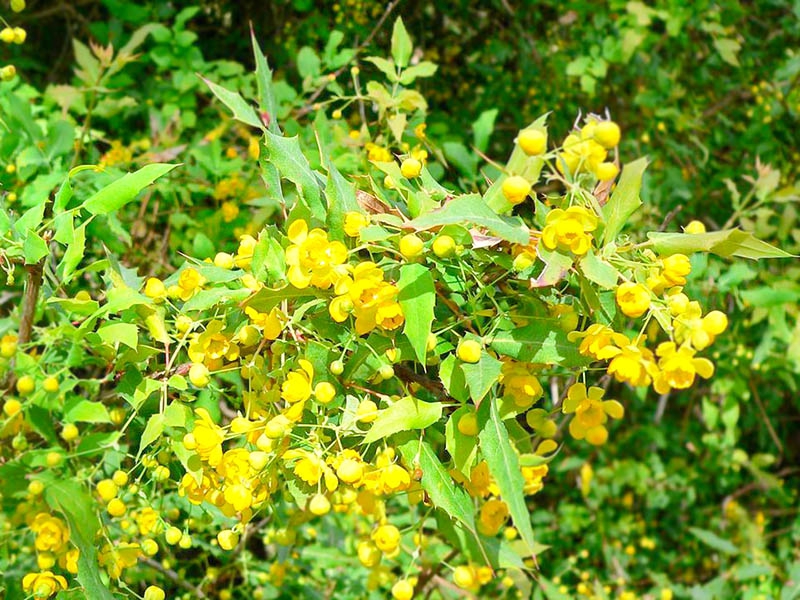
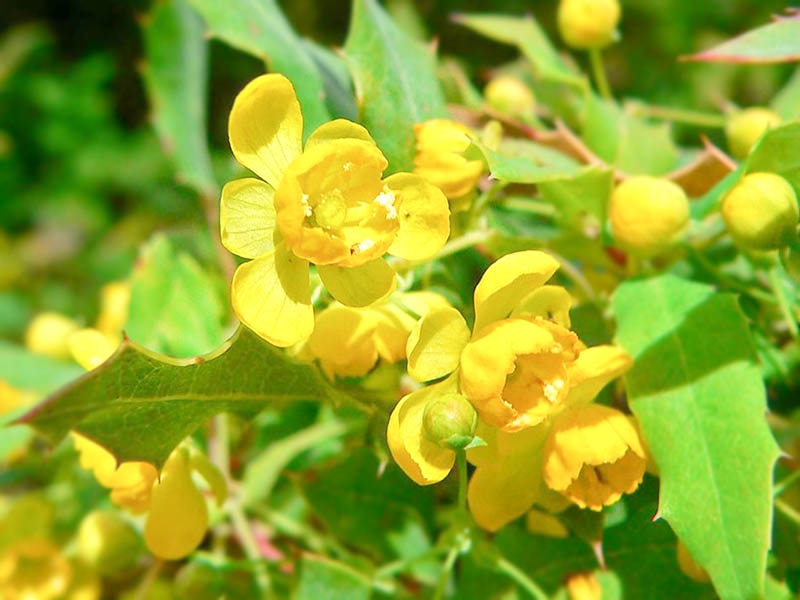
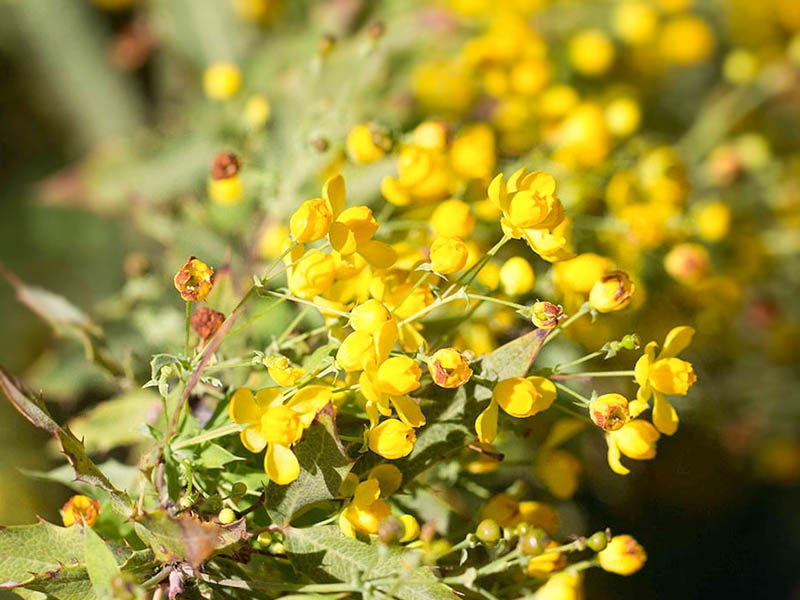
Berberis nevinii has the following characteristics regarding growth, propagation, cultivation, garden uses, and important pests and diseases and control methods. Growth Characteristics - Growing Environment: Berberis nevinii thrives primarily in sunny locations but can also grow in partial shade. It prefers well-drained, neutral to slightly acidic soil. - Temperature: It grows well in temperate climates and is cold-hardy, allowing it to withstand cold winters. - Size: Mature trees grow to a height of approximately 1.5 to 2 meters, forming a lush canopy with dense branches and leaves. Propagation Methods - Seeds: Propagation is possible via seeds; collect seeds from mature fruits in the autumn and plant them immediately. - Cuttings: Propagation can be performed via green cuttings in the summer. Plant the cut branches in sand or potting soil to encourage rooting. Cultivation Methods - Planting: It is recommended to plant after deeply tilling the soil. Ensure good drainage and water thoroughly after planting. - Watering: Water frequently during the initial stages, but once established, heavy watering is not necessary except during dry periods. - Fertilizer: Apply slow-release fertilizer during the growing season. Additionally, applying organic fertilizer in the spring is beneficial. Garden Uses - It can be used as an ornamental plant in the garden, serving as a hedge or boundary plant. - It has high aesthetic value due to its delicate berries and flowers. Important Pests and Control Methods - Diseases: Although barberry is a relatively hardy plant, issues such as leaf spot can occur. In this case, remove the diseased parts and use fungicides if necessary. - Pests: Common pests include aphids. If pests appear, they can be controlled using soapy water or insecticides. You can grow a healthy Barberry nevi using the methods above. If you provide proper care considering various growing conditions, you can enjoy beautiful and lush barberry bushes in your garden.
Plant Type
Plant Family
Berberidaceae
Height
2.4~3.6m
Spread
2.4~3.6m
Colors
yellow
Bloom Period
March to April
Water Needs
Bad
Exposure
Sunny
Freezing Resistance
-10°C
Japanese barberry 'Atropurpurea nana'
Berberis thunbergii f. atropurpurea 'Atropurpurea Nana'
black barberry
Berberis verruculosa