English
한국어
English
Español
中文
हिंदी
Home
News
Community
Dictionary
English
한국어
English
Español
中文
हिंदी
View list
black barberry
Berberis verruculosa
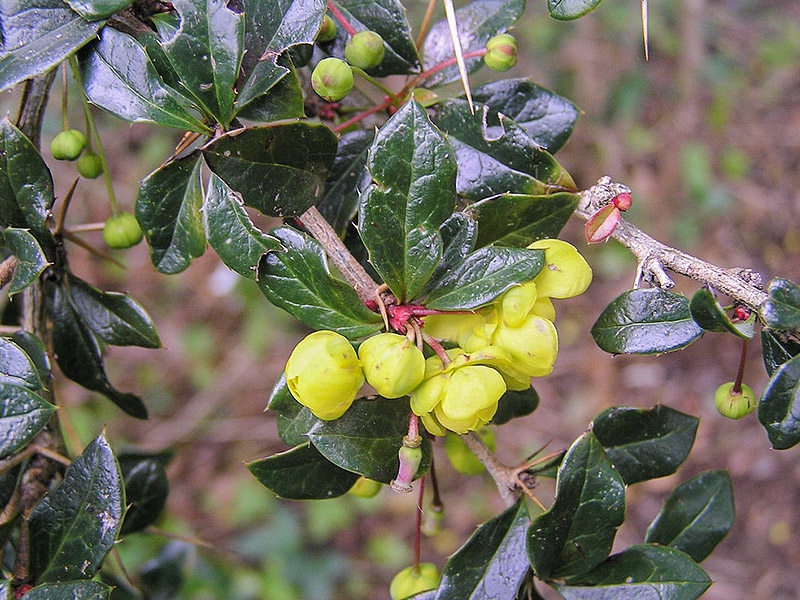
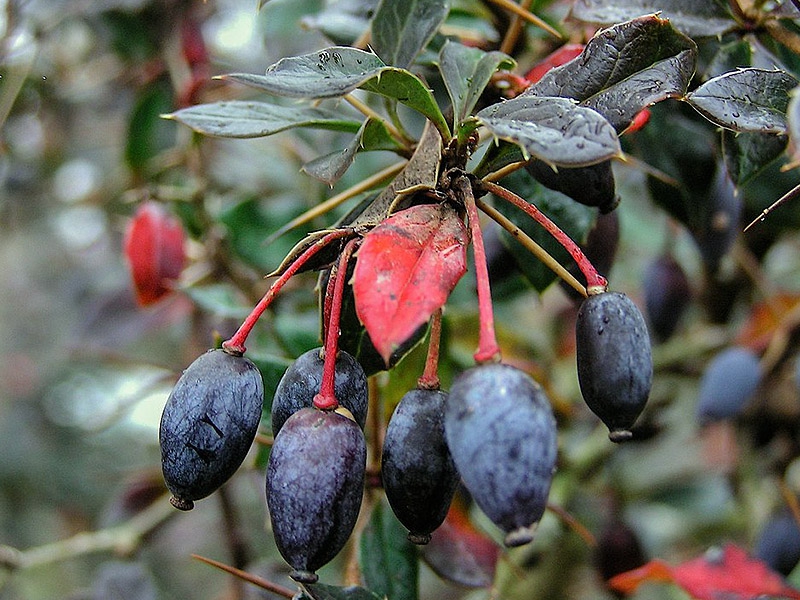
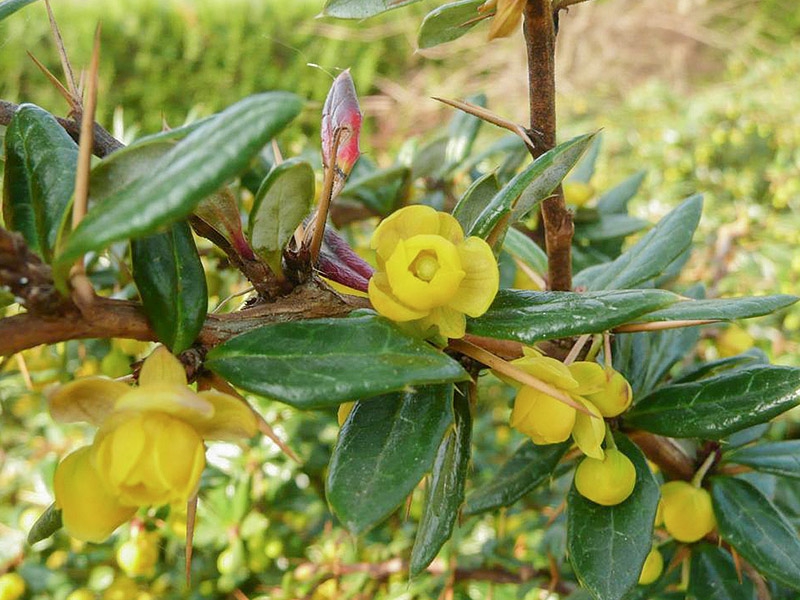
I will explain the growth characteristics, propagation and cultivation methods, garden uses, and major pests and diseases and control methods of Berberis verruculosa as follows. Growth CharacteristicsBerberis verruculosa is an evergreen shrub that typically grows to a height of 1 to 2 meters in its natural habitat. Its leaves are leathery, glossy, and have serrated margins. It thrives best in sunny locations and prefers well-drained soil. It is highly cold-hardy and adaptable to various climatic conditions. Propagation MethodsBerberis verruculosa is primarily propagated by seeds, cuttings, and division. For seed propagation, mature fruits are collected, the pulp is removed, and the seeds are sown immediately or stored in a refrigerator and sown in early spring. Cuttings are taken in spring or early summer when new shoots emerge; they are planted in a well-draining mixture of sand and perlite to promote rooting. Cultivation Methods When growing black barberry in the garden, it is important to select a location with plenty of sunlight. Choose soil with a well-draining system and provide organic fertilizer as needed. In early spring, prune the plant to maintain its desired shape and promote healthy growth. Garden Uses Black barberry is widely used for landscaping due to its beautiful leaves and shape. It is suitable as a hedge or boundary plant and can also be used as a background plant. In particular, the leaves turn red in the autumn, adding a unique charm to the garden. Important Pests and Control Methods Black barberry is relatively resistant to pests and diseases, but unfortunately, it can be damaged by powdery mildew or scale insects. Powdery mildew can occur in poorly ventilated environments, so care should be taken to avoid planting too densely. If necessary, use fungicides for control. Scale insects can be prevented from spreading by applying an emulsion upon early detection or by removing them by hand. With these characteristics and management methods, you can successfully grow black barberry (Verculosa).
Plant Type
Plant Family
Berberidaceae
Height
90~180cm
Spread
90~120cm
Colors
yellow
Bloom Period
March to August
Water Needs
commonly
Exposure
Sunny
Freezing Resistance
-20°C
Berberis
Berberis nevinii
Japanese barberry 'Tiny Gold'
Berberis thunbergii 'Tiny Gold'