English
한국어
English
Español
中文
हिंदी
Home
News
Community
Dictionary
English
한국어
English
Español
中文
हिंदी
View list
Manggae tree
Berchemiella berchemiifolia
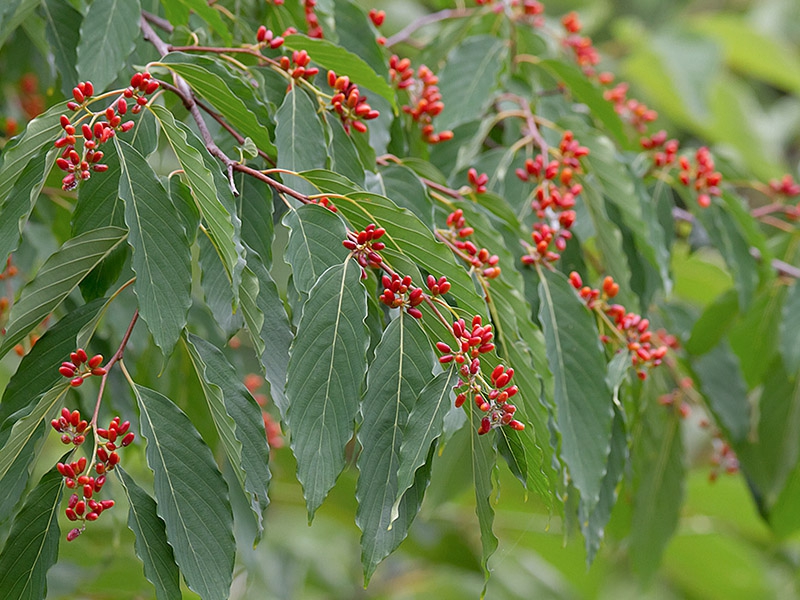
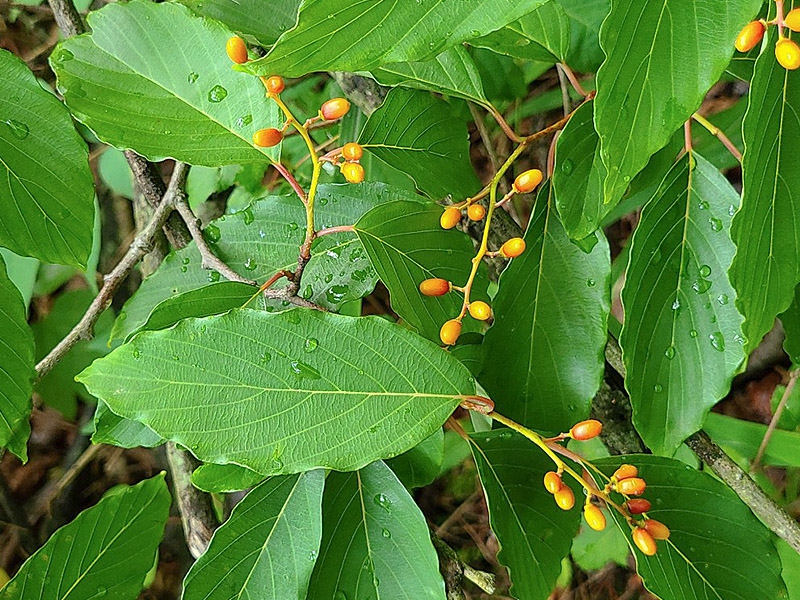
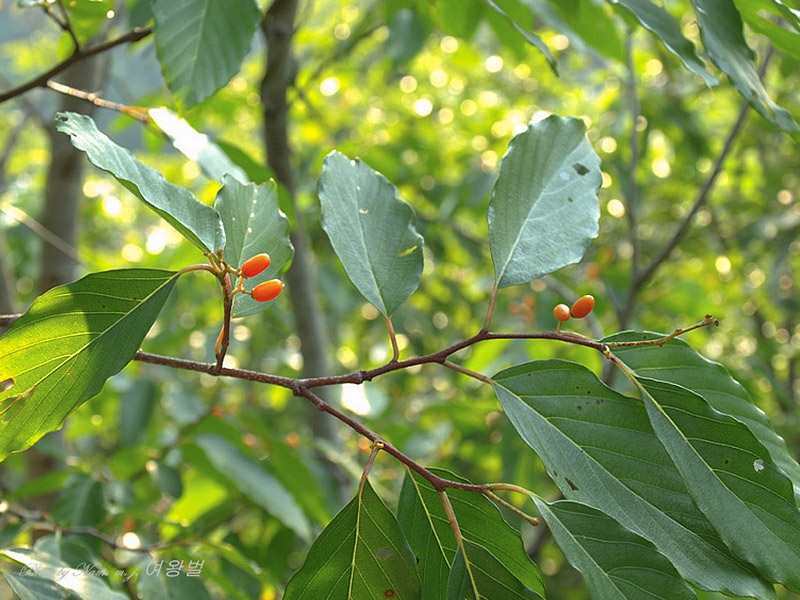
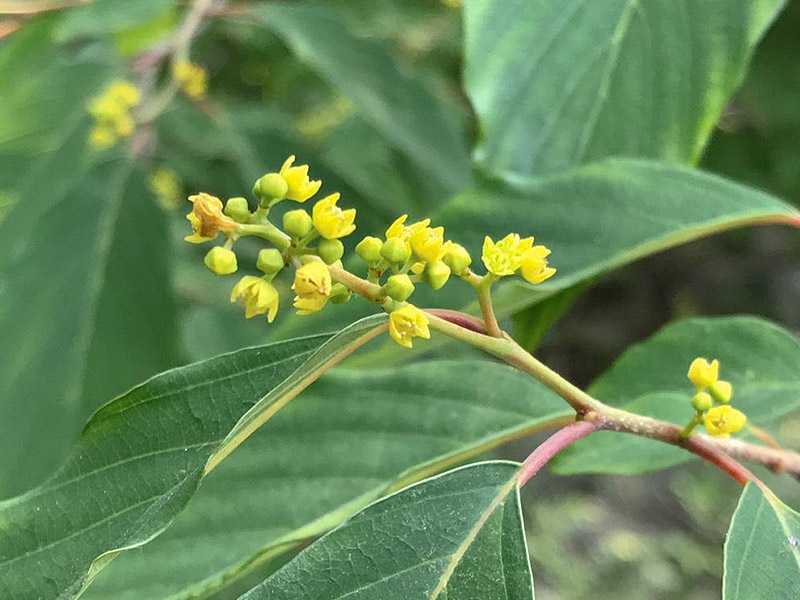
Berchemia berchemiifolia has the following characteristics: Growth Characteristics Berchemia berchemiifolia is a deciduous shrub native primarily to Asia. It grows to a height of 2 to 4 meters, and its leaves are oval-shaped and glossy green. Flowers bloom between June and July; the small, yellowish-white blossoms bloom in clusters, making it highly valuable as an ornamental plant. The fruit ripens to black in the autumn. Propagation MethodsBerchemia berchemiifolia is primarily propagated by seeds. It is common practice to collect seeds when the fruit matures in the autumn, dry them, and sow them in the spring. It can also be propagated through cuttings or grafting. Cultivation Methods - Soil: It thrives in well-drained, fertile soil. - Sunlight: Since it prefers sunlight, a sunny location is suitable. It can grow in partial shade, but the production of flowers and fruit may decrease. 3. Watering: Avoid overwatering, and water thoroughly during dry periods. - Fertilization: It is recommended to apply slow-release fertilizer in the spring. Uses in the GardenThe Korean ash tree is suitable for planting in gardens or parks as an ornamental plant. In particular, its beautiful flowers and fruits give it high aesthetic value. It can be used as a border plant or background plant, and it helps create a lush garden by harmonizing with other plants. Important Pests and Diseases & Control Methods - Diseases: Generally, Korean ash trees are resistant to diseases, but root rot can occur if the soil is overwatered. To prevent this, it is important to maintain conditions with good drainage. - Pests: Pests such as aphids, spider mites, and mites may occur. In the early stages, they can be managed by removing them by hand or washing them with water; in severe cases, use insecticides at the prescribed concentration. Control Methods - Prevention: Periodically check the condition of the plant, and strengthen its immunity by providing appropriate nutrition and maintaining the environment as necessary. 2. Response to Damage: If pests or diseases are identified, promptly carry out control measures and analyze the cause to establish measures to prevent recurrence. If you manage your Korean hawthorn trees well based on this information, it will be of great help in creating a beautiful garden.
Plant Type
Plant Family
Rhamnaceae
Height
15m
Spread
Colors
yellow
Bloom Period
June~July
Water Needs
commonly
Exposure
Sunny
Freezing Resistance
-15°C
Berberis 'Park Jewil'
Berberis × media 'Parkjuweel'
Bluebird
Berchemia racemosa