English
한국어
English
Español
中文
हिंदी
Home
News
Community
Dictionary
English
한국어
English
Español
中文
हिंदी
View list
Vescorneria ieucoides
Beschorneria yuccoides
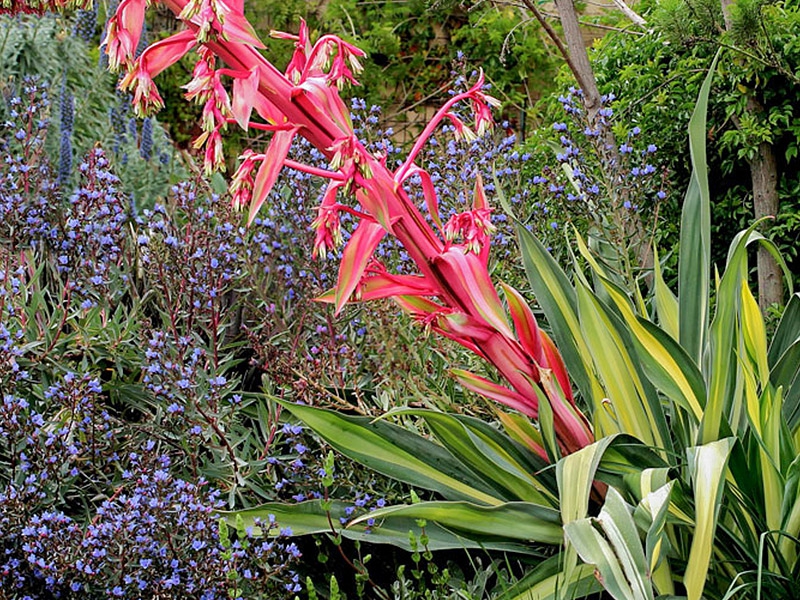
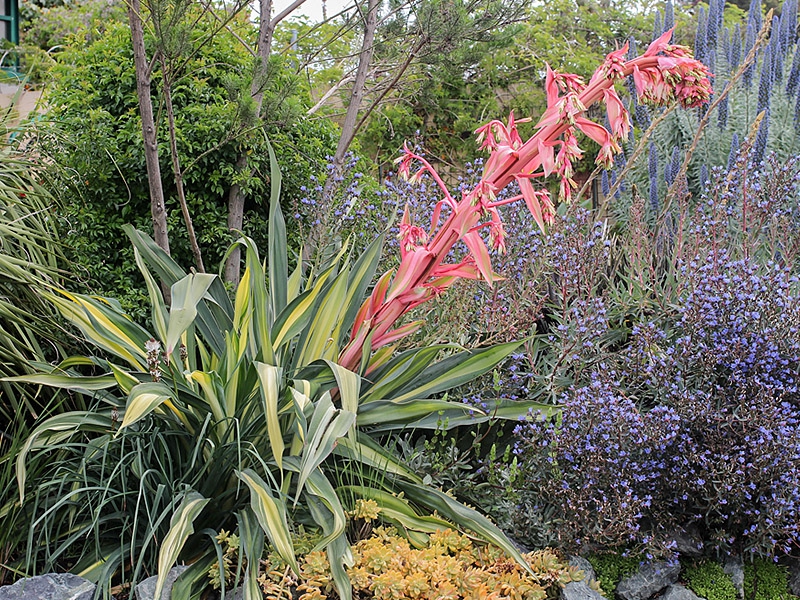
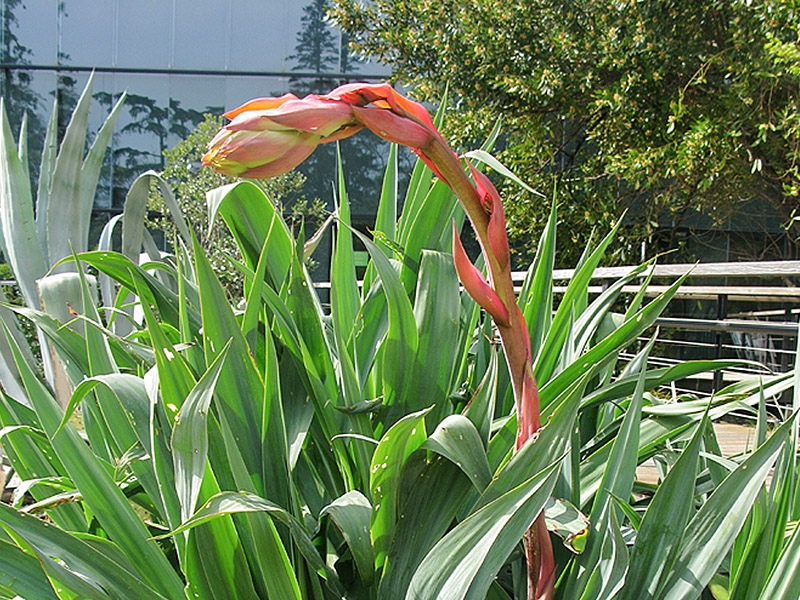
Beschorneria yuccoides is a perennial plant native to Mexico that is popular in gardens for its unique leaves and ornamental inflorescences. The following describes the plant's growth characteristics, propagation methods, cultivation methods, garden uses, and major pests and diseases, as well as control methods. Growth Characteristics - Growth Environment: Beschorneria yuccoides prefers sunny environments and thrives even in dry soil. Its cold tolerance is somewhat low, so winter protection is required in regions with low temperatures. - Size: Mature plants can grow up to approximately 1.5 meters in height and can expand similarly in width. - Leaves: Long, narrow leaves grow in a rosette formation, and their pointed tips give it an appearance similar to the Yucca. - Inflorescence: The flowers range in color from pink to green, with multiple flowers blooming in clusters on long flower stalks. Propagation Methods - Seeds: Propagation is possible via seeds, but the germination rate is low and it may take a long time. - Division: This method is primarily used for propagation by separating and planting new shoots that emerge from the parent plant. Cultivation Methods - Soil: It grows best in well-drained soil; it is recommended to mix sand into standard garden soil. - Watering: Avoid overwatering, and keep the soil nearly dry, especially during the winter. - Fertilizer: It is good to apply fertilizer moderately during the growing season, but avoid excessive fertilization. Uses in the Garden - Due to its unique appearance, Vescorneria eucoides is often used as a focal point in gardens and is well-suited for rock gardens or desert-style gardens. Important Pests and Control Methods - Vescorneria eucoides is generally resistant to pests and diseases; however, problems with spider mites and fungi may occur if ventilation is poor. - Control Methods: First, avoid overwatering and ensure good ventilation for the plant. Second, immediately remove pests or use appropriate insecticides upon initial occurrence. The above provides basic information necessary for the successful cultivation of Vescorneria eucoides. It is also important to adjust management methods according to the specific climate and soil conditions of each region.
Plant Type
Plant Family
Broom family
Height
90~210cm
Spread
90~120cm
Colors
red
Bloom Period
March to August
Water Needs
commonly
Exposure
Sunny
Freezing Resistance
-10°C
Brazil nuts
Bertholletia excelsa
bit
Beta vulgaris subsp. vulgaris