English
한국어
English
Español
中文
हिंदी
Home
News
Community
Dictionary
English
한국어
English
Español
中文
हिंदी
View list
birch tree
Betula ermanii
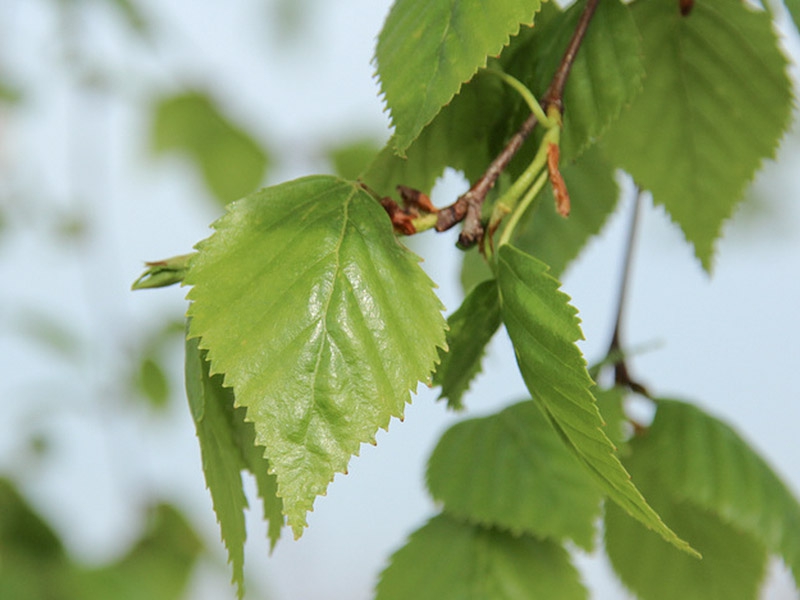
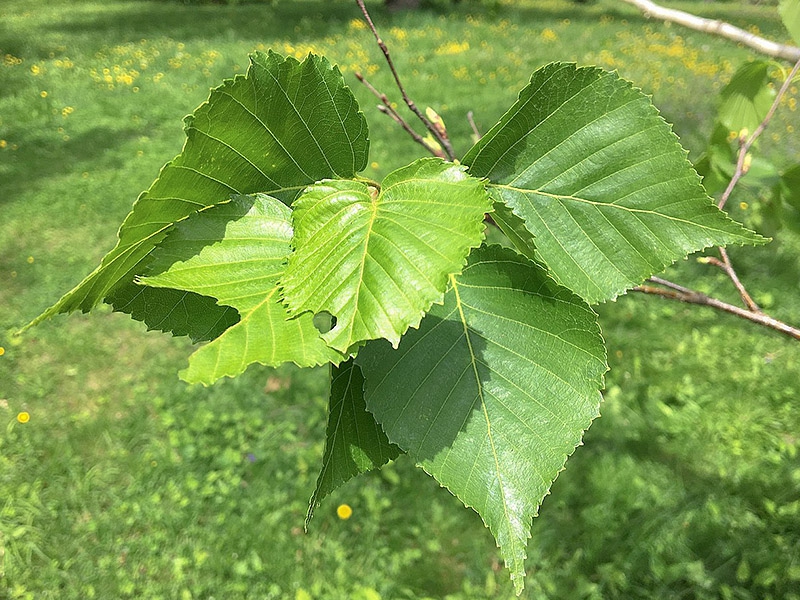
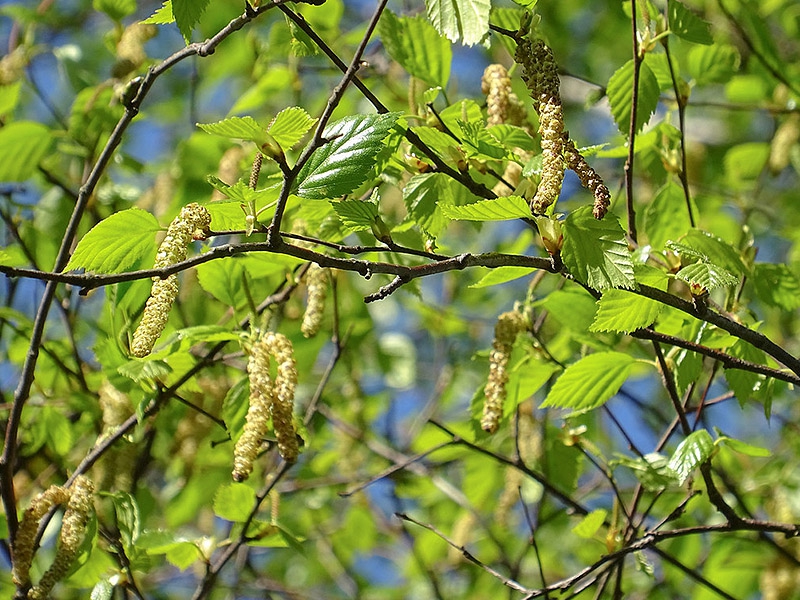
Betula ermanii is a deciduous tree that grows primarily in the cool temperate regions of the Northern Hemisphere; in Korea, it is mainly found in alpine areas. This document provides information on the tree's growth characteristics, propagation methods, cultivation practices, garden uses, and major pests and diseases, as well as control methods. - Growth Characteristics: Betula ermanii grows well in partial shade, but thrives even more when exposed to sufficient sunlight. It prefers well-drained soil and adapts to acidic to slightly alkaline soils. It generally grows in alpine regions at elevations of 1,000 meters or higher and is resistant to cold. - Propagation Methods: It is generally propagated by seeds; mature seeds are collected in the autumn and sown in early spring. Propagation by cuttings is also possible, which can be done through greenwood cuttings in the summer or seedlings collected from the ground in the winter. - Cultivation Method: Plant in a well-drained location and maintain adequate moisture by watering as needed. While generally resistant to pests and diseases, regular observation and care are required. Pruning can be done as needed in late winter or early spring to maintain its shape. - Use in Gardens: Betula ermanii is widely used as a landscaping tree due to its beautiful bark and autumn foliage. It is particularly well-suited for harmonizing with surrounding landscapes, making it ideal for planting in residential gardens or parks. Its appearance, similar to that of a birch, provides excellent visual appeal. - Major Pests and Control Methods: Although this tree is relatively resistant to pests and diseases, it may rarely be susceptible to insects or diseases that can damage the bark. Regular observation is necessary for prevention, and if a problem arises, consult a local agricultural cooperative or landscaping expert to use appropriate pesticides. For natural control, natural predators of pests or physical removal methods can also be utilized. You can grow healthy birch ermanii through these characteristics and methods.
Plant Type
Plant Family
Betula family
Height
7~15m
Spread
Colors
brown, yellow
Bloom Period
May~June
Water Needs
commonly
Exposure
Sunny
Freezing Resistance
-40°C
modern
Beta vulgaris var. cicla
water birch
Betula davurica