English
한국어
English
Español
中文
हिंदी
Home
News
Community
Dictionary
English
한국어
English
Español
中文
हिंदी
View list
Geojesu tree
Betula costata
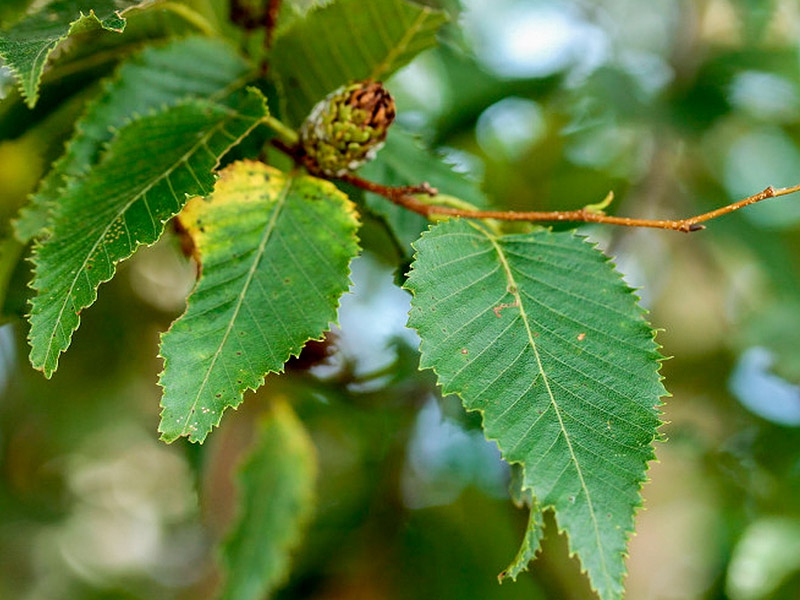
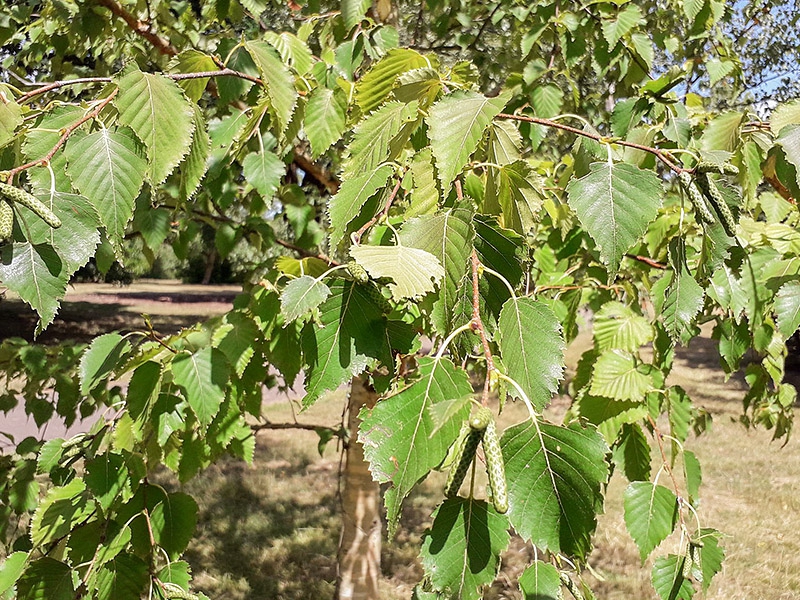
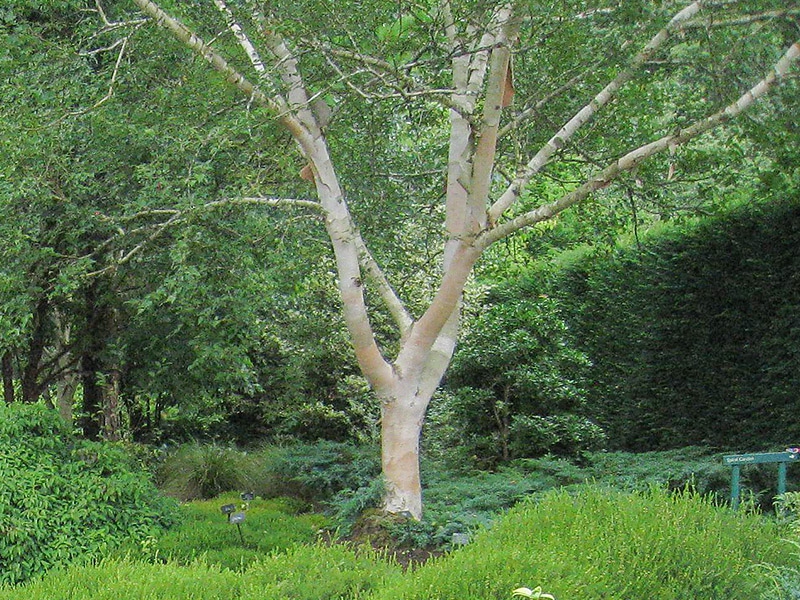
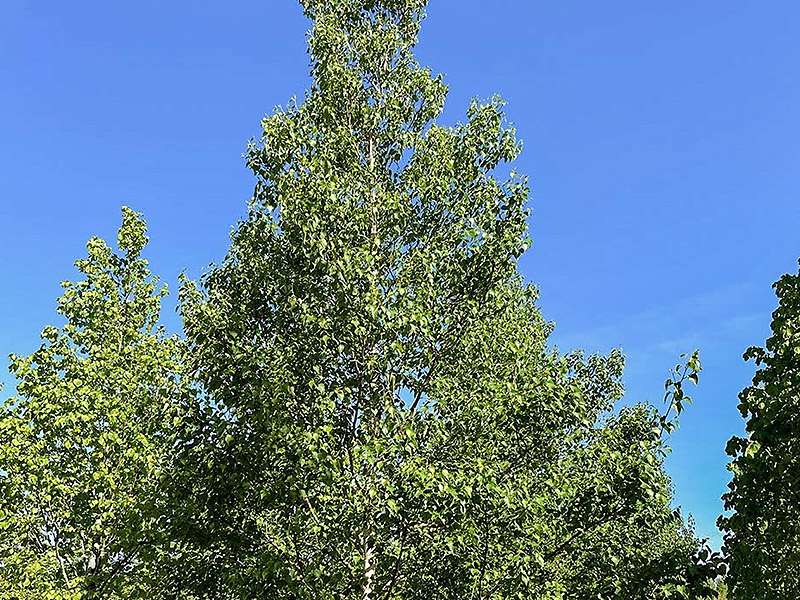
Characteristics and Cultivation Information of Betula costata Growth Characteristics: Betula costata is a deciduous broad-leaved tree native to Northeast Asia, including Korea. It grows to an average height of 10 to 20 meters and thrives in sloping or well-drained soil. The bark is grayish-white with longitudinal stripes, and the leaves are ovate with serrated edges. In autumn, the leaves turn golden, providing beautiful fall foliage. Propagation Methods: Betula costata is primarily propagated by seeds. Mature seeds can be collected in early spring and sown immediately, or they can be dried, refrigerated, and sown in early spring. Since the seeds germinate via light, it is best not to cover them with a thick layer of soil. Propagation by cuttings is also possible, but the success rate is low. Cultivation Methods: It is important to select a location with well-drained soil and plenty of sunlight. Water should be provided sufficiently during the early growth period, and water should not be scarce, especially during the summer. Fertilization is recommended between late spring and early summer. Pruning intermittently helps maintain the tree's shape and promotes healthy growth. Uses in Gardens: The Japanese zelkova (Costata) is popular for landscaping and is frequently planted in gardens and parks, particularly due to its beautiful autumn foliage. It provides natural beauty when harmonizing with other plants and can be utilized as a shade tree. Important Pests and Control Methods: - Diseases: - Powdery Mildew: This disease causes white powder to appear on the leaves. Ensure adequate ventilation, remove infected leaves, and use fungicides if necessary. - Pests: - Leaf Beetles: These pests feed on young leaves. Upon early detection, remove them by hand or use organic insecticides. - Aphids: These pests suck sap, hindering leaf growth. They can be controlled with soapy water or cuticle insecticides. The Japanese zelkova (Costata) is relatively easy to care for and is a tree that can be widely used for landscaping due to its beautiful appearance. You can keep it healthy by providing a suitable environment and regular care.
Plant Type
Plant Family
Betula family
Height
30m
Spread
1m
Colors
Green, brown
Bloom Period
May to June
Water Needs
commonly
Exposure
semi-shaded area
Freezing Resistance
-30°C
small birch
Betula fruticosa
Korean birch
Betula chinensis