English
한국어
English
Español
中文
हिंदी
Home
News
Community
Dictionary
English
한국어
English
Español
中文
हिंदी
View list
Himalayan birch
Betula utilis
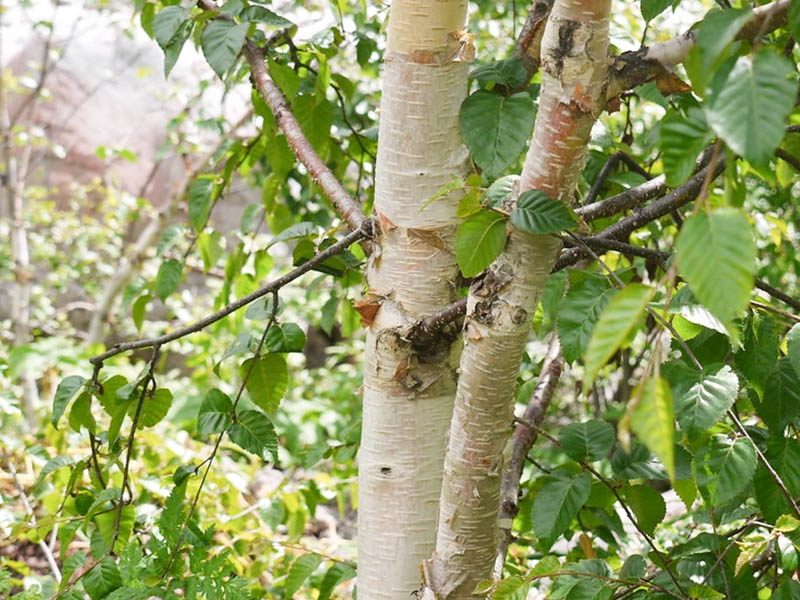
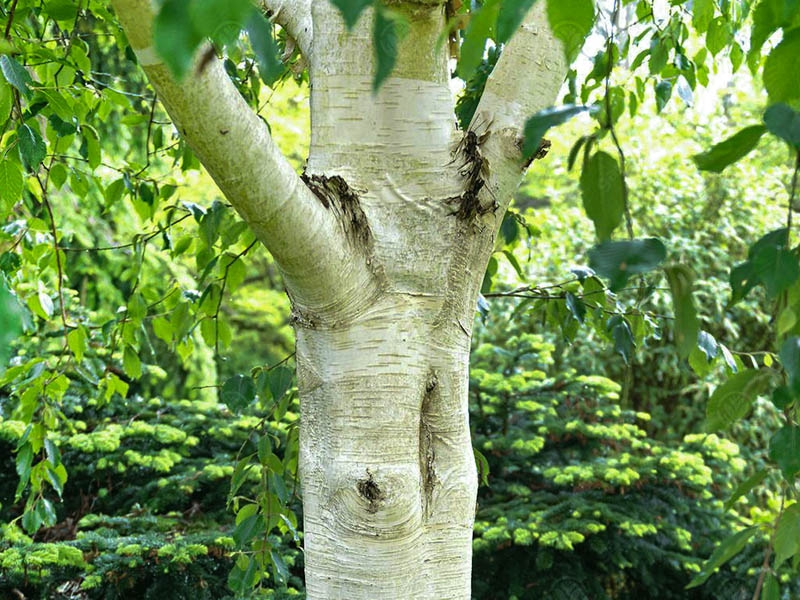
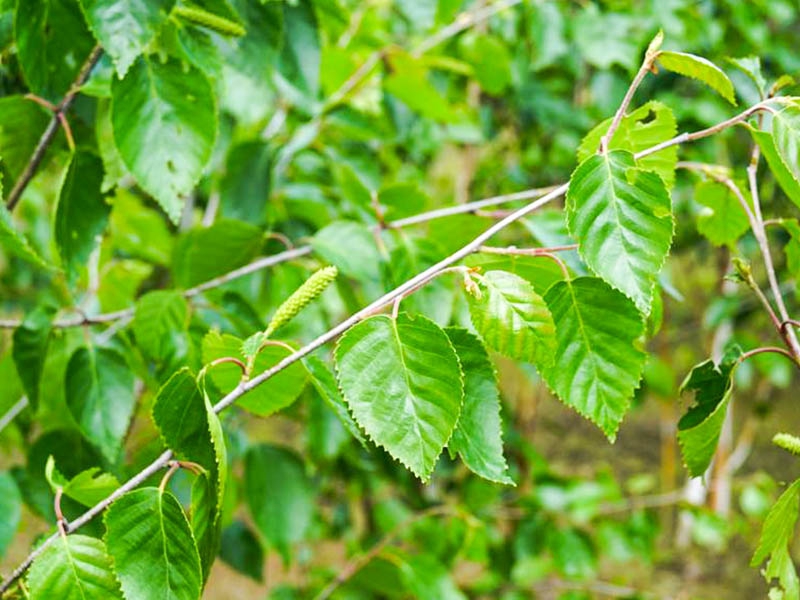
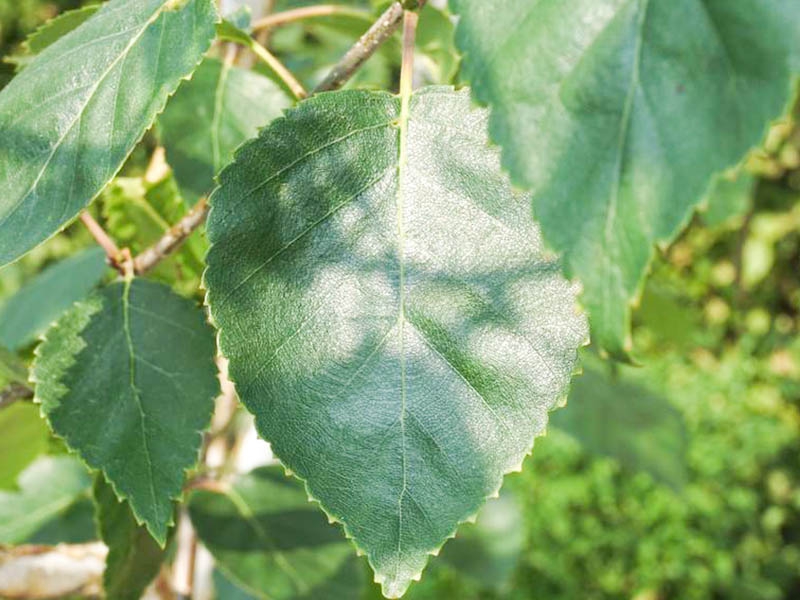
Betula utilis, the Japanese birch, is a tree primarily found in the Himalayan region and is known for its beautiful white bark and unique tree shape. The following is information regarding the growth characteristics, propagation and cultivation methods, garden uses, and major pests and diseases and control methods of the Japanese birch. Growth Characteristics - Environment: The Japanese birch thrives in high mountainous environments and prefers locations with abundant sunlight. It is ideal to grow in well-drained soil. - Size: Mature trees grow to approximately 15–25 meters in height, with a trunk diameter reaching up to 1 meter. - Leaves: The leaves are oval or egg-shaped and turn yellow in the autumn. Propagation Methods - Seeds: The Japanese birch is primarily propagated by seeds. Seeds are collected in the autumn, cooled, and sown in the spring. - Cuttings: Propagation by cuttings is possible, but the success rate is relatively low. Cultivation Methods - Planting: When planting, ensure the roots are in sufficient contact with air, and select well-drained soil. - Watering: Water thoroughly until the roots establish themselves; once the tree matures, it grows well under general conditions. - Pruning: It is recommended to shape the tree through pruning during the early stages of growth. Uses in the Garden - Birch trees are primarily used as ornamental trees in gardens due to their visual appeal. Their white bark is particularly eye-catching, making them beautiful even in winter. Important Pests and Diseases & Control Methods - Diseases: Birch trees can be susceptible to fungal diseases, so prune to ensure proper ventilation and create an environment with good drainage. - Pests: Damage from insects and pests is relatively minor, but if problems arise, they can be controlled using appropriate insecticides. - As a preventive measure, periodically monitor the tree's condition and provide proper nutritional management to maintain physiological vitality. Based on this information, you will be able to successfully cultivate and manage the Jajakmong birch trees.
Plant Type
Plant Family
Betula family
Height
10~15m
Spread
6~7.5m
Colors
brown, yellow
Bloom Period
March to August
Water Needs
commonly
Exposure
Sunny
Freezing Resistance
-30°C
Jacquemont birch 'Durenbosch'
Betula utilis var. jacquemontii 'Doorenbos'
Betula platyphylla 'Gracewood Hill'
Betula ermanii 'Grayswood Hill'