English
한국어
English
Español
中文
हिंदी
Home
News
Community
Dictionary
English
한국어
English
Español
中文
हिंदी
View list
yellow birch
Betula alleghaniensis
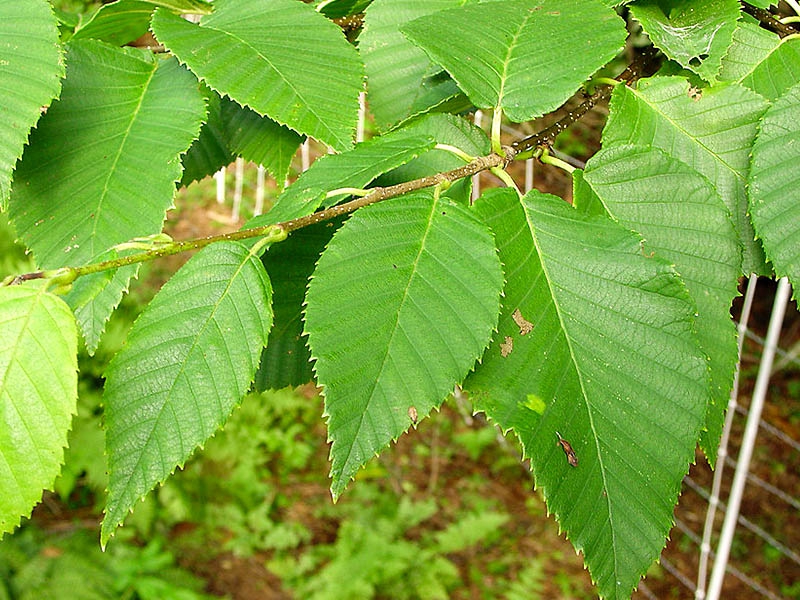
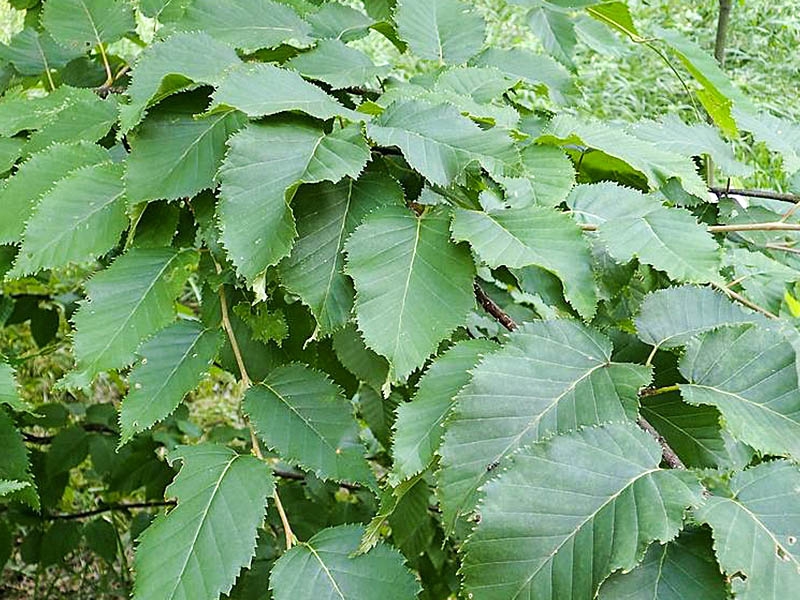
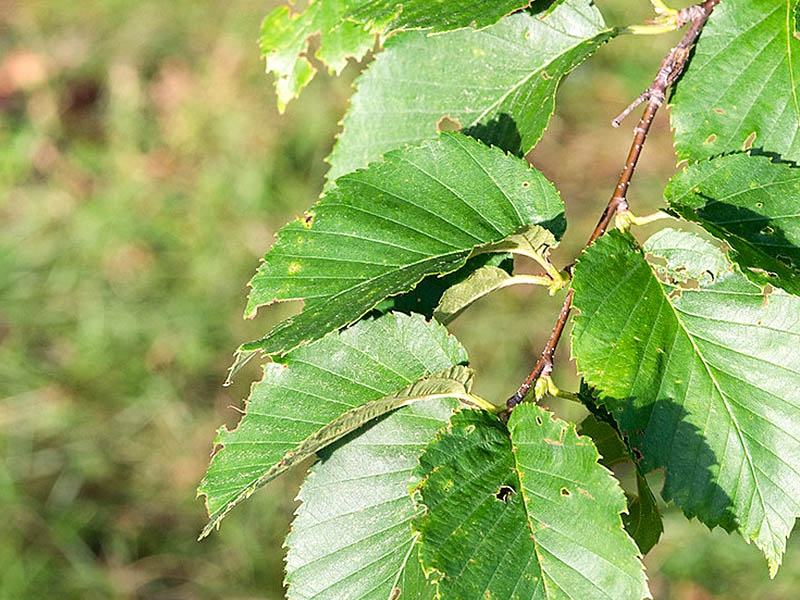
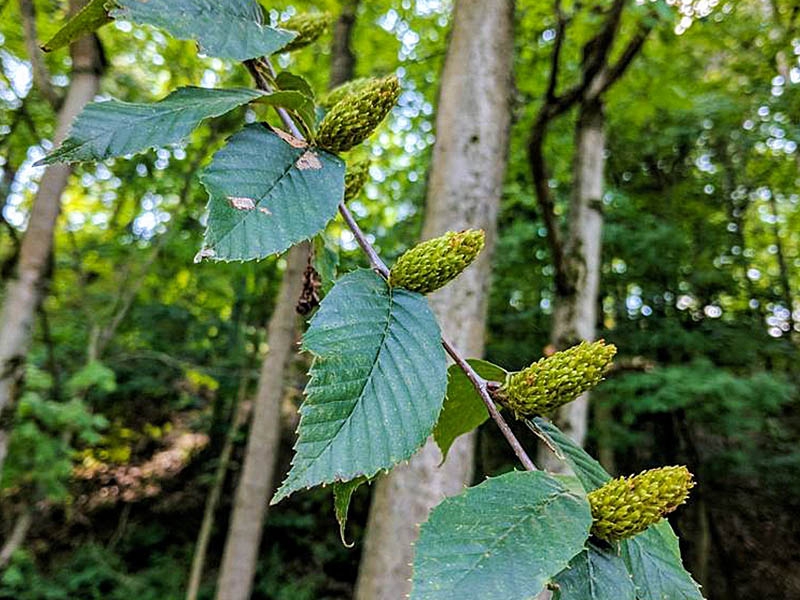
The growth characteristics, propagation methods, cultivation methods, garden uses, and major pests and control methods of Betula alleghaniensis are summarized below. Growth Characteristics - Growth Environment: The yellow birch thrives in moist, well-drained soil. While it prefers sunny locations, it can also grow in partial shade. - Size: Mature trees can reach a height of 18 to 30 meters, and the crown is wide and spreads in a rounded shape. - Leaves and Flowers: The leaves change color in autumn and turn yellow. In spring, male and female flowers bloom separately; male flowers are long and drooping, while female flowers are short. Propagation Methods - Seed Propagation: After flowering, the tree can be propagated using ripe seeds in autumn. Seed germination rates can be increased through cold treatment, which requires a cold winter. - Cuttings: Propagation is possible via cuttings during the summer, but the rooting rate may be low. Cultivation Methods - Soil Preparation: Prepare the soil by mixing in well-rotted compost, and ensure proper drainage. - Planting Season: Spring or autumn is suitable; provide ample water to help the roots establish themselves quickly. - Water Management: Provide sufficient water, especially during the initial establishment period, but avoid excessive moisture. Uses in Gardens - Landscape Creation: With its beautiful tree shape and yellow autumn foliage, it is suitable for landscape creation in gardens or parks. - Shade and Windbreak: As the tree grows, it provides extensive shade and also functions as a windbreak. Important Pests and Diseases and Control Methods - Diseases: Yellow birch trees can be susceptible to rot and leaf blight. Ensure good drainage and use appropriate pesticides if necessary. - Pests: Birch borers are a common problem. Therefore, regular observation and appropriate pest control treatments are required. - Control methods: You can remove insects mechanically or use insecticides. Additionally, maintaining proper spacing between trees is important for preventing pests and diseases. With this information, you can successfully grow and manage yellow birch trees.
Plant Type
Plant Family
Betula family
Height
18~24m
Spread
18~24m
Colors
yellow
Bloom Period
March to August
Water Needs
commonly
Exposure
Sunny
Freezing Resistance
-40°C
White birch
Betula papyrifera
Jacquemont birch
Betula utilis var. jacquemontii