English
한국어
English
Español
中文
हिंदी
Home
News
Community
Dictionary
English
한국어
English
Español
中文
हिंदी
View list
Eye-shaped snake
Bidens tripartita
var.
repens
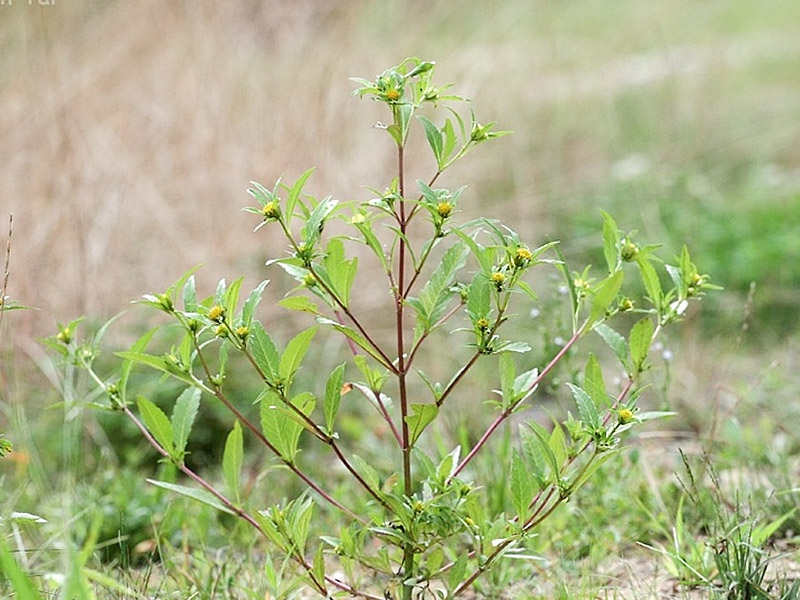
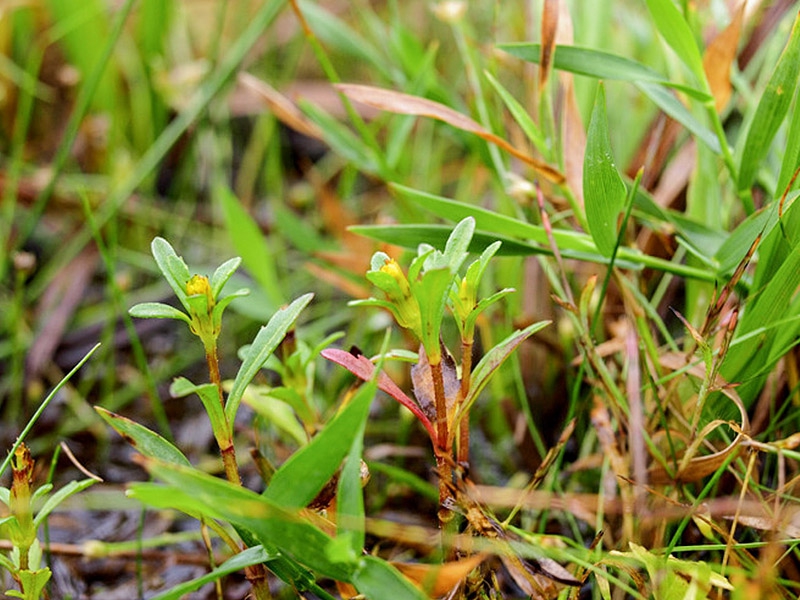
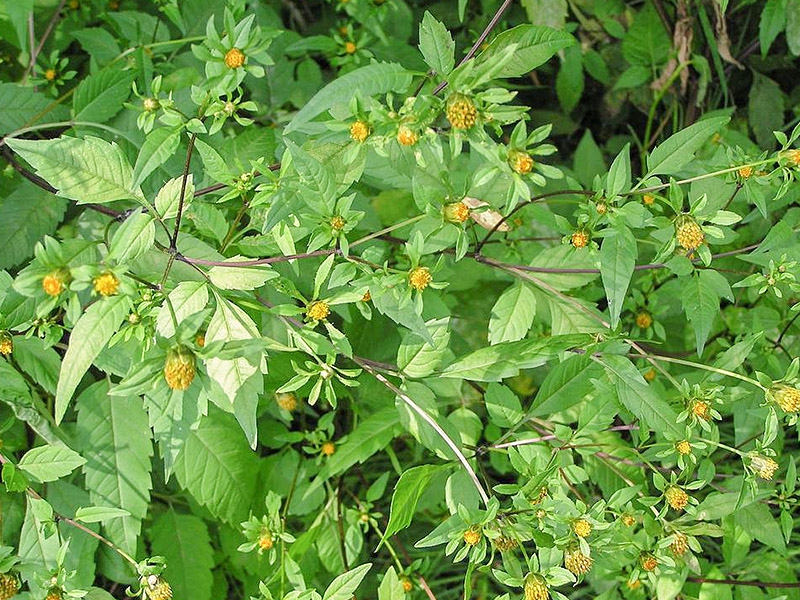
Bidens tripartita var. repens is a plant that requires consistent care and attention. I will explain its growth characteristics, propagation methods, cultivation methods, garden uses, and important pests and diseases and control methods. Growth Characteristics - Environment: This plant thrives primarily in sunny locations and prefers well-drained soil. - Growth: It usually grows fastest during the summer, and flowering begins in early autumn. - Appearance: It grows to a height of 30–60 cm, and its leaves are divided into three lobes. Propagation Methods - Seed Propagation: The most common method of propagation is using seeds, and it is best to sow them in the spring. - Cuttings: Stem cuttings are also possible, and using a rooting agent makes them even more effective. Cultivation Methods - Soil Preparation: Fertile, well-drained soil is suitable, and compost can be added if necessary. - Watering: Avoid overwatering; it is best to water only when the soil surface becomes dry. - Fertilizer: During the growing season, it is recommended to apply a balanced fertilizer regularly. Uses in the Garden - Landscape Creation: Primarily used as a border or background plant, it pairs well with other flowers for harmonious placement. Important Pests and Control Methods - Pests and Diseases: The most common issues are aphids and powdery mildew; periodic inspection and care are necessary to prevent these. - Control Methods: Organic pesticides or appropriate chemical insecticides can be used, and immediate action is required upon early detection. While this plant is relatively easy to care for, periodic observation and appropriate measures are highly beneficial for its growth. It can be a good choice for creating beautiful landscapes in the garden.
Plant Type
Plant Family
Asteraceae
Height
10~40cm
Spread
Colors
yellow
Bloom Period
September to October
Water Needs
commonly
Exposure
semi-shaded area
Freezing Resistance
-15°C
Devil's needle
Bidens bipinnata
Devil's needle
Bidens pilosa