English
한국어
English
Español
中文
हिंदी
Home
News
Community
Dictionary
English
한국어
English
Español
中文
हिंदी
View list
Seed tail
Bistorta vivipara
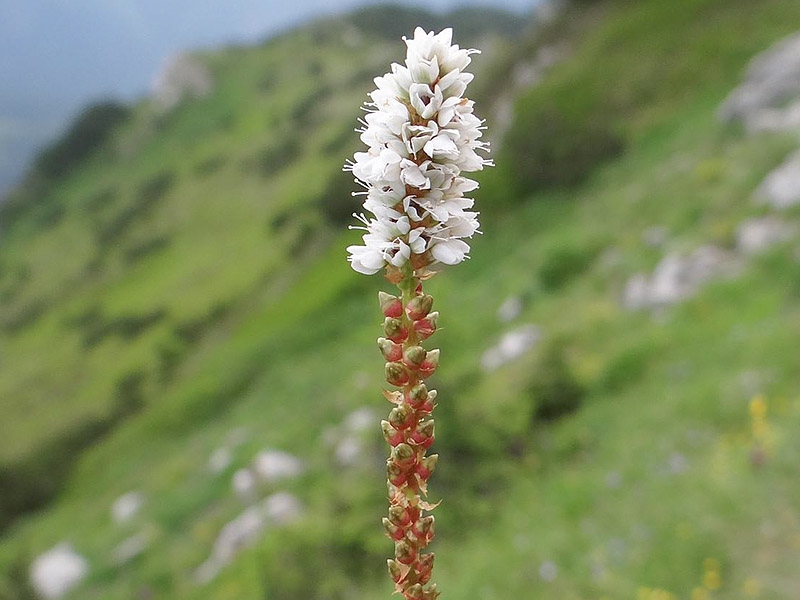
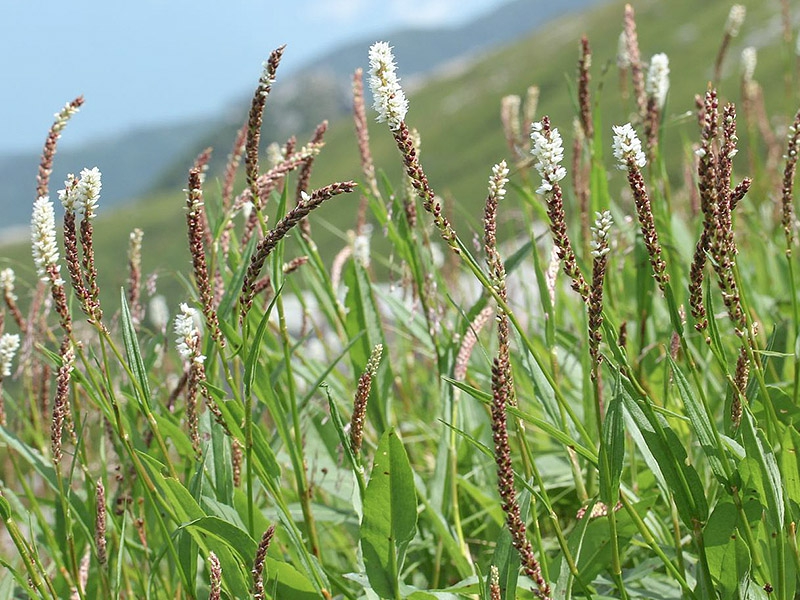
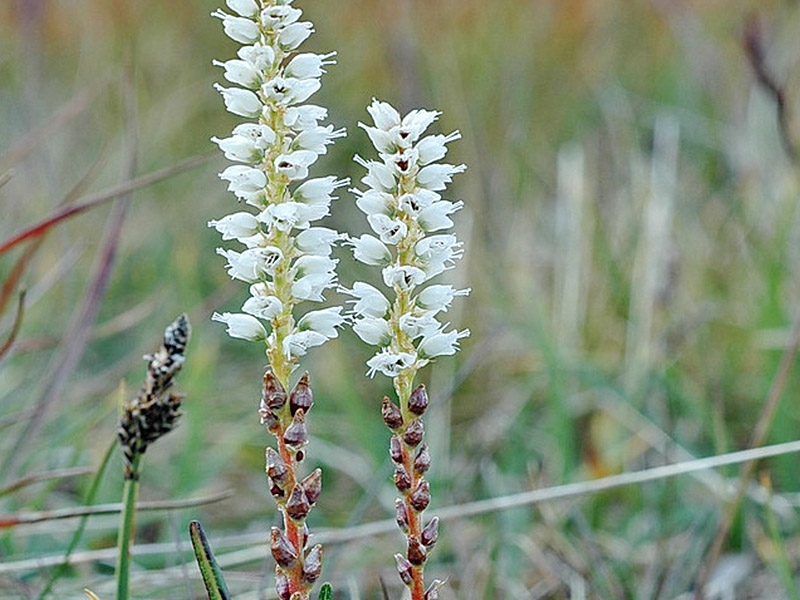
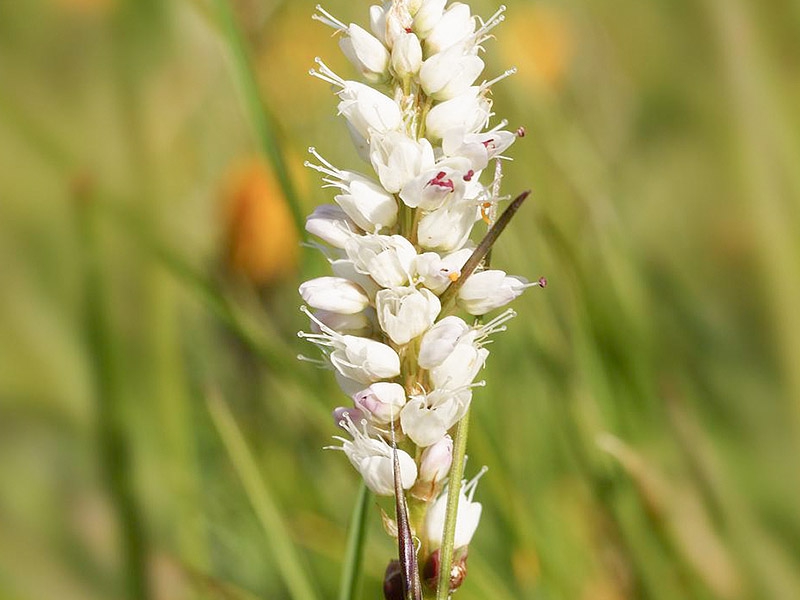
Bistorta vivipara has the following growth characteristics, propagation methods, cultivation methods, garden uses, and information on major pests and diseases and control methods. Growth Characteristics - Classification: Perennial herbaceous plant - Height: Generally grows to about 10–30 cm. - Growing Environment: It thrives mainly in moist highlands or cool habitats. It prefers fertile, well-drained soil. - Flowers: Small white to pale pink flowers bloom in the summer. Propagation Methods - Seed Propagation: It propagates by dropping seeds naturally in the wild. - Vivipara Propagation: It propagates rapidly through stolons or rhizomes. - Division: It can be propagated by dividing the tubers of mature plants. Cultivation Methods - Planting: Spring or autumn is the optimal time; plant in well-drained soil. - Watering: Maintain moderate moisture but avoid overwatering. - Fertilizer: While it generally does not require much fertilizer, it is recommended to apply a general-purpose fertilizer once in the spring. Uses in the Garden - Landscaping: Suitable for small gardens or wildflower gardens. It is particularly useful for creating an alpine atmosphere. - Ground Cover: Due to its low height and soil-covering properties, it is also used as a ground cover. Important Pests and Control Methods - Diseases: It is generally hardy, but it may develop root rot if waterlogged. - Control Methods: Ensure good drainage to prevent overwatering. - Pests: There are no major pest issues, but aphids may occur rarely. - Control Methods: If aphids appear, control them using soapy water or an appropriate insecticide. Based on this information, you can effectively manage and utilize the Seed-tailed Barbpara.
Plant Type
Plant Family
Polygonaceae
Height
10~40cm
Spread
Colors
white, pink
Bloom Period
July~August
Water Needs
commonly
Exposure
Sunny
Freezing Resistance
-30°C
Bismarck palm
Bismarckia nobilis
Tiger tail
Bistorta ochotensis