English
한국어
English
Español
中文
हिंदी
Home
News
Community
Dictionary
English
한국어
English
Español
中文
हिंदी
View list
Tiger tail
Bistorta ochotensis
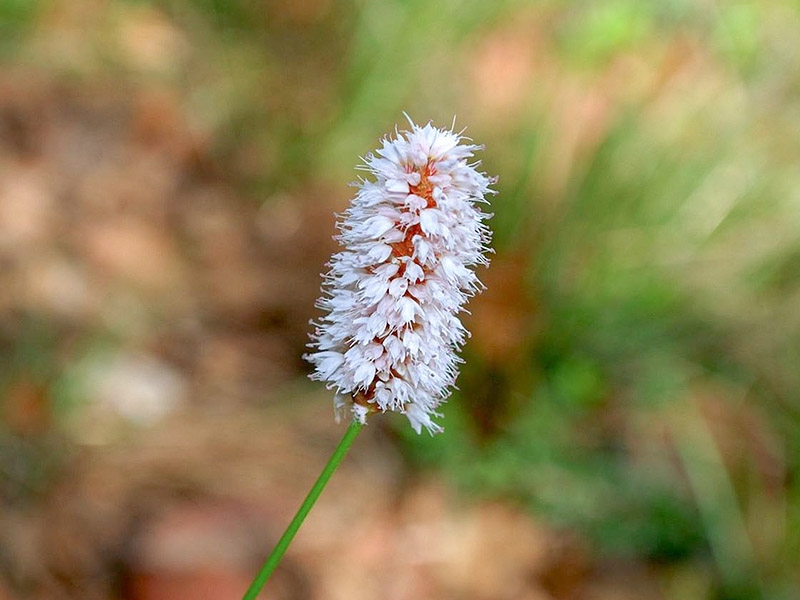
Bistorta ochotensis is a perennial herbaceous plant native primarily to boreal and temperate regions. It features well-developed rhizomes and grows to a height of approximately 30 to 70 cm. The leaves are pointed and glossy, and the flowers bloom mainly in summer in pink or purple, forming conical inflorescences. Propagation Methods: Bistorta ochotensis is primarily propagated by rhizome division and seeds. Rhizome division is a method that encourages new shoots to grow from the root portion of the plant, and this method is effective for expanding the plant's natural habitat. Seeds mature in the summer and can be propagated through self-pollination or cross-pollination with other individuals. Cultivation Methods: This plant thrives in well-drained soil and partial shade, preferring slightly moist areas. For garden cultivation, it can be grown by dividing root ball or sowing seeds directly. Since seeds germinate best after experiencing a cold winter, it is recommended to sow them in the autumn or late winter. Garden Uses: Pterocarya aucotensis is highly popular as an ornamental plant in gardens due to its beautiful inflorescences and unique leaf shape. It is particularly suitable for planting along the edges of flowerbeds or in moist areas. This plant is useful for creating a natural-looking landscape when mixed with other herbaceous plants. Important Pests and Control Methods: While it is generally resistant to pests, if the leaves turn yellow or wilt in rare cases, pests such as aphids should be suspected. These pests can be removed using soapy water or commercial pesticides. Additionally, root rot can occur, so it is important to improve drainage and keep the soil from becoming too wet. If necessary, consider changing to well-draining soil or planting it in a pot.
Plant Type
Plant Family
Polygonaceae
Height
50cm
Spread
Colors
white, pink
Bloom Period
July~August
Water Needs
commonly
Exposure
Sunny
Freezing Resistance
-30°C
Seed tail
Bistorta vivipara
Northern tiger tail
Bistorta manshuriensis