English
한국어
English
Español
中文
हिंदी
Home
News
Community
Dictionary
English
한국어
English
Español
中文
हिंदी
View list
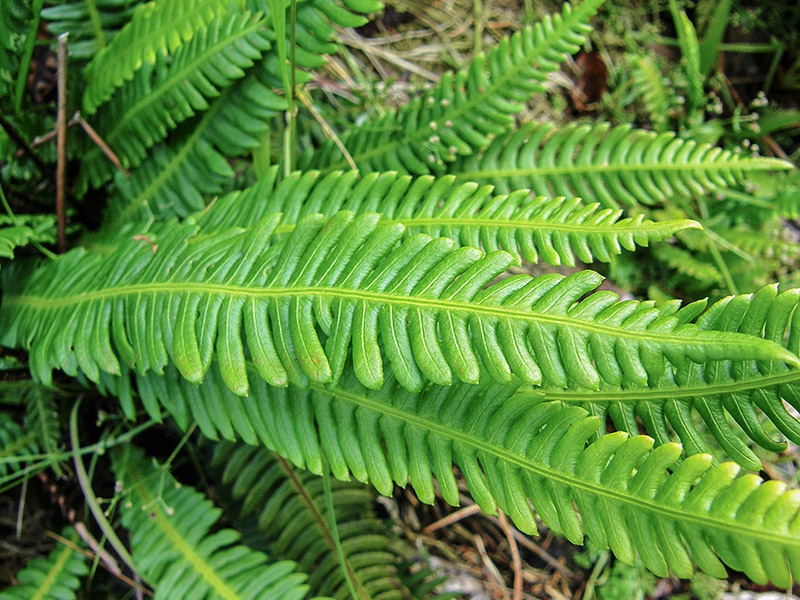
Spicant nymph
Blechnum spicant
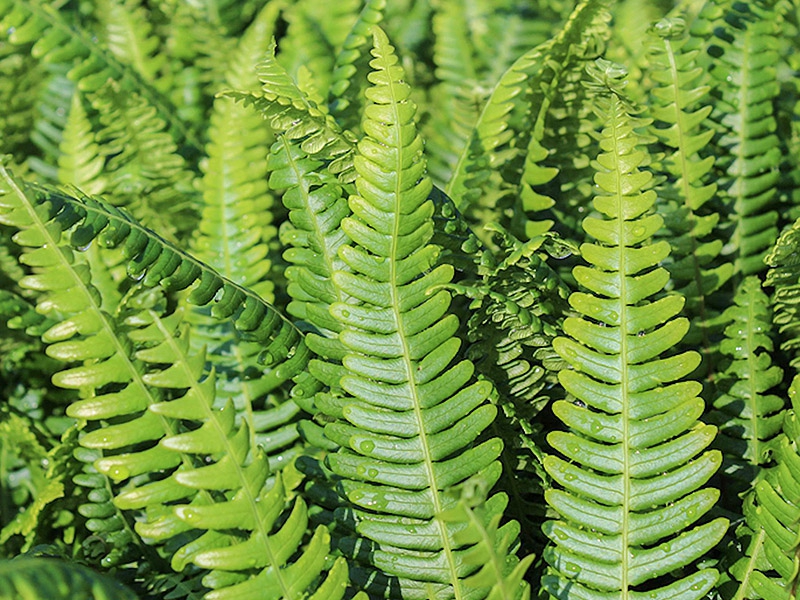
Spicant (Blechnum spicant) is a fern that thrives primarily in moist, shady environments. Let’s examine its growth characteristics, propagation methods, cultivation techniques, garden uses, and major pests and control methods. Growth Characteristics: Spicants prefer cool climates and grow best in moist soil. The leaves are dark green and grow in rosettes. They exhibit optimal growth in moderate shade, and direct sunlight should be avoided. Propagation Methods: They are primarily propagated by spores, a process that requires some time. To propagate, mature spores must be collected and germinated under appropriate conditions. Propagation by division is also an option, typically performed in spring or autumn. Cultivation Methods: - It is important to maintain well-drained soil and a high-humidity environment. - It grows best in partial shade; while sufficient moisture should be maintained, excessive watering should be avoided. 3. Neutral to slightly acidic soil pH is ideal. Garden Use: Spicants are suitable for landscaping in shady gardens, humid areas, or along garden edges. They harmonize with other ferns and add a natural touch to the garden. Important Pests and Control Methods: While spicants are relatively resistant to pests and diseases, root rot or leaf mold may occasionally occur due to excessive moisture or lack of ventilation. To prevent this, proper ventilation and drainage must be considered. Additionally, common pests include snails and slugs; regular garden cleaning and the installation of insect traps are effective methods for controlling them. Spicant snails thrive in shade and can be cultivated to be even more beautiful in the garden through consistent care and propagation.
Plant Type
Plant Family
family Lysimachia
Height
30~60cm
Spread
30~90cm
Colors
sporophyte
Bloom Period
March to August (spore period)
Water Needs
commonly
Exposure
semi-shaded area
Freezing Resistance
-10°C
Gibeumsaegit-ajebi
Blechnum gibbum
Blephilia Kiliata
Blephilia ciliata