English
한국어
English
Español
中文
हिंदी
Home
News
Community
Dictionary
English
한국어
English
Español
中文
हिंदी
View list
grown
Bletilla striata
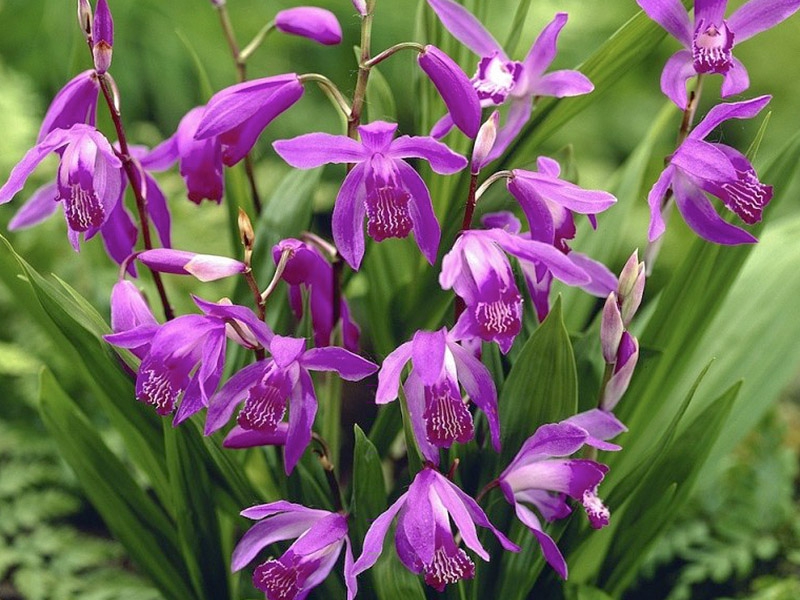
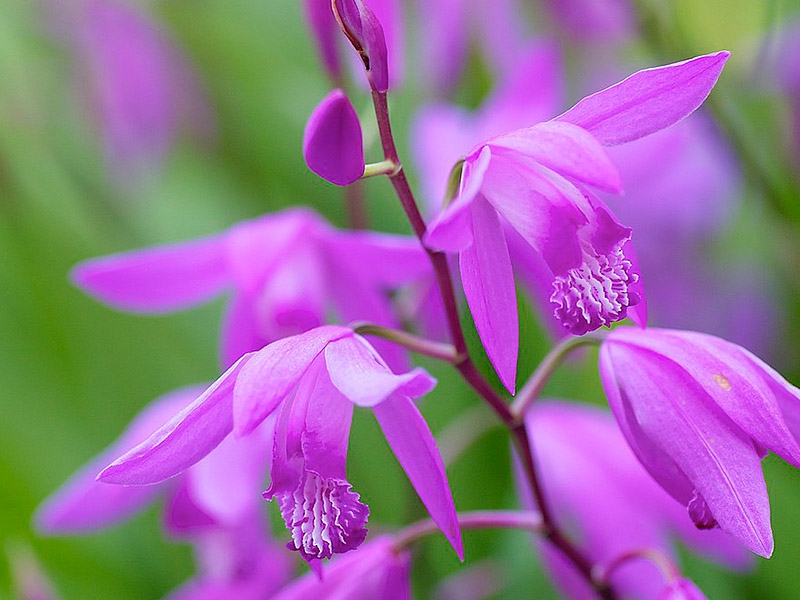
Bletilla striata is a perennial plant belonging to the Orchidaceae family, native primarily to East Asia. The following describes the growth characteristics, propagation methods, cultivation methods, garden uses, and major pests and diseases, as well as control methods for Bletilla striata. Growth Characteristics - Environment: Bletilla striata thrives in partial shade and prefers well-drained soil. It requires fertile soil with moderate moisture; however, excessive moisture can cause root rot. - Temperature: It grows well in warm temperatures but can tolerate moderate cold. It is advisable to provide an environment suitable for overwintering during the winter. Propagation Methods - Seed Propagation: In its natural state, it propagates by seeds, but propagation by seed is difficult. - Avegetative Propagation: Avegetative propagation methods are generally used. It can be propagated by dividing rhizomes in spring or autumn. Cultivation Methods - Soil Preparation: Prepare well-draining soil, and improve drainage by mixing in sand or perlite as needed. - Planting: Divide and plant rhizomes in spring or autumn. When planting, ensure the rhizome is fully established in the soil and compact the soil well. - Watering: Water consistently during the growing season, but avoid excessive watering. Reduce watering during the winter to prevent the roots from becoming waterlogged. Garden Uses - Zanran Striata is popular as an ornamental plant due to its showy flowers and unique shape. It can be planted along the edges of gardens or flower beds to add a focal point. It is best arranged to blend harmoniously with other plants. Important Pests and Control Methods - Patch Disease: Patch disease can occur in humid environments. Prevent it by improving drainage and ensuring proper ventilation. - Aphids and Snails: Aphids and snails can damage the plant's leaves and stems. If necessary, wash with soap and water or remove them by hand. In severe cases, use an appropriate insecticide. - Root Rot: You must be careful with watering, as root rot can occur due to overwatering. If you understand these characteristics and care methods well, you can grow a healthy Striata in your garden.
Plant Type
Plant Family
Orchid family
Height
40cm
Spread
Colors
purple, pink
Bloom Period
April~May
Water Needs
commonly
Exposure
semi-shaded area
Freezing Resistance
-15°C
Blephilia Kiliata
Blephilia ciliata
'Seed'
Bletilla striata 'Shi-Ran'