English
한국어
English
Español
中文
हिंदी
Home
News
Community
Dictionary
English
한국어
English
Español
中文
हिंदी
View list
Akinamu
Blighia sapida
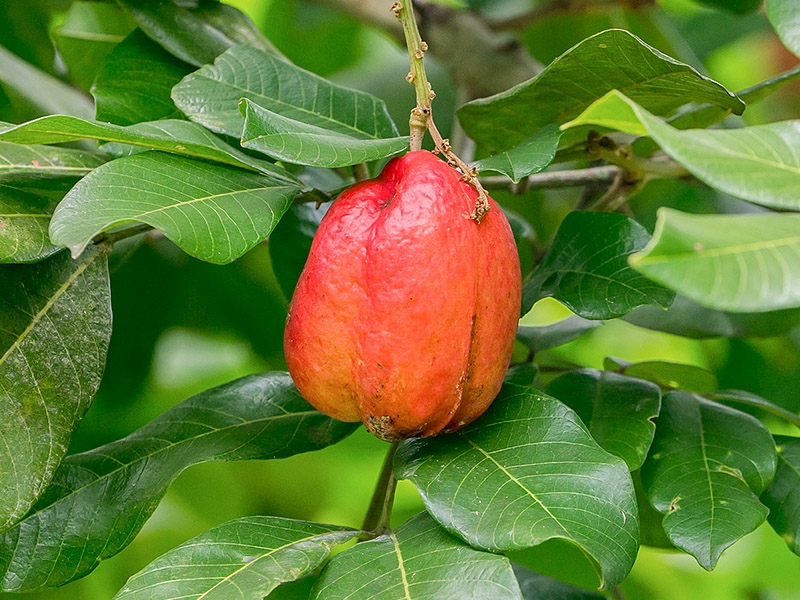
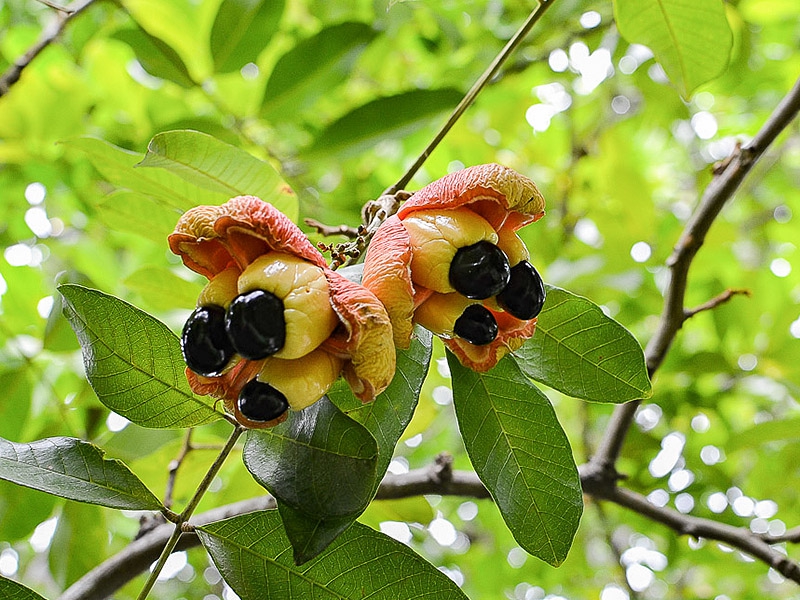
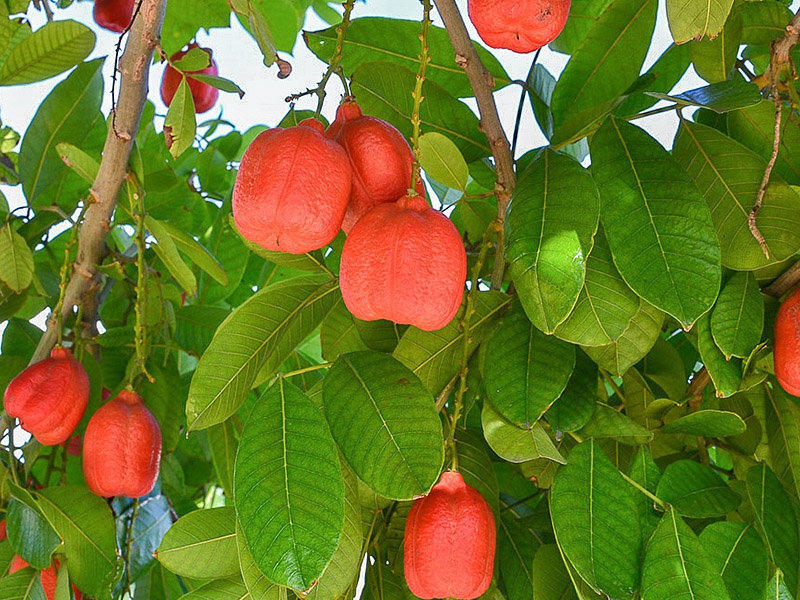
Blighia sapida is a tree primarily native to West Africa that thrives in tropical and subtropical climates. It can grow to a height of 10 to 20 meters; its flowers range from yellow to red, and its ripe fruit displays a distinctive red color. Growth Characteristics: Blighia sapida grows well in warm, humid climates and prefers fertile, well-drained soil. It thrives in sunny locations and is optimal in regions with an average annual temperature of 20 degrees Celsius or higher. Propagation Methods: This tree is primarily propagated by seeds. Seeds can be obtained from mature fruit, and soaking them in water for about a day before sowing can improve germination rates. Additionally, it is recommended to transplant seedlings after they have sufficiently established roots. Cultivation Methods: Blighia sapida is easy to cultivate under proper care. It is important to maintain well-drained soil, and sufficient watering is required during dry periods. Regular pruning helps maintain the tree's health and cultivate a beautiful tree shape. Uses in the Garden: This tree is popular as a garden tree because it provides shade and has beautiful fruit. It is particularly useful for decorating the landscape of tropical or subtropical style gardens. It can be a good choice if you want to grow a unique tree that others haven't seen. Important Pests and Control Methods: The Sapida arvensis can occasionally be susceptible to pests and diseases. Pests such as powdery mildew and aphids can be particularly problematic; to prevent this, regular observation and the use of fungicides and insecticides as necessary are required. Specifically, affected parts should be removed immediately, and the use of natural predators and natural pesticides should also be considered. Additionally, preventing excessive moisture can help prevent diseases such as root rot.
Plant Type
Plant Family
Sapindaceae
Height
7~25m
Spread
Colors
White, green
Bloom Period
May~June
Water Needs
commonly
Exposure
Sunny
Freezing Resistance
-3°C
Zaran Formosa
Bletilla formosana
Aenaphrodisiac balsamic
Blumea balsamifera