English
한국어
English
Español
中文
हिंदी
Home
News
Community
Dictionary
English
한국어
English
Español
中文
हिंदी
View list
Jommaejagi
Bolboschoenus planiculmis
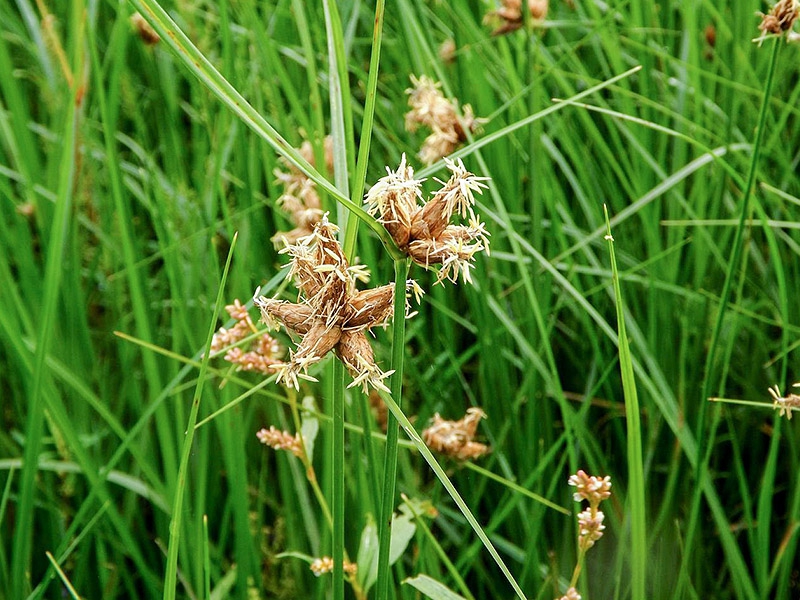
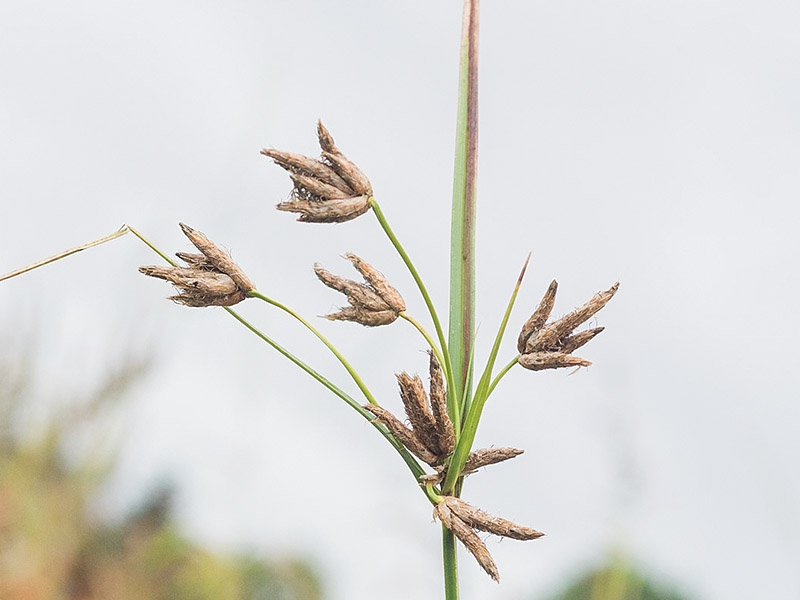
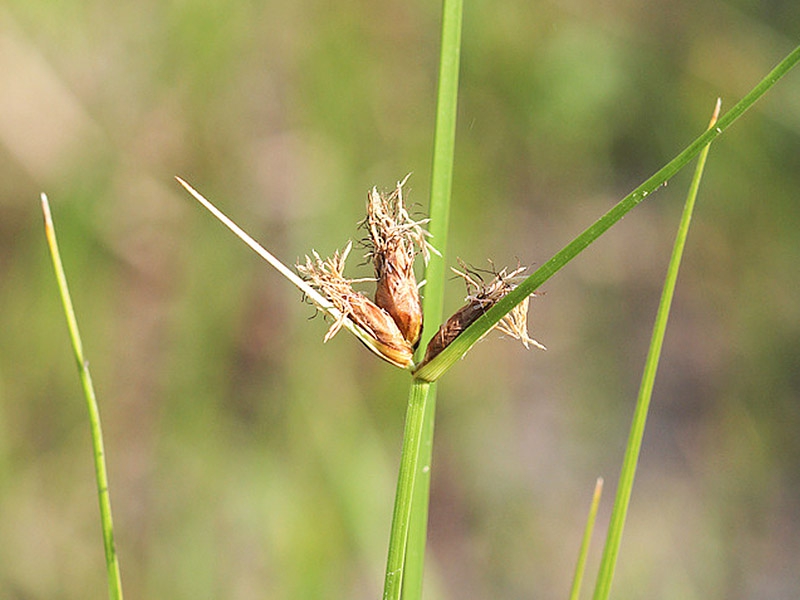
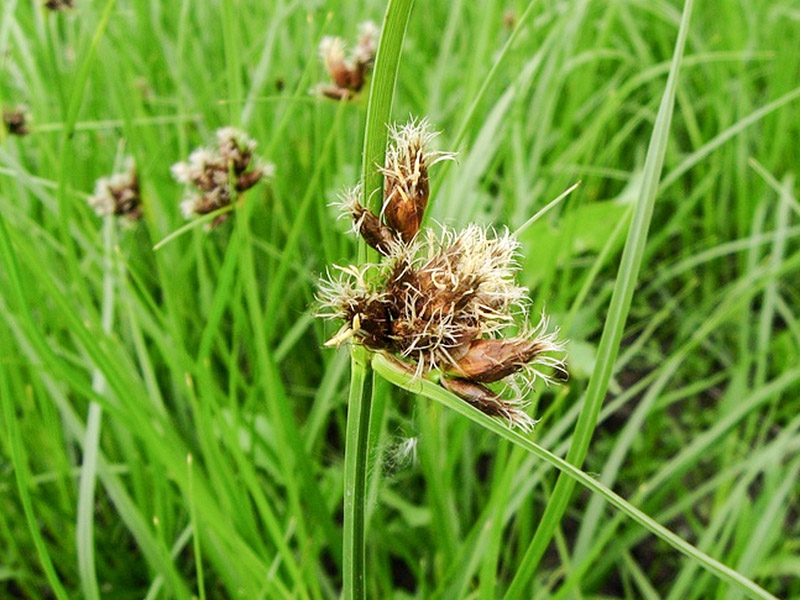
Bolboschoenus planiculmis is a perennial aquatic plant that grows in humid environments, such as wetlands in Korea. The following is information regarding the growth characteristics, propagation methods, cultivation methods, garden uses, and major pests and control methods of Bolboschoenus planiculmis. Growth Characteristics - Environmental Requirements: It thrives primarily in humid areas such as wetlands, lake edges, and rice paddies. It can grow underwater and prefers locations that receive ample sunlight. - Growth Pattern: Multiple stems grow from a rhizome, and the stems can reach lengths of approximately 0.5m to 1.5m. Propagation Methods - Seed Propagation: It can be propagated by harvesting seeds from fruits formed after flowering. Seeds usually germinate in early spring. - Vegetative Propagation: Propagation by dividing the rhizome is also possible. Simply cut the rhizome and plant it immediately. Cultivation Methods - Soil Preparation: Well-drained soil that retains water well is suitable. In general, it is important to maintain moist soil conditions. - Planting: You can plant rhizomes or seeds directly, and a steady water supply is required after planting. Uses in the Garden - Decorative Effect: It can be used as a decorative element at the edges of aquatic gardens or artificial ponds. The green stems and uniquely shaped flowers serve as a visual focal point. - Ecosystem Contribution: It has significant ecological value as it purifies water and attracts various aquatic organisms. Important Pests and Control Methods - Diseases: It is generally resistant to pests, but root rot can occur if the soil is excessively wet. Proper drainage management is important to prevent this. - Pests: Pest damage is generally minimal, but leaf beetles may occasionally occur. Upon early detection, they can be removed by hand, or environmentally friendly insecticides can be used if necessary. Based on this information, you can effectively manage and utilize Sorbus aucuparia. Proper water management and pest control are crucial for its care.
Plant Type
Plant Family
Cyperaceae
Height
40~100cm
Spread
Colors
white, brown
Bloom Period
May to July
Water Needs
commonly
Exposure
Sunny
Freezing Resistance
-30°C
hairy long-leaved ramie
Boehmeria hirtella
Large snail fluviatilis
Bolboschoenus fluviatilis