English
한국어
English
Español
中文
हिंदी
Home
News
Community
Dictionary
English
한국어
English
Español
中文
हिंदी
View list
Voltonia asteroides
Boltonia asteroides
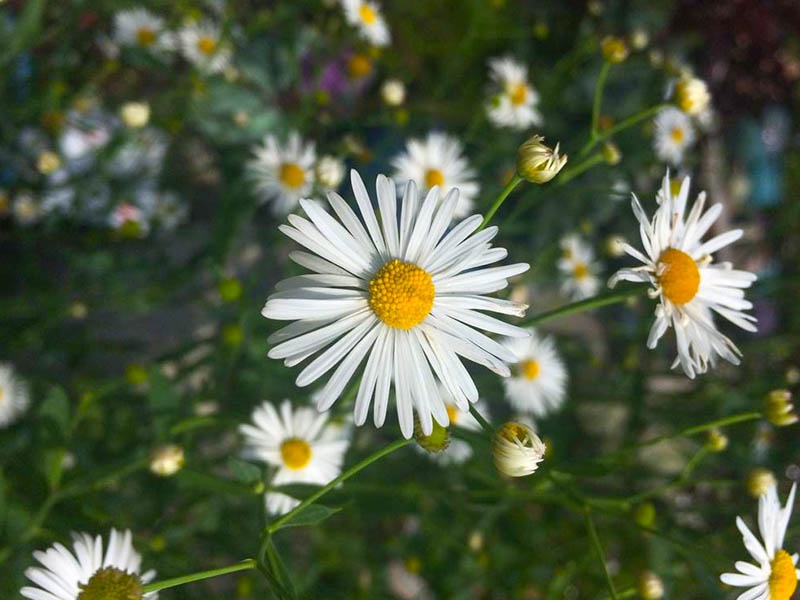
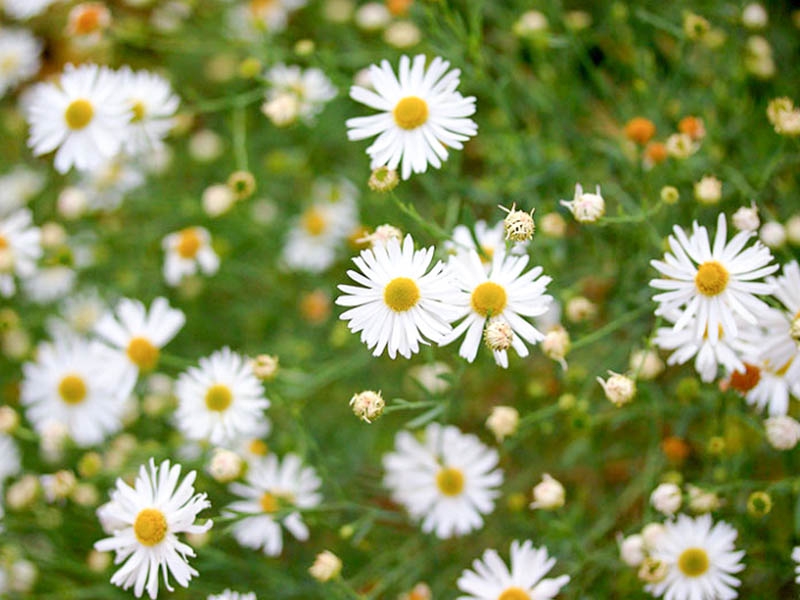
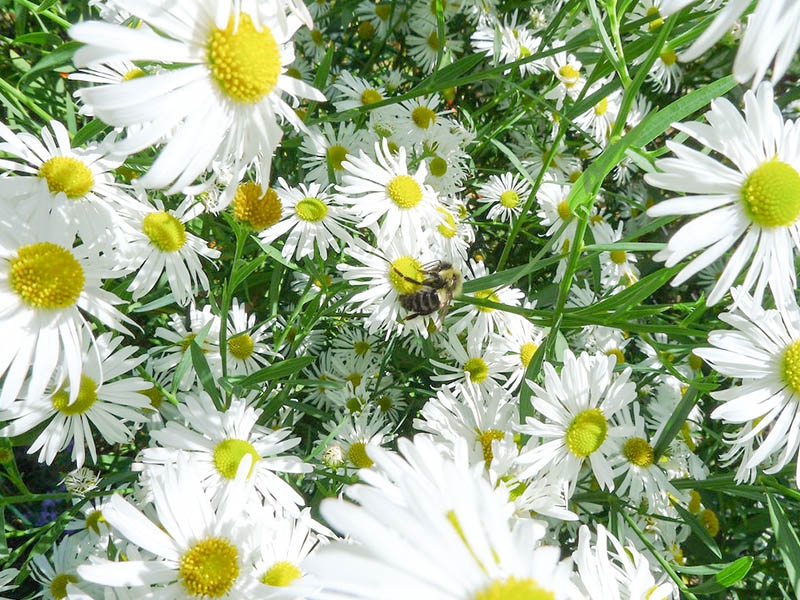
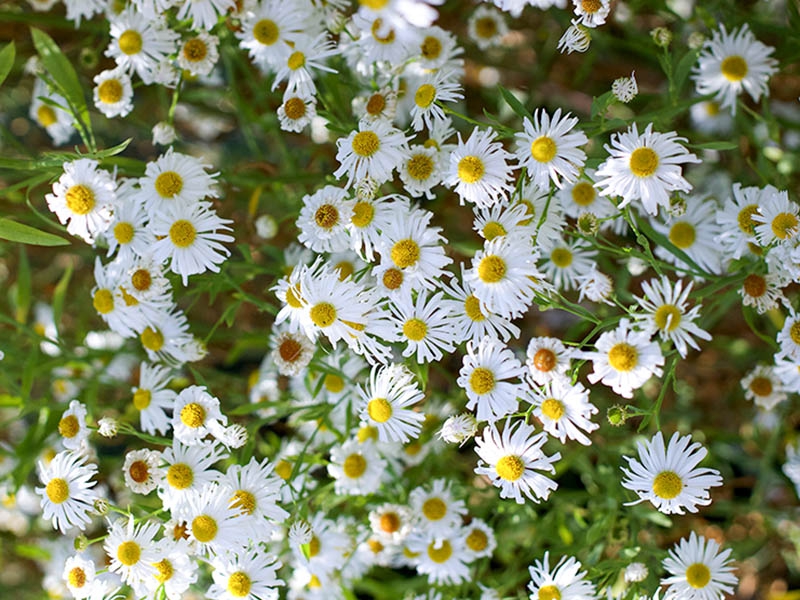
Growth Characteristics Voltonia asteroides (Voltonia) is a perennial herbaceous plant belonging to the Asteraceae family. It typically grows to a height of 1.2 to 1.5 meters and flowers from late summer to autumn. This plant thrives in sunny locations and prefers well-drained soil. It is highly adaptable to various climates and soil conditions. Propagation Methods Propagation is primarily done by seed and division. Seeds can be sown directly in spring or autumn, or seedlings can be grown indoors. Division involves separating root clumps in spring to grow new plants. Cultivation Methods - Soil Preparation: Prepare well-draining soil by adding organic matter. - Planting Time: Transplant or sow directly in spring or autumn. - Watering: Water with an appropriate amount and avoid overwatering. - Fertilization: Use slow-release fertilizer in spring or early summer. - Weeding: Remove weeds periodically to reduce competition. Uses in the Garden Voltonia is primarily used as a border plant or for backyard landscaping. Its moderate height and abundant blooms make it very useful for landscaping. It is also suitable for creating wildlife-friendly gardens. Important Pests and Control Methods Voltonia is relatively resistant to pests and diseases, but you need to pay attention to the following issues: - Diseases: - Fungal diseases: Fungal diseases can occur on the leaves during rainy weather. In this case, ensure good ventilation and use fungicides if necessary. - Pests: - Aphids and butterflies: Manage them through periodic observation and use pesticides if necessary. By following these steps, you can grow a healthy and beautiful Voltonia asteroides.
Plant Type
Plant Family
Asteraceae
Height
150~180cm
Spread
60~120cm
Colors
white
Bloom Period
July~August
Water Needs
commonly
Exposure
Sunny
Freezing Resistance
-30°C
Large snail fluviatilis
Bolboschoenus fluviatilis
Bombax Malabaricum
Bombax malabaricum